Community Corner
Safe Running Means More Than Stretching
Getting limber isn't the only precaution you should take when you run. Here are t ips on how to stay safe when running.
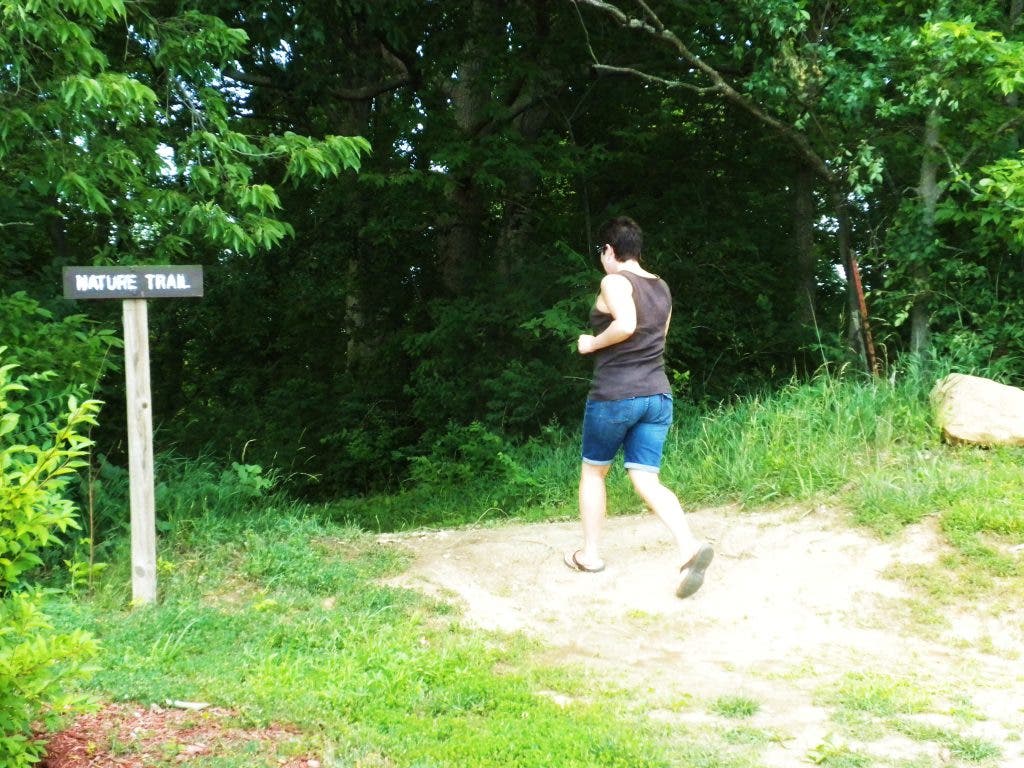
I am not a morning runner.
I cannot make my legs work when I first get up, and the whole run is a struggle. I want to eat breakfast, but I know if I do, I’ll feel sick when I run. But if I don’t eat, I’ll feel sick when I run. So I run in the evenings, usually at dusk when some of the day’s heat is finally backing down.
I have several routes I like to take, depending on the distance I want to run, and most of them take me through neighborhoods and along main roads. One, however, never fails to make me feel uneasy. Turning off a heavily traveled street, the road quickly becomes very rural. The houses are spaced farther apart, and there are more woods than manicured lawns. While it’s peaceful, it can quickly move into creepy territory when sunlight is fading fast.
Find out what's happening in St. Petersfor free with the latest updates from Patch.
It’s important to take safety precautions when you run or walk outdoors, especially at dawn or dusk, when the light is dim, and there are fewer people out.
Don’t run alone. If you can get a buddy to walk or run with you, you will not only have more motivation to go out and exercise, you will have a built-in deterrent for anyone who wishes to do you harm. There is safety in numbers. If you don’t have a regular workout companion, follow tip No. 2.
Find out what's happening in St. Petersfor free with the latest updates from Patch.
Run in public places. Run in areas where there are people always around. Parks are great in the mornings when parents usually bring their small children to play before the day gets too hot, or in the evenings when activity is high from soccer or lacrosse practices. Neighborhoods are good because they have sidewalks, and there is a constant stream of traffic going in and out.
Carry a cellphone. You may pull a muscle 2 miles from home, or you could see an accident or be involved in one yourself. In case something goes wrong, you will always be connected to someone who can help. Your cellphone can also pull double duty as an iPod. Download your favorite songs,strap it into an armband and you’re off. In case of an accident, a cellphone can also be used by someone else to phone for assistance if you can't. Another cool accessory is a Road ID bracelet. It can be engraved with your name and emergency contact information.
Don’t wear ear buds. I am aware this is in complete conflict with the last suggestion, however, if you find that you can’t run without music (and I can’t), turn your music down low enough until you can hear yourself breathe. Or pause the music completely when you approach or pass someone.
Be aware of what is around you at all times. on’t keep your head down and stare at the sidewalk when you run. Take note of who and what is around you. Look people in the eye when you pass them and say hello. Give parked cars a wide berth, about one or two arm lengths away.
Approach dogs carefully. Slow to a walk and don’t make eye contact. Walk until you’re a safe distance away and then begin running again.
Change your routes often. Don’t run the same loop every day, or even on certain days of the week. Be unpredictable and don’t make it easy for people to track your routes.
Always tell someone where you are going and when you expect to be back.
The most important thing about being safe is learning to trust your gut. If you get a bad feeling about a certain place, or about running down a trail, go back.
Always trust your instincts.