Schools
One-Fifth of Crestwood Elementary Students Study English As a Spoken Language
ELL teachers talk about students' transitions to classes where only English is spoken.
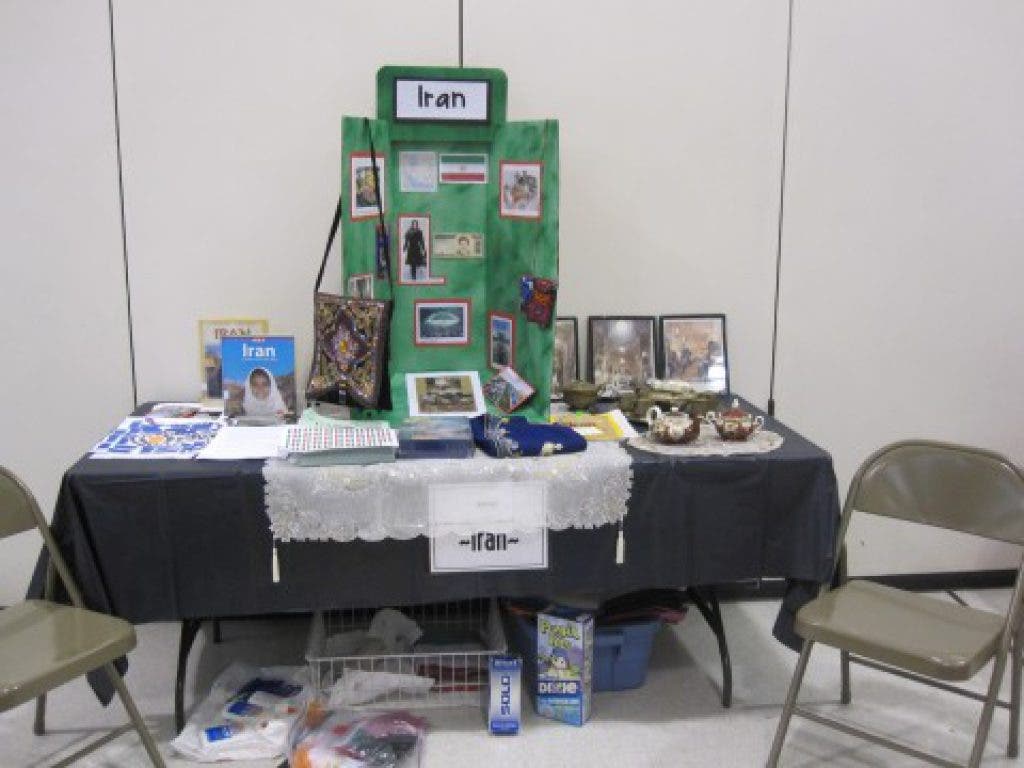


At Crestwood Elementary School, English Language Learner (ELL) students make up 20 percent of the student population. There are 57 ELL students out of a total of approximately 300 students.
An ELL student is one whose language at home is something other than English. These students may be totally non-English speakers or they may be fluent in social English but lack the academic language.
Here is how fifth-grader Doniyorbek Khasanov described his experience two years ago coming from Uzbekistan, when he joined the ELL program at :
Find out what's happening in Sunset Hills-Crestwoodfor free with the latest updates from Patch.
"I was nervous when I walked in to school. I was happy I was put into third grade instead of kindergarten. The kids were nice. It was good. They were treating me nicely. The kids taught me what to do and what not to do. The teachers were nice."
An ELL student’s transition differs depending on his or her level of English proficiency. Students who come directly from their home country and have never learned English are at a different point than those students who use English outside of the home but speak their home language with family. ELL classes include both.
Find out what's happening in Sunset Hills-Crestwoodfor free with the latest updates from Patch.
A student who is totally new to the country and speaks little or no English is first taught basic words such as “bathroom,” “drink,” “nurse,” “lunch,” and so forth, so that the student can communicate key needs.
“We also use a lot of pictures and hand gestures to communicate with each other,” according to Beth Birdwell, lead ELL teacher at Crestwood Elementary.
“Many—but not all—ELL parents at Crestwood are very involved in their child’s academic success. The general feeling of parents is the sheer gratitude they have for teachers and the U.S. education system,” Birdwell said.
Amina Grozdanic, a first-grader at Crestwood, had this to say about her life experience thus far:
"I was born here a long time ago, but then when I was two I moved to where my grandma and grandpa are in Bosnia. I (felt) proud I get to see my best cousins back in America, when I moved back. I have to teach my dad English. When he says everything he's supposed to in English, I give him a high five."
It is not uncommon for children know more English than their parents because of the children learning English in school.
“It can be awkward when I am trying to tell the parents something and their children are doing the interpreting of what I am saying. It can make the parents feel embarrassed that they do not know the language,” Birdwell said.
According to Birdwell, a common misconception is that because ELL students know the social language, they should be doing better with school work. But she explained that social language typically comes first more easily and academic language takes more time and study.
Birdwell said she encourages others to imagine what it might be like to go to a new school, in a new country, where the culture, food and customs are totally unfamiliar. Then, add on learning a new language and being surrounded by people who don’t understand what you are saying. Then, try to learn not only how to speak the language but also learn academic content at the same time.
“It’s overwhelming,” Birdwell said. “These kids need to first feel loved and welcomed by us, then we can try to teach them something.”
In order to qualify for ELL services, a student is screened using the state-mandated WIDA-ACCESS Placement Test. Parents have the final say as to whether their child will participate in ELL classes.