Community Corner
Aztec Tropical Fruit Salsa and More
Salsas are a great way to add flavor and moisture to foods without adding lots of fat and calories.
To make a chicken breast juicier, give a salmon more tang, or complete a Mexican dish—salsa is often the answer. Although salsa, by other names in other countries is similar, the variation that includes tomatoes, chilies and other spices or ingredients can be traced to the Ancient Aztecs, Mayans and Incas. In fact, the name "tomato" is derived from the Nahuatl word "tomatl," the language of the Aztecs. The tomato, as well as the chile pepper, were cultivated by the Mayans and Aztecs to create the beautiful fruits we have today.
Many different varieties of salsa can be found on the Mexican table at breakfast, lunch and dinner. Salsa can be blended, cooked and served hot for dishes such as enchiladas, or served as accompaniment at room temperature chunky and raw. The great thing about using salsa as opposed to a cream sauce or mayonnaise as a condiment, is salsa is low in fat, high in fiber and has many fresh veggies.
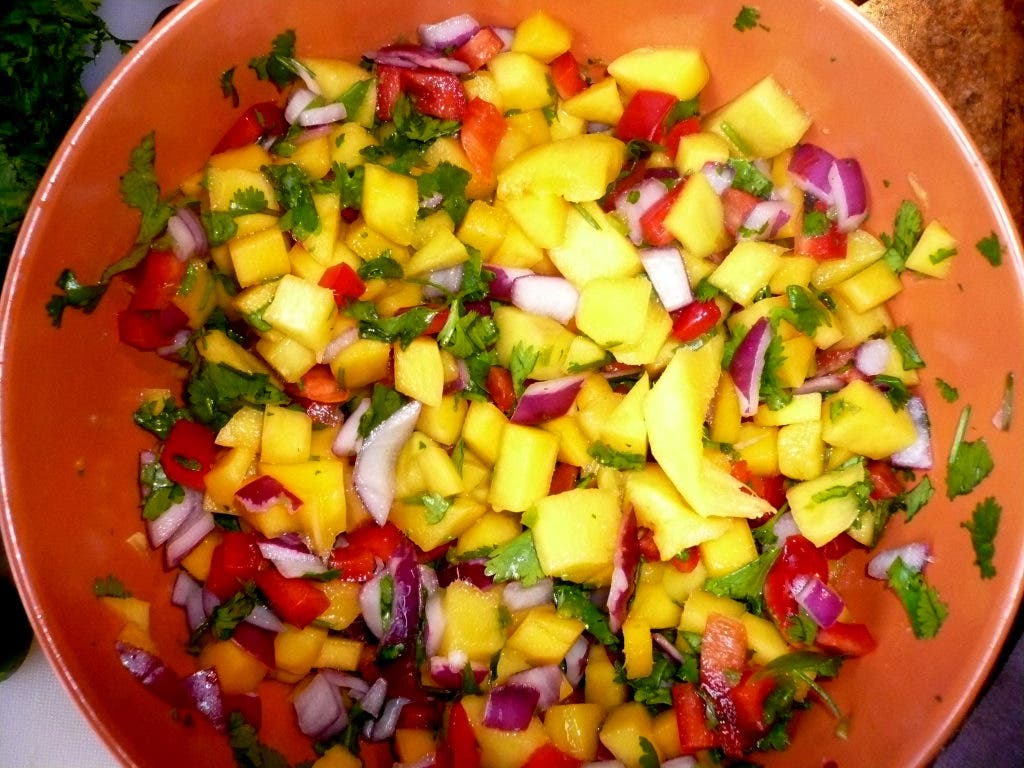
One of the most common salsas in Mexican cuisine is pico de gallo, made from diced tomatoes, minced onions, chili peppers, limes and cilantro. You can add fruits like mango or pineapple to make a tropical fruit salsa.
Find out what's happening in Town And Country-Manchesterfor free with the latest updates from Patch.
Tomatoes are in season, making it the perfect time to make pico de gallo. Walmart, La Morena Grocery Store, Schnucks and Dierbergs in Manchester and Whole Foods and Schnucks in Town and Country, have a variety of tomatoes as well as fresh cilantro, serranos and jalapeños to make a delicious pico de gallo. Mangoes are also available in these stores and are in season, making a great addition to pico de gallo.
Salsa verde or green salsa is another popular table addition in Mexico, made from tomatillos or husk tomatoes. Tomatillos are one of the indigenous ingredients in Mexican cuisine, a cuisine that has evolved to include Spanish foods that were brought there by the Spanish. Chili peppers were also indigenous to the Americas and combined with tomatoes to make early salsas by the Aztecs and Mayans. Mexican cuisine is one of the few hybridized cuisines (from the indigenous people and Spaniards) that has maintained culinary attributes from both cultures.
Find out what's happening in Town And Country-Manchesterfor free with the latest updates from Patch.
Pico de Gallo
Ingredients:
2 tomatoes, large and preferably beefsteak or heirloom, finely chopped
1 small onion, finely chopped
1 bunch cilantro, chopped (to taste)
2-3 chili peppers, seeded and finely chopped (to taste)
1 lime, juice of
Coarse salt and pepper (to taste)
Method:
- Combine all ingredients, cover and refrigerate for at least an hour.
Aztec Tropical Fruit Salsa
Ingredients: pico de gallo (recipe above)
2 mangoes, peeled and diced
1 tablespoon olive oil
1 tablespoon honey
Method:
- Add mangoes, olive oil and honey to pico de gallo recipe.
Great for use with oven-roasted salmon or sautéed chicken breasts.