Health & Fitness
How Much Added Sugar are we Consuming?
Added sugars are currently on the "hot seat" when it comes to healthy eating but are they the cause of the "obesity epidemic?"
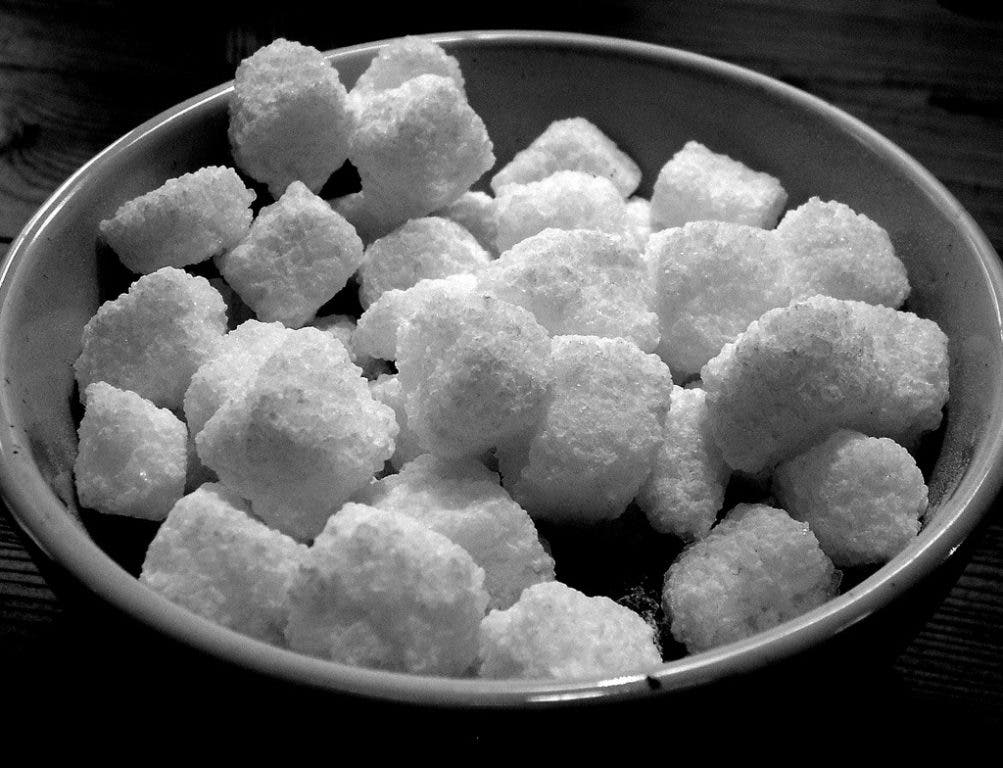
The topic of sugar is one of a great deal of interest in light of the continuing issue of obesity. A report from the Centers for Disease Control and Prevention, released earlier this month, looked at consumption data of added sugars among U.S. Adults for the years 2005 – 2010 and what they reported might surprise you.
The report found that approximately 13 percent of adults’ calories came from added sugars while the recommended intake is no more than 5 to 10 percent of calories. In addition, the report found that more of the calories from added sugars were coming from foods rather than from beverages and most of these calories were consumed at home.
Added sugars are defined as sugars used in the processing of foods such as breads, cakes, soft drinks, jams, chocolates, and ice cream as well as sugars eaten separately or at the table. Specific sugars include white sugar, brown sugar, raw sugar, corn syrup, corn syrup solids, high fructose corn syrup, malt syrup, maple syrup, pancake syrup, fructose sweetener, liquid fructose, honey, molasses, dextrose and dextrin.
Find out what's happening in University Cityfor free with the latest updates from Patch.
The overall findings showed differences within age groups, ethnicity and economics with the number of calories from added sugars declining with age and increased income. On average, men consumed more calories from added sugars than women, no matter what their age. At the same time the percent of calories from added sugars was higher in women than in men. Non-Hispanic black men and women consumed a higher percent of calories from added sugars than non-Hispanic white or Mexican-American men and women. The report also notes that for adults, one-third of calories from added sugars was from beverages where beverages were defined as milk, milk substitutes, fruit drinks, sodas, energy and sports drinks and sweetened bottled water.
The impact of this report is the clear recognition that on average calories from added sugars are exceeding those recommended in the 2010 Dietary Guidelines for Americans. If your added sugar intake – whether from foods or beverages is high – begin to find ways to reduce your intake and shift the calories from added sugars to healthier food choices.
Find out what's happening in University Cityfor free with the latest updates from Patch.
Connie Diekman, M.ED, RD, CSSD, LD
Nutrition Communications Consultant
Academy of Nutrition and Dietetics Past President