Politics & Government
'Cyanide Bombs': Feds, Advocates Reach Tentative Deal On Device
The traps drew scrutiny after reports that injuries to an Idaho boy came months after a decision to halt their use on federal lands.

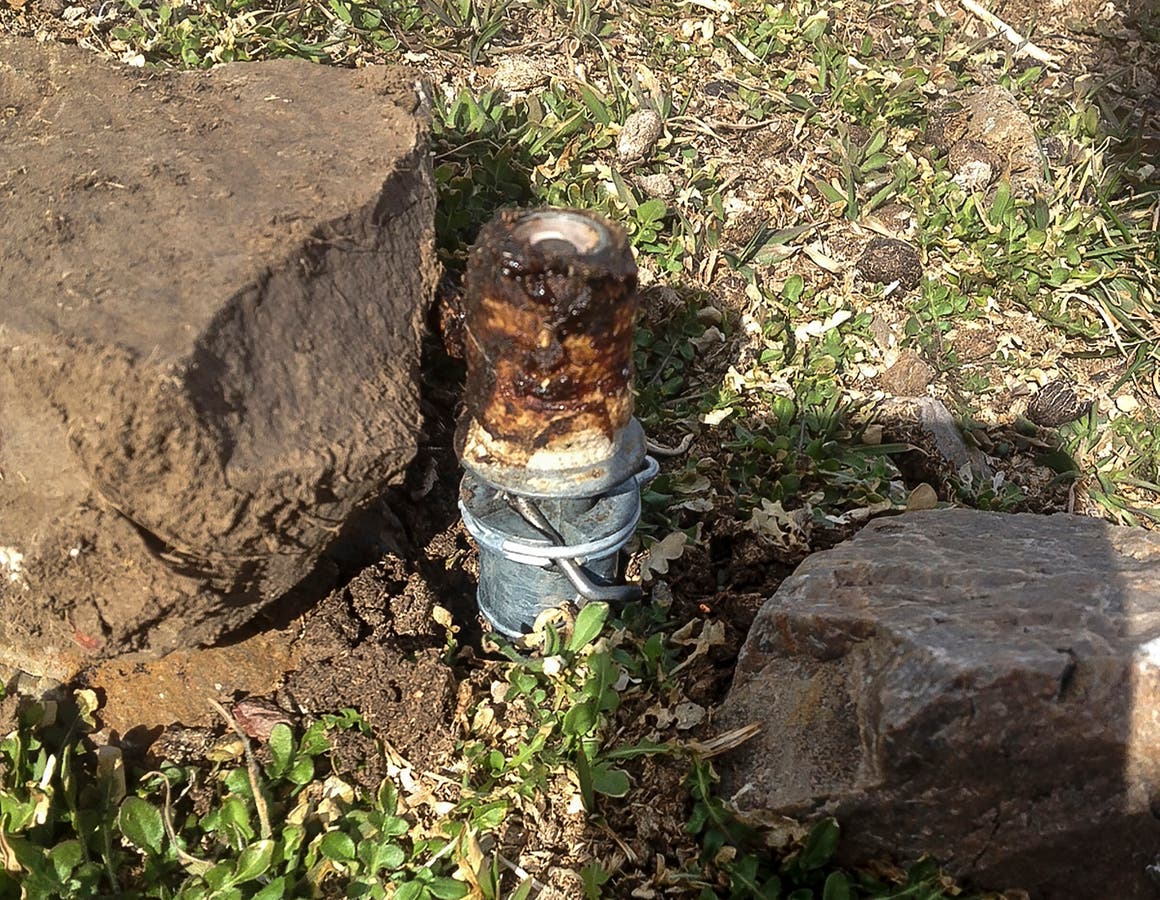
BILLINGS, MT — After a predator-killing trap known as a "cyanide bomb" injured an Idaho teenager and killed his dog, the federal government reached a tentative deal with wildlife advocates who are trying to stop the use of such devices, according to court documents filed Thursday. But what that agreement was remains a mystery.
Government attorneys asked U.S. District Judge Dana Christensen in Montana to suspend for 60 days a lawsuit over the poisoned traps pending final approval of the agreement by senior officials at the Interior Department. Terms were not disclosed.
One of the devices named in the lawsuit, called an M-44, is partially buried and baited to attract predators. It sprays cyanide into the mouths of animals that trigger it.
Find out what's happening in Across Montanafor free with the latest updates from Patch.
M-44s are intended to protect livestock but sometimes kill pets and injure people.
The traps drew increased scrutiny after The Associated Press reported that the injuries to the boy near Pocatello, Idaho, in March came months after a decision to halt use of the devices on federal lands in the state.
Find out what's happening in Across Montanafor free with the latest updates from Patch.
Another device at issue is a type of collar filled with pesticide and placed onto livestock so the pesticide will be ingested by attacking predators.
The Humane Society, WildEarth Guardians and two other groups filed suit over the devices in April. They say the traps kill thousands of predators every year — primarily coyotes but also foxes, raccoons, opossums and other animals.
The lawsuit said the Interior Department's Fish and Wildlife Service has not consulted with the Environmental Protection Agency on whether the poisons could harm federally protected species and their habitat.
Representatives of the U.S. Department of Justice, which is defending the case, and the Interior Department did not immediately respond to emailed messages from AP requesting comment.
Bethany Cotton with WildEarth Guardians declined to provide any specifics on the agreement. She said the goal was to stop the use of traps she described as "totally indiscriminate and incredibly dangerous."
In June, federal officials said they would undertake an expanded review of cyanide traps, which continue to be used in other states. They also issued guidelines requiring federal workers to notify nearby residents of the placement of M-44s.
By MATTHEW BROWN, Associated Press
Photo credit: Bannock County Sheriff's Office via AP