Politics & Government
Fur Trappers: Throw Out Anti-Fur Export Lawsuit
More than 30,000 bobcat pelts were exported in 2015. The pelts typically are used to make fur garments and accessories.

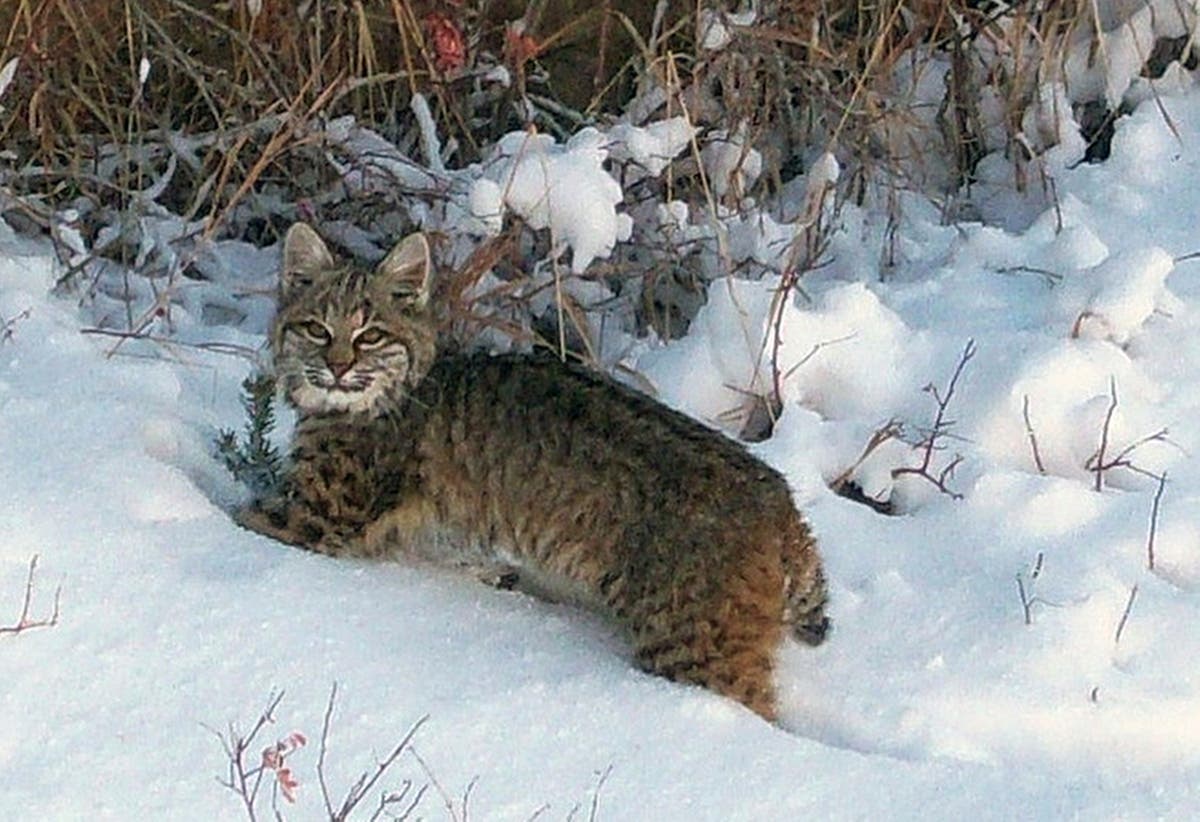
BILLINGS, MT — Fur trapping organizations say a lawsuit against the U.S. Fish and Wildlife Service seeking to block the exporting of bobcat pelts from the United States infringes on the authority of state and tribal governments to manage their wildlife. The government's export program doesn't protect against the accidental trapping of imperiled species including Canada lynx, the plaintiffs in the case said.
More than 30,000 bobcat pelts were exported in 2015, the most recent year for which data was available, according to wildlife officials. The pelts typically are used to make fur garments and accessories. Russia, China, Canada and Greece are top destinations, according to a trapping industry representative and government reports.
Federal officials in February concluded trapping bobcats and other animals did not have a significant impact on lynx populations.
Find out what's happening in Across Montanafor free with the latest updates from Patch.
The Fish and Wildlife Service regulates trade in animal and plant parts according to the Convention on International Trade in Endangered Species, or CITES, which the U.S. ratified in 1975.
The advocates' lawsuit would "do away with the CITES export program," according to attorneys for the Fur Information Council of America, Montana Trappers Association and National Trappers Association.
Find out what's happening in Across Montanafor free with the latest updates from Patch.
"They are seeking to interfere with the way the States and Tribes manage their wildlife, by forcing them to limit, if not eliminate, the harvesting of the Furbearers and at the very least restrict the means by which trapping is conducted," attorneys Ira Kasdan and Gary Leistico wrote in their motion to dismiss the case.
Bobcats are not considered an endangered species. But the international trade in their pelts is regulated because they are "look-alikes" for other wildlife populations that are protected under U.S. law.
Critics of the government export program argue the government review completed in February did not look closely enough at how many lynx trappers inadvertently catch in traps set for bobcats or other furbearing species.
Pete Frost, an attorney for the plaintiffs, said the fur industry's move to throw out the case "seeks to deprive citizens of their right to court review of the federal pelt export program."
Between 2.3 million and 3.6 million bobcats lived in the U.S., with populations that were stable or increasing in at least 40 states, according to a 2010 study from researchers at Cornell University and the University of Montana.
Photo credit: John Seals/ U.S. Fish and Wildlife Service via AP