Neighbor News
The tastiest mushrooms you can grow at home.
Growing mushrooms can be nutritious and delicious, as well as sustainable.

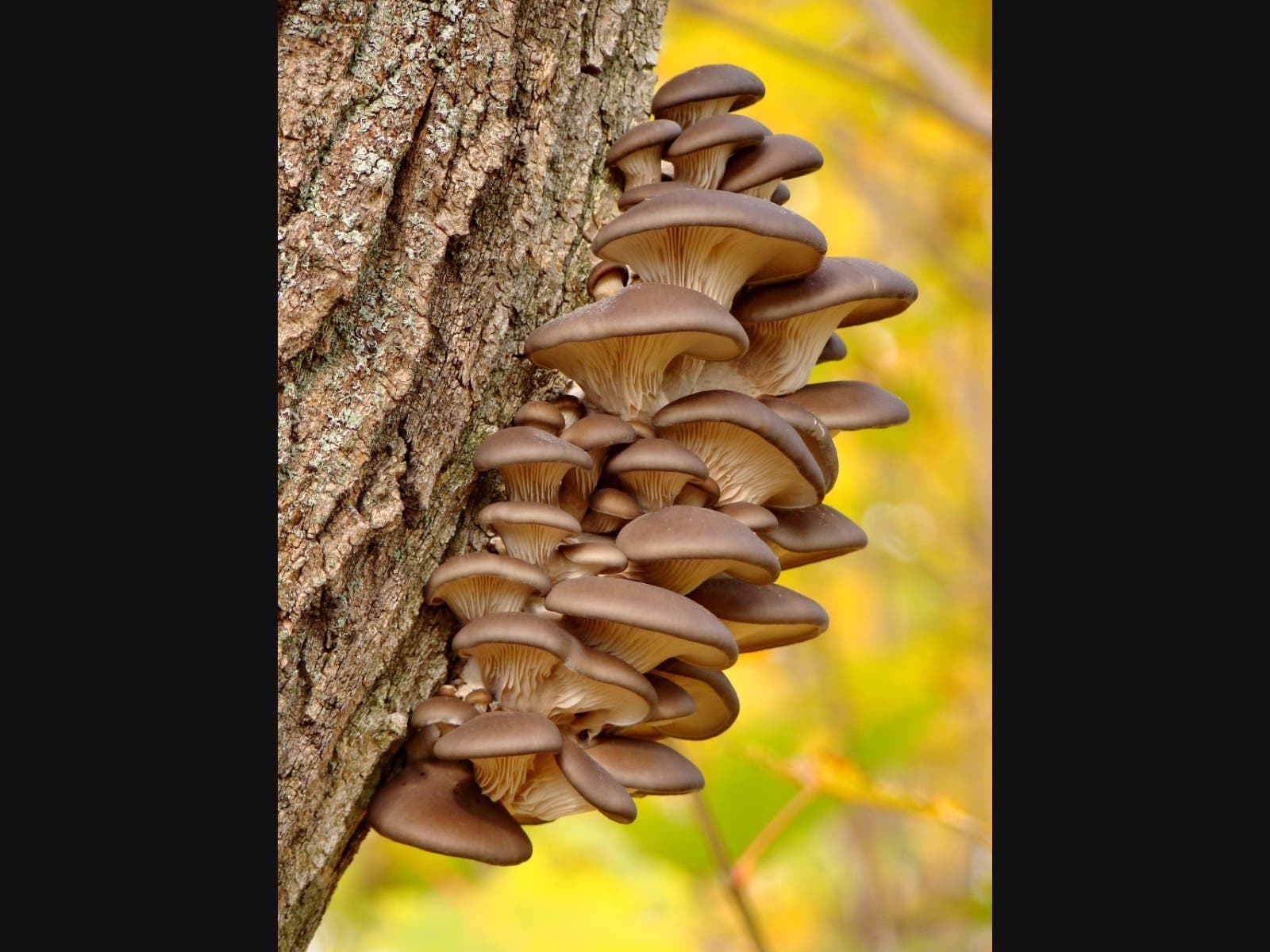
As someone who is passionate about sustainable and nutritious food, growing mushrooms at home has become one of my favorite hobbies. Not only are mushrooms a delicious addition to meals, but they are also packed with nutrients and can be grown in a sustainable and eco-friendly way.
Plus, with my obsession over Japanese food, growing mushrooms goes great with that due to all the Japanese cooking influences that use cultivated and homegrown mushrooms. For example, one of the most famous edible mushrooms is the "Japanese dancing mushroom", ie the Maitake Mushroom.
If you're interested in growing your own mushrooms at home, here are some of the tastiest varieties to try:
Find out what's happening in Omahafor free with the latest updates from Patch.
Shiitake Mushrooms - Shiitake mushrooms are a popular variety that are known for their meaty texture and umami flavor. They are a versatile mushroom that can be used in a variety of dishes, from stir-fries to soups to pasta dishes. Shiitake mushrooms are also a good source of protein, fiber, and a variety of important vitamins and minerals.
Oyster Mushrooms - Oyster mushrooms are another popular variety that are known for their delicate flavor and velvety texture. They are a great addition to salads, stir-fries, and pasta dishes, and can also be used to make mushroom-based sauces and gravies. Oyster mushrooms are a good source of protein, fiber, and a variety of important nutrients like B vitamins and potassium.
Find out what's happening in Omahafor free with the latest updates from Patch.
Portobello Mushrooms - Portobello mushrooms are a large, meaty variety that are often used as a vegetarian alternative to meat. They can be grilled, roasted, or sautéed and used in a variety of dishes, from burgers to pasta dishes to pizzas. Portobello mushrooms are also a good source of protein, fiber, and a variety of important nutrients like potassium and vitamin D.
Lion's Mane Mushrooms - Lion's mane mushrooms are a unique variety that are known for their fluffy, pom-pom-like appearance and their delicate, seafood-like flavor. They can be used in a variety of dishes, from soups to stir-fries to sushi rolls, and are particularly popular among vegetarians and vegans. Lion's mane mushrooms are also a good source of protein, fiber, and a variety of important nutrients like zinc and potassium.
Morel Mushrooms - Morel mushrooms are a wild variety that are highly prized for their rich, earthy flavor and meaty texture. They can be used in a variety of dishes, from pastas to soups to sauces, and are often considered a delicacy. Morel mushrooms are also a good source of protein, fiber, and a variety of important nutrients like iron and copper.
Maitake Mushrooms - Maitake mushrooms, also known as hen-of-the-woods, are a popular variety that are prized for their rich, earthy flavor and meaty texture. They are often used in soups, stews, and stir-fries, and are a popular ingredient in Japanese cuisine. Maitake mushrooms are also a good source of protein, fiber, and a variety of important nutrients like potassium and vitamin D.
Enoki Mushrooms - Enoki mushrooms are a delicate and flavorful variety that are often used in salads and soups. They have a mild, slightly sweet flavor and a crunchy texture, and are often used in Asian cuisine. Enoki mushrooms are also a good source of protein, fiber, and a variety of important nutrients like B vitamins and copper.
Cremini Mushrooms - Cremini mushrooms, also known as baby portobello mushrooms, are a smaller version of the popular portobello mushroom. They have a meaty texture and a rich, earthy flavor that is often described as nutty or savory. Cremini mushrooms are a versatile variety that can be used in a variety of dishes, from pizzas to pastas to soups. They are also a good source of protein, fiber, and a variety of important nutrients like potassium and selenium.
By growing these and other varieties of mushrooms at home, you can ensure that you're getting the freshest and most flavorful mushrooms possible. Plus, by avoiding the need to purchase mushrooms that have been shipped from faraway locations, you can reduce your carbon footprint and support local and sustainable food production.
To get started with growing your own mushrooms at home, all you need is a growing medium, a container, and some mushroom spores or spawn. With a little bit of patience and care, you can cultivate a delicious and nutritious source of food that is both sustainable and satisfying.
How to Start Growing Mushrooms at Home
There are tons of complicated laboratory-style steps involved in producing mushrooms from scratch if you want to produce them in bulk - but that's not the case for home growers. The easiest way is to start growing at home is to buy a mushroom growing kit or ready-to-fruit block from a reputable supplier. These kits come with everything you need to get started, including a growing medium, mushroom spores or spawn, and detailed instructions for how to set up and maintain your mushroom growing environment.
Here are some steps to follow to start growing mushrooms at home from a kit:
Choose your mushroom variety - Decide which variety of mushroom you want to grow. Consider factors like flavor, texture, and nutritional value, as well as how easy the variety is to grow. I suggest eating a bunch of mushrooms before you decide to grow some.
Purchase a growing kit or block - Once you've chosen your mushroom variety, purchase a growing kit or block from a reputable supplier. These kits are designed to make the growing process as easy and straightforward as possible, and will include everything you need to get started.
Prepare your growing space - Find a clean, well-ventilated space in your home where you can set up your mushroom growing environment. Make sure the area is free from drafts, direct sunlight, and other environmental factors that could impact the growth of your mushrooms.
Set up your growing kit or block - Follow the instructions provided with your growing kit or block to set up your growing environment. This will typically involve placing the kit or block in a container or bag, adding water, and sealing the container or bag to create a humid environment for the mushrooms to grow in.
Monitor and maintain your growing environment - Check your growing kit or block regularly to ensure that it is staying moist and that the mushrooms are growing properly. You may need to mist the kit or block with water or adjust the temperature and humidity levels to promote optimal growth.
Harvest and enjoy your mushrooms - Once your mushrooms have reached maturity, harvest them carefully and enjoy them in your favorite dishes. Remember to store any unused mushrooms properly to maintain their flavor and freshness.
Overall, growing mushrooms at home is a fun and rewarding hobby that can provide a delicious and nutritious addition to your meals. With so many tasty varieties to choose from, there's no better time to start exploring the wonderful world of mushroom cultivation. So why not join me in the world of mycologists and see what tasty creations you can come up with!