Neighbor News
How bad is Nevada's education problem?
Several studies show Nevada public schools are struggling to keep up with other states.

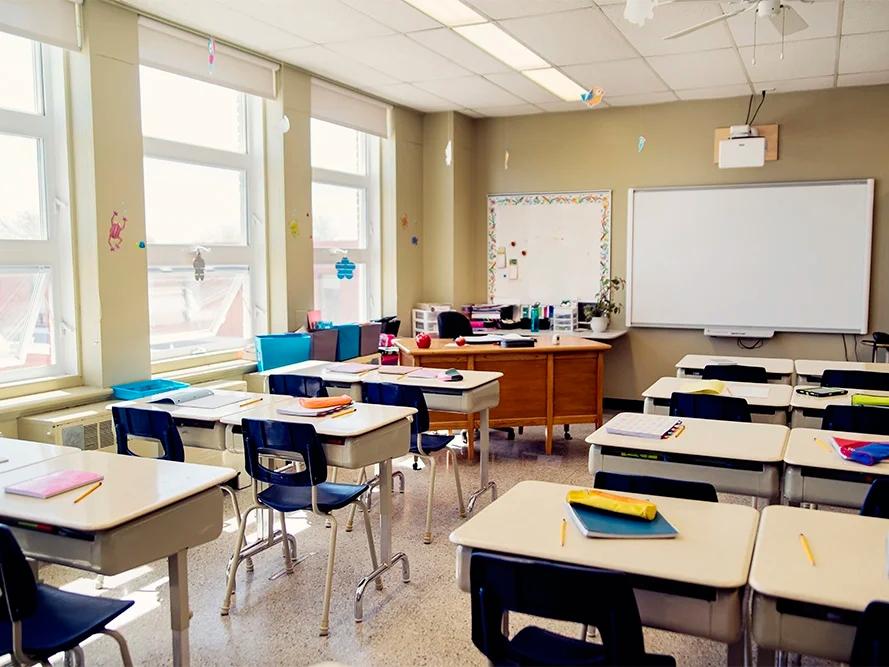
Nevada’s public education system is facing severe challenges that directly impact the well-being and academic success of its children. Despite years of state investment and various reform efforts, several studies, including this one, show that Nevada is near the bottom in national rankings for children’s well-being, particularly when it comes to education. This systemic struggle is marked by issues like overcrowded classrooms, teacher shortages, insufficient resources, and an overall disparity in access to quality education. Unfortunately, these problems are compounded by broader societal issues such as poverty, poor health outcomes, and a lack of access to essential services. As a result, Nevada’s children are disproportionately affected by a public education system that continues to struggle in meeting their needs.
Persistent Low Rankings for Child Well-Being
Nevada has consistently ranked poorly in national reports on children's well-being, a trend that is clearly reflected in the state’s educational outcomes. In 2023, the state once again found itself near the bottom of rankings that assess various factors of child health, economic stability, and educational quality. In particular, Nevada ranks in the bottom five states for overall child well-being, with significant gaps in areas such as poverty, education, and health.
The challenges in Nevada’s public education system cannot be attributed solely to low test scores or inadequate funding; they stem from a complex intersection of factors. One of the most pressing issues is the state’s ongoing struggle with teacher shortages. Teachers in Nevada are often underpaid, overworked, and faced with overcrowded classrooms, making it difficult for them to provide the individual attention that students need. According to the Nevada State Education Association, approximately 1 in 5 teacher positions in the state are left unfilled each year, creating a situation where students often find themselves without permanent or adequately trained teachers. This shortage has only worsened in recent years, leaving many students in overcrowded classrooms with minimal support.
Impact of Socioeconomic Inequality
Find out what's happening in Las Vegasfor free with the latest updates from Patch.
The socio-economic landscape of Nevada also plays a critical role in the educational struggles faced by the state's children. A large portion of the student population in Nevada comes from low-income families, where issues such as food insecurity, lack of stable housing, and limited access to healthcare are widespread. These factors can significantly affect a child’s ability to succeed academically. Students living in poverty often face additional hurdles, such as limited access to tutoring, extracurricular activities, and even basic school supplies.
Moreover, Nevada’s high levels of child poverty continue to exacerbate these issues. According to a report by the Annie E. Casey Foundation, more than one in four children in Nevada live in poverty, which places them at greater risk for academic failure and poor health outcomes. Children in these circumstances are more likely to face absenteeism, emotional and behavioral challenges, and difficulty concentrating in school—all of which contribute to lower academic performance.
Overcrowded Classrooms and Resource Shortages
Find out what's happening in Las Vegasfor free with the latest updates from Patch.
Another ongoing issue in Nevada’s public schools is overcrowded classrooms, a direct result of both insufficient funding and the state’s growing population. Another study shows that Nevada has the most entry-level job openings for teachers nationwide in large part because the state is failing to pay teachers their needed wages. Many Nevada schools operate at or above their maximum capacity, making it difficult for teachers to manage their classrooms effectively. This lack of space and resources forces teachers to divide their attention among too many students, making it harder for them to provide personalized learning experiences or address individual academic needs.
Schools in economically disadvantaged areas tend to face the most severe overcrowding, which further deepens the disparity between wealthier districts and those with a higher percentage of low-income students. Moreover, even when funding is available, it is often not distributed equitably across the state, leaving certain schools struggling to meet the basic needs of their students.
A Call for Reform
Nevada’s struggle with public education and the well-being of its children requires urgent attention. While the state has made some strides in addressing issues like funding and teacher recruitment, much more is needed to tackle the root causes of the education crisis. This includes greater investment in public schools, with an emphasis on improving resources for underserved communities, supporting mental health services, and addressing teacher shortages. Additionally, addressing the broader socio-economic challenges that affect children’s readiness to learn is crucial for creating a system that works for every student, not just those who have the privilege of attending well-funded schools.
To reverse the trend of poor rankings in children’s well-being, Nevada must prioritize comprehensive, long-term solutions that address both educational inequities and the social challenges that hinder academic success. Only through systemic reforms, increased funding, and a commitment to equity can Nevada begin to address the gaps in its public education system and ensure that every child has the opportunity to succeed.