Politics & Government
New Hampshire House Approves Raft Fee For Cyanobacteria Mitigation
HB 1477 establishes a $50 registration fee for anchored floats, rafts, and inflatables on public waters. It is expected to raise $1.4M.

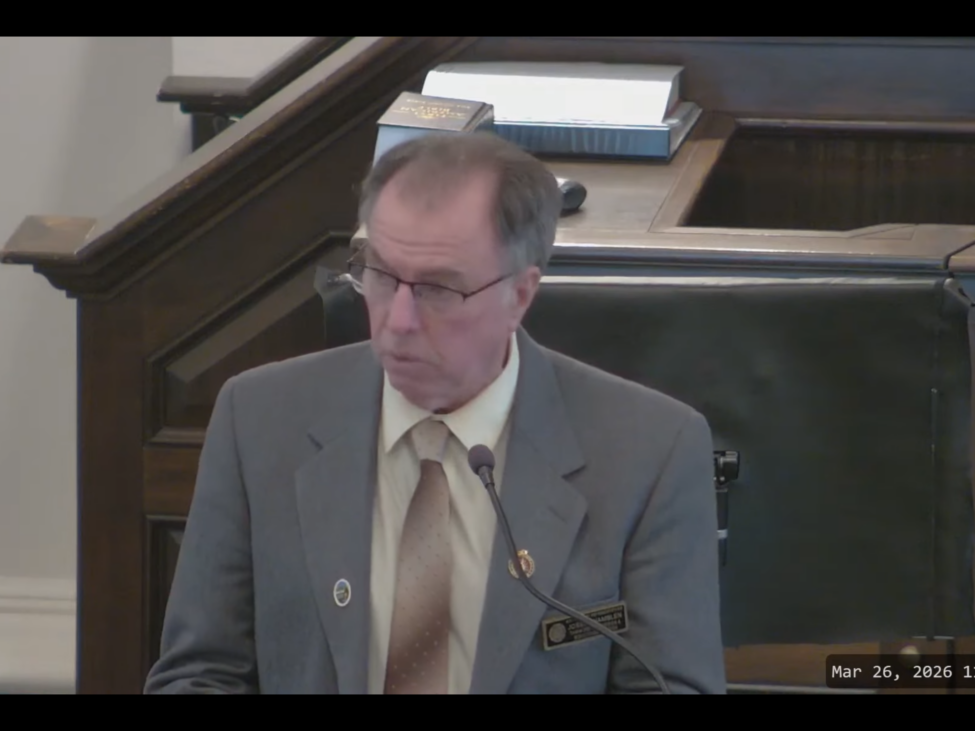
CONCORD, NH — The House overrode its finance committee Thursday to establish a funding source for cyanobacteria mitigation in the state’s lakes.
House Bill 1477 establishes a $50 registration fee for anchored floats, rafts, and inflatables on public waters that is anticipated to raise about $1.4 million, with about $650,000 earmarked for the cyanobacteria mitigation grant fund established two years ago with $1 million.
Find out what's happening in Across New Hampshirefor free with the latest updates from Patch.
Currently the fund has about $200,000.
The money would be split between the navigation safety fund and the cyanobacteria mitigation and grant fund.
Find out what's happening in Across New Hampshirefor free with the latest updates from Patch.
The $50 fee is the same as that charged for a mooring in state waters.
The majority of the House Finance Committee recommended the bill be killed after it had passed the House unanimously earlier on the Consent Calendar.
The Marine Patrol would be responsible for collecting and enforcing the new fee, and opponents said that is unworkable and would add pressure to their already busy schedules during the summer season, although it would be for a worthy cause.
Rep. Gerald Griffin, R-Mont Vernon, said while it is a worthy cause it is impossible to enforce and collect and the bill does not add the additional positions the Marine Patrol would need for the program.
Griffin noted some of the rafts are only used on weekends or for short periods of time and there is no way to inform every raft or float owner of the new fee.
Ironically he said, the tax is on rafts, which block the sun that helps generate cyanobacteria blooms.
But Rep. Joseph Hamblen, R-Moultonborough, said the state’s public waters are its most valuable asset and reasonable funding is needed to mitigate the blooms.
He said the assessment is not a tax, but a user fee just like the mooring fee for having private property on the state’s water bodies.
The House failed to kill the bill on a 172-180 vote before it was approved on a voice vote.
The bill now goes to the Senate for action.
Garry Rayno may be reached at garry.rayno@yahoo.com.
This article first appeared on InDepthNH.org and is republished here under a Creative Commons license.