Weather
Wildfire Smoke, Haze Return To New Hampshire: What To Know
Winds were expected to blow some from the Canadian wildfires back into the Northeast on Monday, according to the National Weather Service.


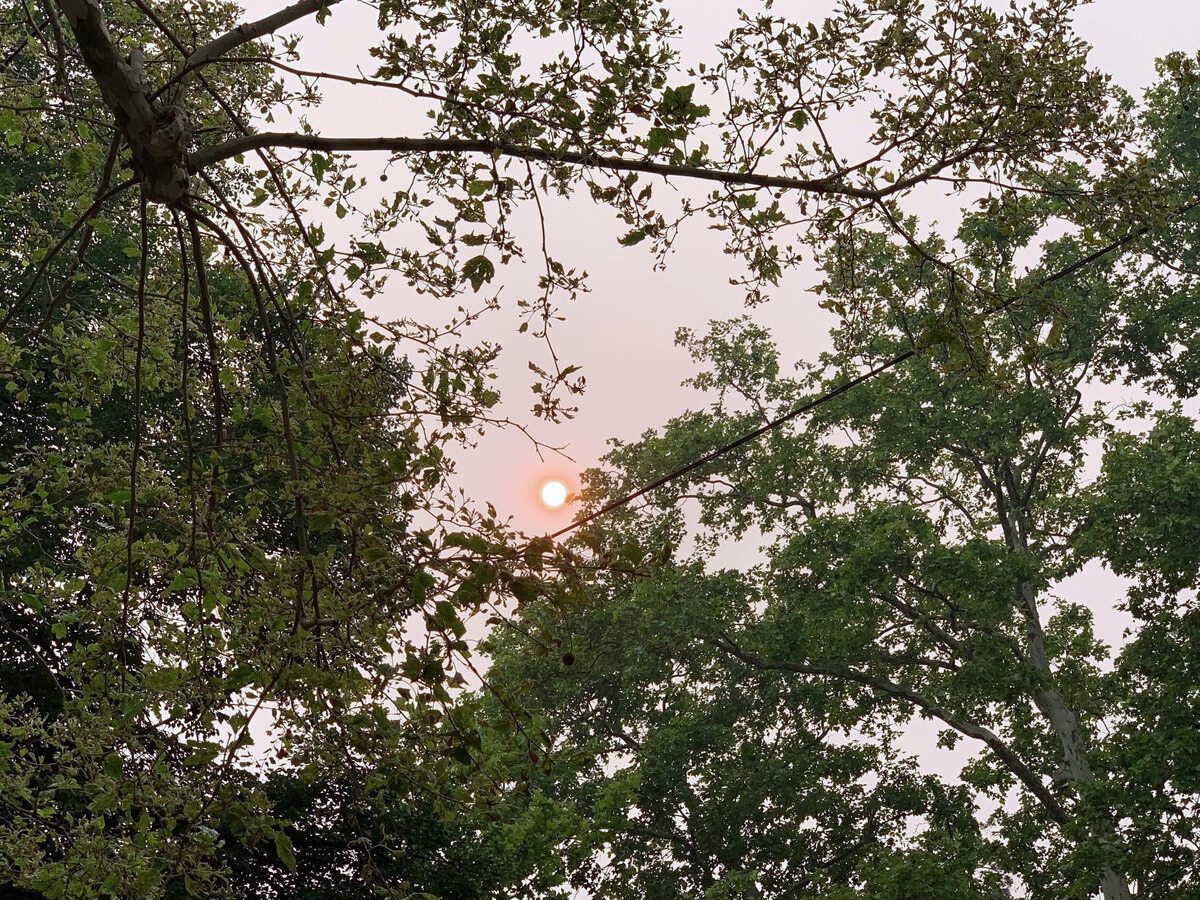
NEW HAMPSHIRE — Smoke and haze from Canada’s long-burning wildfires are prompting a new round of air quality alerts in New Hampshire and elsewhere in North America.
Winds were expected to blow some from the Canadian wildfires back into the Northeast on Monday, resulting in some haze, according to the National Weather Service.
The air quality index in Concord, New Hampshire Monday afternoon was logged at around 20, which is within the low-risk range, according to airnow.gov. On Sunday, the air quality index reached nearly 70, which falls into the moderate range.
Find out what's happening in Across New Hampshirefor free with the latest updates from Patch.
Smoke and haze weren’t expected to obscure city skylines, as they did in June, but even moderate air quality can be unhealthy for some individuals.
Back in June, smoke from Canadian wildfires caused air pollution warnings in most of the state as noticeable haze and scents of a campfire lingered for several days.
Find out what's happening in Across New Hampshirefor free with the latest updates from Patch.
Early Monday, the worst air quality in the country was just off the East Coast, according to a visualization of the airnow.gov data by The New York Times. Most coastal areas from Florida to the Northeast had moderate air quality.
The Canada wildfire season started early this year, and above-average wildfire activity is expected to continue through October in some places. The United States has seen very little wildfire activity this year, although the potential for wildfires through October is above average in parts of the Pacific Northwest, Minnesota and Wisconsin, and some Mid-Atlantic states.
Get more local news delivered straight to your inbox. Sign up for free Patch newsletters and alerts.