Health & Fitness
Finding, Making and Eating Real Food in Amherst (EGGS)
April brings to mind Easter eggs and baby chicks. If you're craving fresh eggs, there is no easier way to put real food on the table than to have a small backyard flock of laying hens.
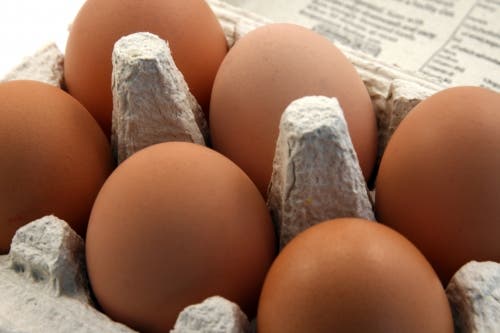
The Easter season certainly brings to mind EGGS! And there is no better and easier way to start producing food for your own table than a few laying hens in the backyard. Chickens are an amazingly easy animal to keep, so it’s no wonder people around the globe have been keeping family flocks for hundreds of years.
If you’ve never had a free-range chicken egg, you’re really missing out. They are definitely different. The yolk has a much more orange hue, especially in the summer months, and the white is firm and stands tall. The bright orange color comes from the insects foraged by free-ranging chickens and certainly makes more flavorful egg.
Note that “free-range” does not mean the chickens literally have the run of the yard. Responsible chicken owners protect their hens from marauding predictors such as fox, coyote, hawks and the neighbor’s dog, by keeping them in a protected and enclosed fenced area. Eggs labeled “free range” just means they come from chickens that have access to the outside at some point during the day. (as opposed to the term “cage free” which simply means they live inside, in larger cages where they can spread their wings)
Find out what's happening in Amherstfor free with the latest updates from Patch.
If you want your own backyard flock, 1 to 2 hens per person in your family will supply all the eggs you need. So for a family of four, a flock of 6 - 8 hens will supply plenty of eggs. And no, you don’t need a rooster. Hens lay whether there is a rooster around or not.
Chickens will live in just about any type of housing - a small shed or large doghouse works well. In New England, large-bodied breeds such as the Rhode Island Red or the New Hampshire Red do well in our winters. They prefer a smaller house so they can “snuggle” on cold winter days. A simple dish tub from the dollar store makes a good water dish. They love table scraps supplemented with commercial layer pellets and a few nesting boxes of straw. Just make sure they can be tucked away tight at night when the fishers and fox roam.
Find out what's happening in Amherstfor free with the latest updates from Patch.
If you are looking for chickens, my recommendation is to buy new chicks or young pullets from a local store such as Blue Seal or Tractor Supply in Milford, which carry them this time of year. Or you can get them anytime through an online supplier such as Murray McMurray hatchery. (http://www.mcmurrayhatchery.com) Avoid buying chickens from existing flocks in someone’s yard, or you could be bringing home disease. And ALWAYS wash your hands after handling chickens or their eggs - salmonella is a serious bacteria, especially for young children. At our house, anyone coming in from the hen house has to wash his or her hands immediately.
If you prefer to let someone else house the chickens, there are several homes in Amherst that, like us, sell their surplus free-range chicken eggs. I’ve seen signs out on Boston Post Road, at Frog Hollow Farm, and on Stearns Road. Earthward on 101A frequently carries them as does Lull Farm in Hollis. Prices around Amherst range from $2.75 to $4.00 a dozen.
In the next issue, I’ll answer the two most frequently asked questions: What is the difference between white and brown eggs, and why do some hard boiled eggs peel easy and some don’t. Until then, happy eating…..
Kathie Nunley is an Amherst resident who feeds her family on their 2 acres (www.NHHoney.com)