Health & Fitness
REAL FOOD in AMHERST: Honeybees
This week's topic is honeybees and how you can use them to increase food production in your backyard garden.
I hate to expose my age here, but when I was a young child, the lawns were filled with honeybees foraging on the clovers. I can still hear my grandmother fussing, “Put shoes on if you go outside, as the lawn is full of bees.” If you are at least 40 years old, you remember what the world looked like with wild honeybees.
Unfortunately due to pesticides, mites and other hazards, the wild honeybee population in this country is nearly extinct. Estimates are a 90% decline. So, the only honeybees outside today are those that are cultivated in backyard hives.
If you are growing a vegetable garden, you may not want to bank on a close neighbor having a hive - better to have your own. (though honeybees will forage in up to a 5-mile radius). You can easily set a standard hive somewhere in your yard and have your own frenzy of honeybees to work your garden. Anyone who has ever seen the amount of fruit we get on our backyard garden plants will attest - there is no better way increase your garden’s production than a hive of honeybees. With about 50,000 bees per hive, that’s a lot of pollinators!
Find out what's happening in Amherstfor free with the latest updates from Patch.
You can order a standard hive from online vendors and then buy bees locally to put in it. A 3-pound package of bees (yes, bees are sold by the pound) costs around $85. Or you can purchase a “nuc” which is a small nucleus hive of bees that comes complete - hive, frames, queen, bees, larvae, food, etc. The price on a nuc is usually around $120. Not a bad investment, considering the time and effort you put into your garden. B-Line apiaries in Hudson offers both packages of bees and nucs each spring. You could also contact this area’s beekeeping association, The Merrimack Valley Beekeepers (http://mvbee.org/) for information on purchasing bees, honey, or classes on beekeeping.
While there is only one species of honeybee, they come in about 7 different breeds, only 3 of which are common to our area of New Hampshire - Italian, Russian, and Carniolan. The breeds have been designed by universities and research institutions to be somewhat resistant to mites and disease. My family's personal experience has been that Russians produce the most honey but can be aggressive. Carniolans produce the least amount of honey, but are quite tame and not at all aggressive. Italians are somewhere in the middle, and are generally the easiest to come by.
Find out what's happening in Amherstfor free with the latest updates from Patch.
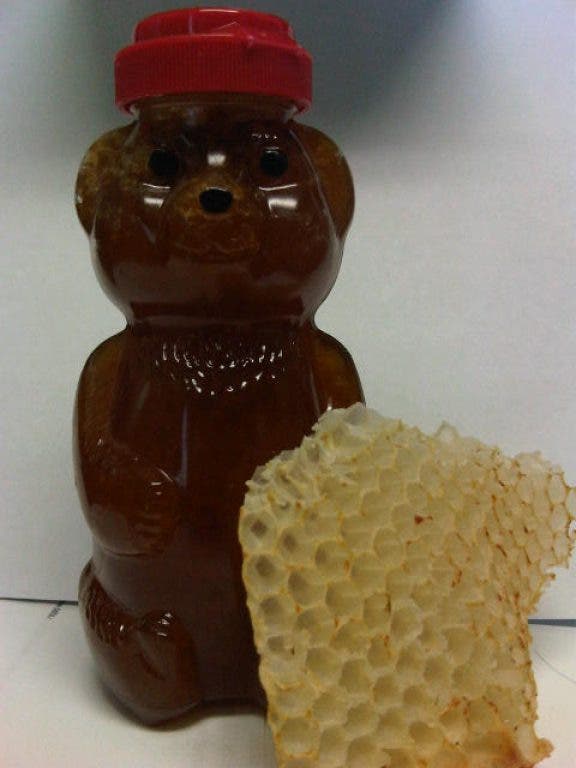
Of course, pollination is just one benefit of having honeybees. Honey, pollen, beeswax and propolis can all be harvested from the hive each year. But we’ll save those ideas for next week (and I’ll give you a recipe for making a great ant-itch potion for insect bites using propolis and cheap vodka). Feel free to post questions or contact me through our family website: NHHoney.com
Kathie Nunley is an Amherst resident who feeds her family on their 2 acres