Health & Fitness
YOGURT - Simple, Delicious and Nutritious
Yogurt (Greek or regular) is one of the easiest dairy products to make at home - no special equipment needed. It is delicious, nutritious and can be enjoyed by everyone, young and old.
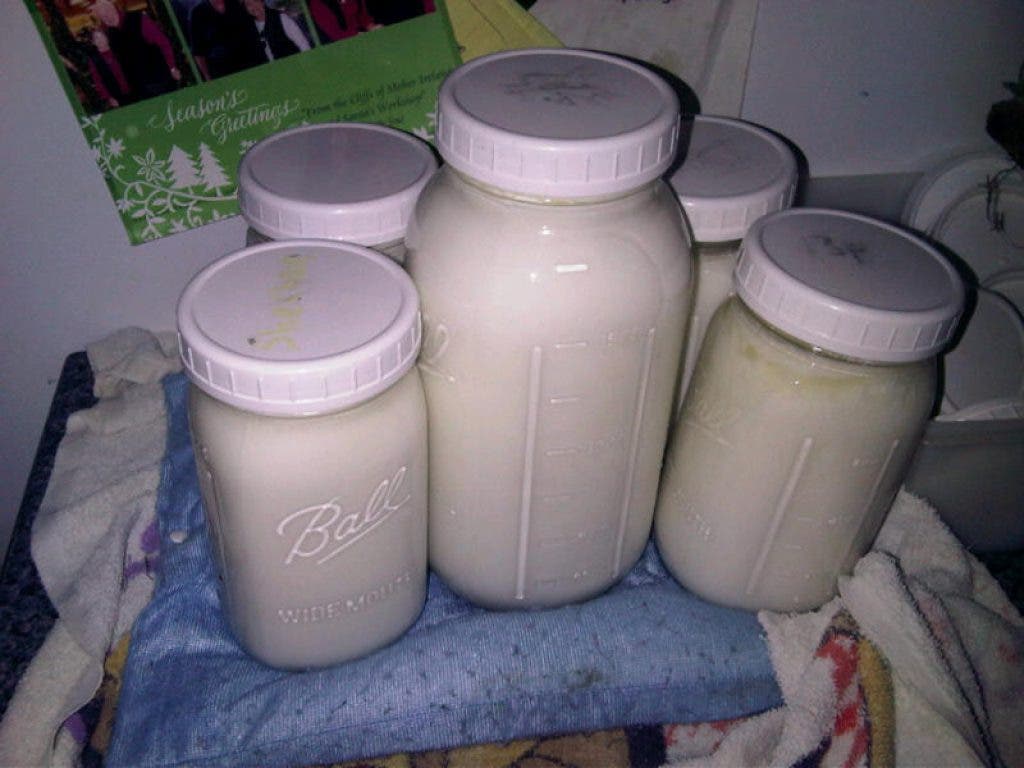
In the past weeks, I’ve covered the topics of eggs and honeybees. Now it’s time to move onto a completely new topic - and certainly one of my favorites - Dairy Products! And there is no better place to begin than with yogurt. It’s an amazingly easy dairy product to make at home and has countless uses in the diets of people, young and old.
I’m sure most everyone is familiar with the health benefits of eating yogurt - thanks to the media blitz that has made yogurt a mainstream food. (It’s a great source of calcium, protein and immune system boosters). But did you also know, it’s very easy to make at home and for a fraction of the cost? Once you taste your own fresh, light, real yogurt, you’ll never go back to the store-bought variety.
I make yogurt by the half-gallon, a few times a week. We eat it for breakfast with fruit, put it in smoothies, use it as a substitute for sour cream in recipes and hang much of it into Greek yogurt and yogurt cheese (aka: fat-free cream cheese).
Find out what's happening in Amherstfor free with the latest updates from Patch.
While I make mine from fresh, raw milk from our Jersey cows (and I suggest you try it raw sometime), yogurt can easily be made from either raw or pasteurized milk. To make yogurt, you just stir some starter yogurt into warm milk, and keep it warm overnight. That’s it - viola’, yogurt!
If you are using pasteurized milk, scald the milk first, then cool it down to a comfortable, warm temperature. Test the temperature by putting a clean little finger in it. It should feel like a nice warm bath. If you can’t keep your finger in there easily for the count of 10, it’s too hot still. Once it’s at a nice warm temperature, stir in a “glop” of store-bought plain yogurt. (any kind is fine, as long as the label says “contains active cultures”). About a ½ of a small container of plain store yogurt, will culture a ½ gallon of milk. Stir it well. Now keep it at a warm (not hot) temperature for about 12 hours. I wrap a heating pad, set on low, around the jar and cover the whole thing with a bath towel. You don’t want anything that will heat it over 110 degrees. In the morning you have yogurt.
Find out what's happening in Amherstfor free with the latest updates from Patch.
If you prefer Greek Style, hang it in a cloth over the sink for a few hours. (more on that next week). Now refrigerate it, then enjoy.
A few Notes and FAQ’s on Yogurt:
- Don’t use aluminum for heating the milk or culturing the yogurt. Use stainless steel, glass or ceramic. (A Corningware casserole dish works well).
- Any kind of pasteurized milk is fine - skim, 1%, whole, whatever.
- If you are using raw milk, skim all the cream off the milk before turning into yogurt.
- If you use raw milk, just warm it slightly before adding the starter. Don’t scald, or you will destroy all the goodness of the raw milk.
- Don’t forget to keep a bit of your yogurt to be the “starter” for your next batch.
Feel free to post questions or contact me through our family website: NHHoney.com
Kathie Nunley is an Amherst resident who feeds her family on their 2 acres.