Politics & Government
GOP Senate Candidate Requests FCC Action Against WMUR-TV
After being excluded from coverage, debate, and the ability to purchase advertising time, U.S. Senate candidate Andy Martin files complaint.


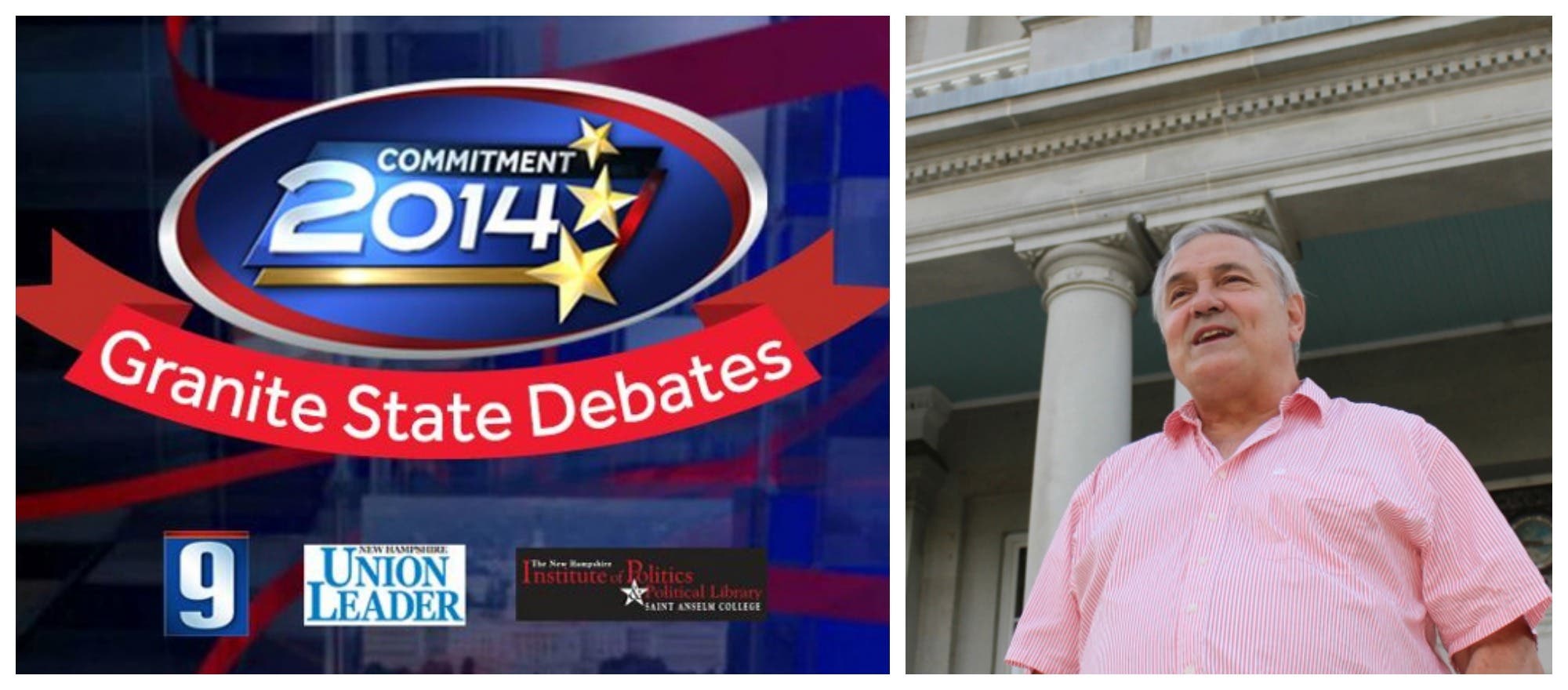
In a multi-candidate election field like some of the races around New Hampshire this year, it’s nearly impossible to give every candidate fair coverage. And, with newspapers, online websites, and cable stations, while reporters may try to give equal coverage, there is no legal requirement.
However, with the licensed broadcast stations that utilize the public airwaves, such as radio and television stations, there have historically been requirements to offer discounted advertising rates to federal candidates and offer equal coverage to all of the candidates on the ballot, since access to the airwaves is regulated and limited.
In the race for U.S. Senate, particularly, the Republican primary set for Sept. 9, there are 10 candidates on the ballot but only three candidates – former U.S. Sens. Scott Brown and Bob Smith, and former state Sen. Jim Rubens – are deemed as competitive enough to win the nomination.
Find out what's happening in Bedfordfor free with the latest updates from Patch.
But one candidate, Andy Martin, filed a complaint with Federal Communications Commission today requesting that it “investigate abuses of federal monopoly power by Hearst Television which owns WMUR-TV in Manchester.”
According to Martin, WMUR-TV is giving Brown, Rubens, and Smith, free airtime to debate at 7 p.m. on Sept. 4. When told he wasn’t going to be allowed in the debate, Martin said he requested information about the cost of buying 30 minutes of time at 7 p.m. on a different day, in order to counteract the free time given to the other candidates. The station, Martin said, refused.
Find out what's happening in Bedfordfor free with the latest updates from Patch.
“Hearst is giving Scott Brown and his two ‘debating dummies’ free time at 7:00 P.M.,” Martin said in a statement, “but refuses to sell me the same time slot, to reach a similar audience. New Hampshire has become a media ‘colony’ of Hearst Television on 57th Street in New York. No company should have such dictatorial media power over an entire state. Hearst is using its media monopoly to nominate Scott Brown. (Brown’s wife is a former Hearst employee.) Whether you support or oppose Brown, I should have a fair opportunity to take my case and my candidacy to the people. Hearst Television is making a joke of democracy in our state.”
In Martin’s request, he asked the FCC to investigate “the monopolistic corporate behavior of Hearst Television and the efforts of the company to rig the U. S. Senate election with biased coverage” and the company’s refusal to allow him to buy time for equal coverage.
Jeff Bartlett, the general manager of WMUR-TV, however, responded to Martin’s complaint with a statement, saying, “WMUR complies with all applicable laws, rules and regulations relating to the sale of political advertising to candidates. We believe Mr. Martin’s complaint to be without merit.”
According to its website in May announcing the one-hour debate consortium with The New Hampshire Union Leader and the Institute for Politics at Saint Anselm, before the candidate filings, WMUR-TV had only invited four candidates – Karen Testerman, who dropped out the day of the filing, Rubens, Smith, and Brown – to participate in the Senate debate. It also only invited two Republicans to participate in the gubernatorial and Congressional district races. More recent updates about the debates, which begin on Sept. 2, do not indicate which candidates have been invited to participate.
Radio debates on WGIR-AM, a station owned by Clear Channel, have limited participation to just the most popular candidates running, as well.
Republicans have the aforementioned 10 candidates running for Senate, four for governor, and four on the ballot in both Congressional district races, according to the Secretary of State’s Office.
Whether Martin’s complaint will be successful remains to be seen. The FCC has, historically, rejected other actions against television stations for not offering equal time during debates for candidates that are on the ballot.
Martin has a colorful political history, running for a number of offices during the last three decades. His most successful race to date was the 2008 Republican primary for U.S. Senate in Illinois where he placed second with 34 percent of the vote. He also attempted presidential runs as a Democrat in 1988 and as a Republican in 2000 and 2012.
Get more local news delivered straight to your inbox. Sign up for free Patch newsletters and alerts.