Community Corner
How Long Do People Live in Bedford?
A new study breaks down longevity by congressional district. See how much time you have left.


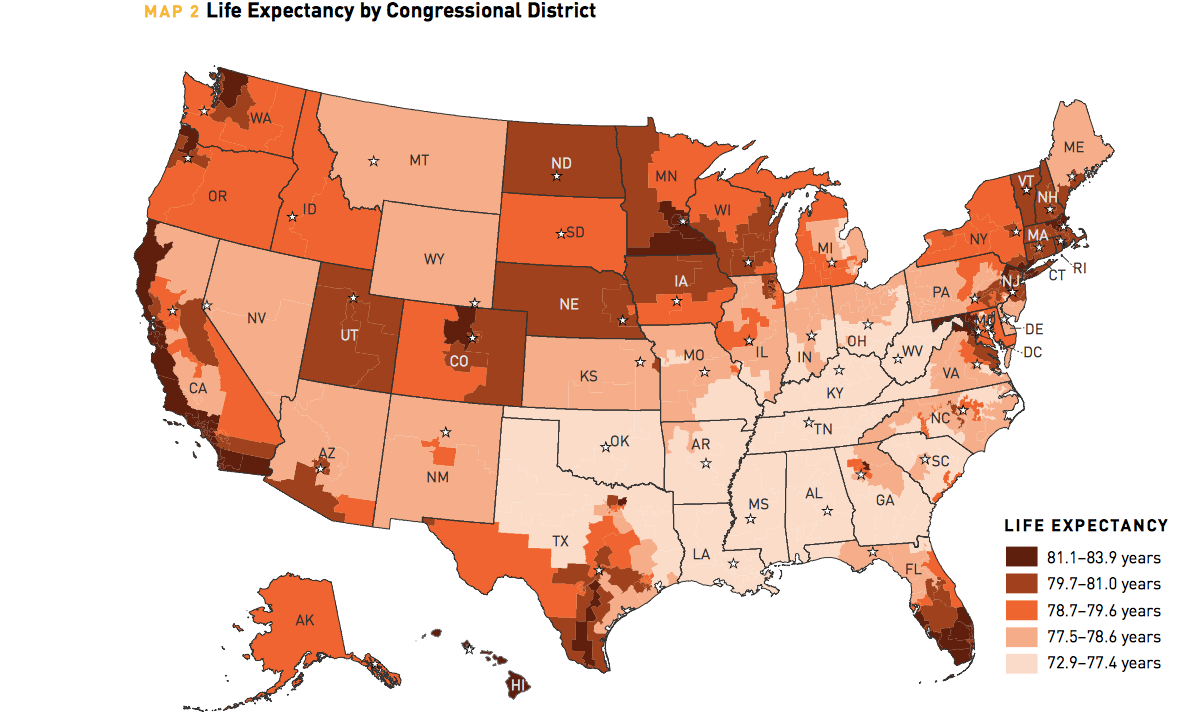
A new study reveals that most people in New Hampshire will live longer than their counterparts in the United States by slight margins with one side of the state expected to live longer than the other, according to the data.
The first Congressional District, which includes the Seacoast, Manchester and surrounding communities, and cities and towns on the eastern part of the state all the way up to the Lakes Region and Conway, is ranked 131 out of 436 districts, with a life expectancy of about 80.2 years, according to the study.
The Second Congressional District, which includes Nashua, the Monadnock Region and Connecticut Valley, Concord, and the western part of the state all the way up to Canada, was ranked 152nd. People in CD2 have an expectancy of 79.9 years.
Find out what's happening in Bedfordfor free with the latest updates from Patch.
The study, called Geographies of Opportunity, was published last week by the Social Science Research Council, as part of their ongoing effort to track disparities in quality of life across America.
According to the study, the average life expectancy in the United States is now 79.1 years, an increase of almost four years over life expectancy in 1990. But according to the researchers, some Americans, especially African Americans and some Southerners, have seen far less of an increase. A few parts of the South have seen no increase at all.
Find out what's happening in Bedfordfor free with the latest updates from Patch.
The longest life expectancy in the U.S. is in California’s 19th Congressional district, which includes San Jose and part of Santa Clara County, where people live 83.9 years on average, or roughly as long as people in Japan.
The lowest life expectancy is in rural southeastern Kentucky, where people live just under 73 years, or about as long as residents of the Gaza Strip.
The study’s authors say a variety of factors affect life expectancy, from access to health insurance to race and employment opportunities. But the study also lists four factors it dubs the “fatal four,” which can shorten lifespan dramatically: smoking, poor diet, lack of exercise and alcohol abuse.
Credit: Geographies of Opportunity, The Social Science Research Council, Sarah Burd-Sharps and Kristen Lewis.
Get more local news delivered straight to your inbox. Sign up for free Patch newsletters and alerts.