Neighbor News
Tick Season in NH - What to Know
Joseph E. Sicard, PA-C, Director of Clinical Operations, ClearChoiceMD Urgent Care
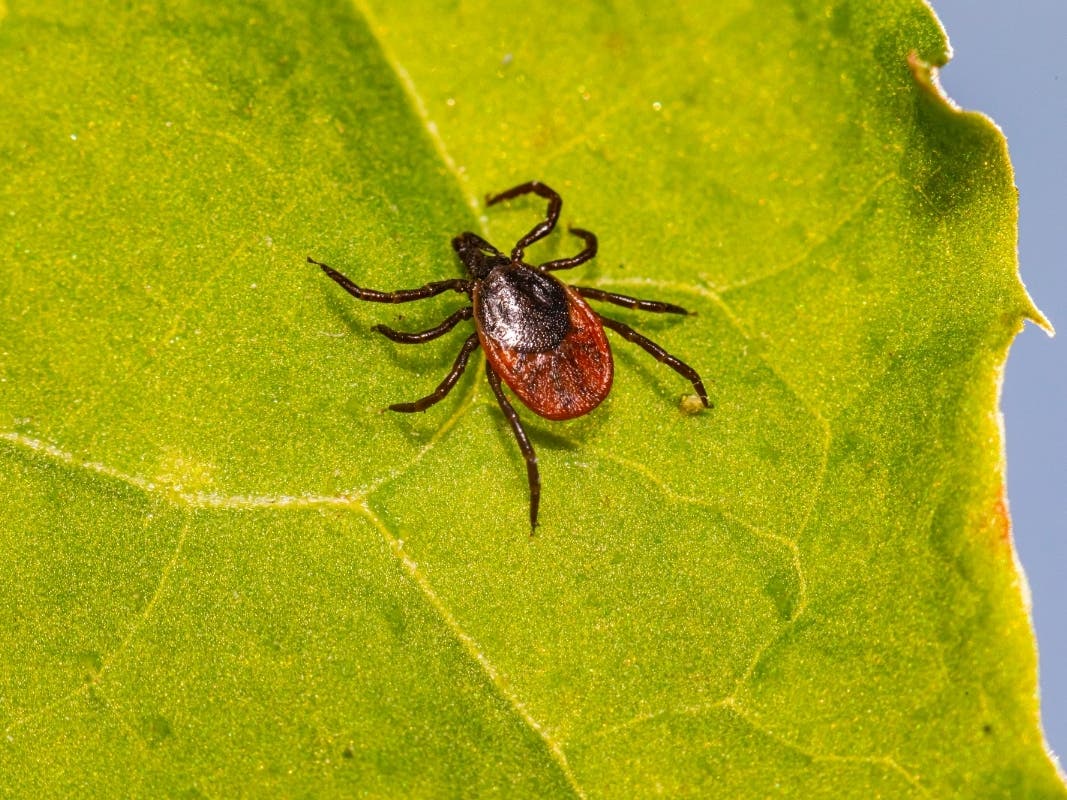
It appears 2022 will be a bad year for ticks in the Granite State. Since mid-March, hospitals across New Hampshire have reported increasing emergency department (ED) visits for tick bites. What’s more, according to the Centers for Disease Control and Prevention (CDC), the Northeast leads the nation in the rate of tick bites, averaging 103 ED visits for tick bites per 100,000 visits. Compare that to the South Central U.S., which has the lowest rate of tick bites, averaging only 9 ED visits for tick bites per 100,000 visits. The bottom line is everyone in New Hampshire is at risk for tick bites.
American dog ticks and blacklegged ticks, also known as deer ticks, are the two most common ticks in New Hampshire. Dog ticks are generally considered a nuisance, but deer ticks can spread serious diseases, like Lyme disease. New Hampshire has had some of the highest incidences of Lyme in the U.S. in recent years. The NH Department of Health and Human Services has identified four other tick-borne diseases that have been transmitted by the deer tick in the state, including anaplasmosis, babesiosis, Powassen virus, and Borreilia miyamotoi. These are less common than Lyme disease; however, cases of anaplasmosis and babesiosis have increased in recent years, according to UNH Extension.
Preventing Tick Bites
Reducing exposure to ticks is the best way to prevent a tick-borne illness. The following tips can help keep you and your family safe.
Find out what's happening in Bedfordfor free with the latest updates from Patch.
- Avoid tick habitats: If possible, stay out of areas known to be infested by ticks. Ticks live in grassy, brushy, or wooded areas close to the ground – even in your own yard or neighborhood. Walk in the center of the trail when hiking to avoid brush. Ticks often cling to tall grass and low shrubs and will grab onto you when you pass by.
- Clothing choices: Wear light-colored clothing so ticks can be more easily spotted. Wear long sleeves and long pants to cover as much exposed skin as possible. Tuck your pants into your socks before going into wooded or grassy areas. When you go back inside, run your clothes through the dryer. Ten minutes on high heat is sufficient to kill ticks on dry clothing, but one hour is recommended for damp or wet clothing.
- Use insect repellents and treatments: To repel ticks from skin, the CDC recommends using an EPA-registered repellent containing DEET, picaridin, IR3535, Oil of Lemon Eucalyptus (OLE), para-menthane-diol (PMD), or 2-undecanone. Treat all clothing, boots, and gear with 0.5% permethrin.
- Perform daily tick checks: Shower when you go inside to wash off any unattached ticks, then thoroughly check your entire body after you dry off. Ticks could be anywhere on the body, but they like warm areas like behind the knees, ears, groin, belly button, and the back and neck. Don’t forget to check your pets, as they can also bring ticks into your home. When examining a pet, be sure to check within the fur, close to the skin.
- Make your yard less appealing to ticks: Rake leaves and clear tall grass and brush. Use wood chips or gravel to separate lawns from wooded areas. Keep swingsets, play areas, and patios away from shrubs and bushes and place them in direct sunlight, if possible. Treat your lawn with a tick control solution. Remove plants that attract deer and fence in your yard to keep them out.
Identifying Tick Bites
Ticks should not prevent you from enjoying the great weather, but tick bites should be taken seriously. If you are bitten, remove the tick promptly using tweezers. Removing the tick within 36 hours of attachment may prevent Lyme disease, though other tick-borne diseases may be transmitted in less time.
Tick bites can look like other insect bites in the early stages when a red bump forms on the skin. The bites are usually not itchy or painful. However, the rash may gradually expand and form a “target” or “bullseye” shaped mark. If you are unsure about a bite, it’s a good idea to ask a medical provider.
Find out what's happening in Bedfordfor free with the latest updates from Patch.
Watch for signs and symptoms of illness for 30 days after a tick bite. If you experience a rash, fever, fatigue, headache, muscle pain, joint swelling, or joint pain, you should see your doctor or visit your local ClearChoiceMD Urgent Care Center to get checked. Our centers offer comprehensive services, including tick removal and Lyme disease testing and treatment.