Politics & Government
EEE Found in Exeter
It was the first finding of Eastern Equine Encephalitis in the state this year.


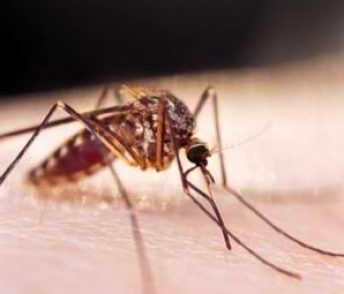
The New Hampshire Department of Health and Human Services announced Monday that a batch of mosquitoes in Exeter has tested positive for Eastern Equine Encephalitis.
This is the first finding of EEE in the state this year.
Seacoast-based Municipal Pest Management on Tuesday morning will spray the ball field across from Brickyard Pond on Kingston Road where the EEE-positive mosquitoes were found, according to town Deputy Health Officer Judy Jervis. The area is a hotspot for mosquitoes, town officials have said.
Activities at the field were canceled Monday night.
In 2012, New Hampshire had 13 positive tests for EEE, including nine mosquito batches and four animals.
The discovery of EEE in Exeter this year comes not long after other mosquito and tick viruses were also found in the area.
EEE and WNV are transmitted by the bite of an infected mosquito. This finding does not change the low risk level in Exeter, according to DHHS.
"This is the first identified positive for Eastern Equine Encephalitis in New Hampshire this season, but unfortunately it is not unexpected,” said DHHS Public Health Director Dr. José Montero. "These two viruses tend to appear in waves and some years there are more positives than others so we don’t really know what the rest of the season has in store. This is all the more reason why people should take precautions against being bitten by mosquitoes.”
Symptoms of WNV disease often appear 4 to 10 days after being bitten. If you or someone you know is experiencing flu-like symptoms, including fever and headache, contact your local medical provider.
EEE is a more serious disease that carries a high mortality rate for those who contract the serious encephalitis form of the illness. Symptoms may include high fever, severe headache, stiff neck, and sore throat. There is no treatment for the disease, which can lead to seizures and coma. Symptoms usually occur four to 10 days after being bitten.
For more information about EEE and West Nile Virus visit the DHHS website and the Centers for Disease Control and Prevention website. For questions, contact the DHHS Bureau of Infectious Disease Control at 603-271-4496.
Get more local news delivered straight to your inbox. Sign up for free Patch newsletters and alerts.