Crime & Safety
Exeter Police Offer Tips to Combat Addiction
Autopsies confirm two recent deaths were the result of fentanyl overdoes; here's how you can recognize an overdose situation.


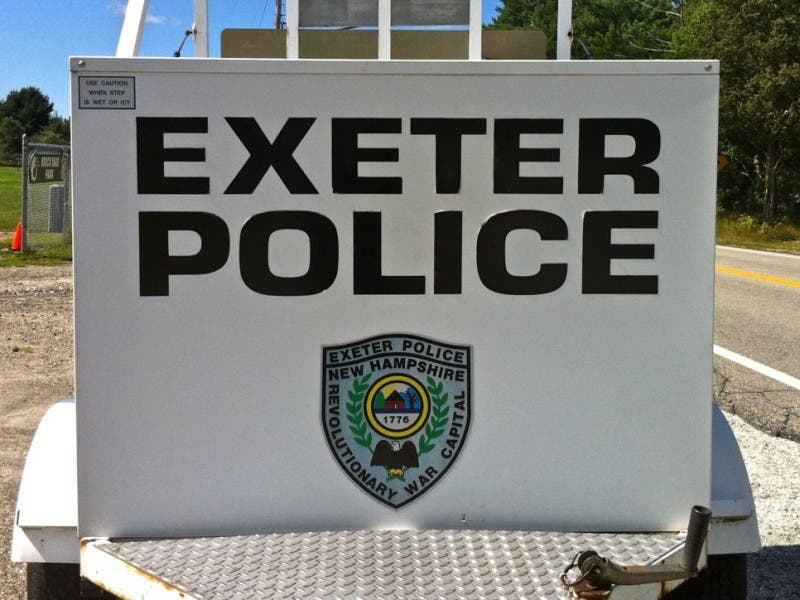
Chief Richard Kane and the Exeter Police Department are providing resources to residents after a medical examiner confirmed two Fentanyl-related deaths in town within the last several months, according to a press statement.
Two men recently died to drug overdoses: a 35-year-old man in May and a 26-year-old man in July.
Given the state of the nationwide opioid and heroin epidemic and the stigma surrounding addiction, Kane asked that those struggling with addiction - or those who have loved ones battling the disease - take a moment to review signs and symptoms of drug abuse, and to take advantage of resources available to them in and outside the community.
Find out what's happening in Exeterfor free with the latest updates from Patch.
“The disease of addiction has taken the lives of too many,” Kane said. “It is our time to act and help our community receive the help they need.”
Nasal Naloxone is now available without a prescription and is covered by most health insurance companies. It is available at the majority of pharmacies, and can be freely purchased by families of addicts who may fear their loved one may overdose.
Find out what's happening in Exeterfor free with the latest updates from Patch.
Naloxone, otherwise known as Narcan, is an antagonist that quickly reverses the effects of opioids by displacing the drug from the receptors in the brain. It is effective against heroin, Fentanyl, oxycodone (OxyContin, Percocet) and hydrocodone (Vicodin). Naracan has minimal side effects, is not dangerous if administered to a person who is not overdosing, and has no potential for abuse.
Nasal Narcan will not harm someone, even if they are not experiencing an overdose.
Fentanyl is especially troublesome, as it has shown up frequently on its own and as an additive to heroin. It is a synthetic painkiller, usually reserved for extreme cases and terminal cancer patients, that is 50-100 times stronger than morphine. It is frequently linked to overdose deaths across the country, especially as intravenous heroin users often are unaware that they are taking the drug, or they underestimate its potency.
It is also important to recognize the signs of a drug overdose. If a person you know is experiencing the following symptoms, immediately dial 911 and administer Nasal Narcan if on site:
- Small, contracted pupils
- Slowed or absent breathing
- Extreme fatigue/loss of consciousness
- Changes in heart rate
- Slurred speech
Those struggling with addiction, or family members looking to helped a loved one, should remember you are not alone. There are resources available to those looking for help or guidance:
The New Hampshire Department of Health & Human Services provides hotlines, 12-step programs, resources for veterans, sober housing and more for those in need, including a Narcotics Anonymous (NA) 24-Hour Help and Information: 603-645-4777
he Substance Abuse and Mental Health Services Administration, the agency within the U.S. Department of Health and Human Services that works to to reduce the impact of substance abuse and mental illness on America’s communities is also available to residents. Their National Helpline is a confidential, free, 24-hour-a-day, 365-day-a-year, information service, in English and Spanish, for individuals and family members facing mental health and/or substance use disorders 1-800-662-HELP (4357).
Get more local news delivered straight to your inbox. Sign up for free Patch newsletters and alerts.