Neighbor News
What to expect following a total knee replacement...
Health and wellness article written by Dr. Kaitlyn Hamel at Seacoast Spine & Sports Injuries clinic in Portsmouth, Hampton and Alton NH.
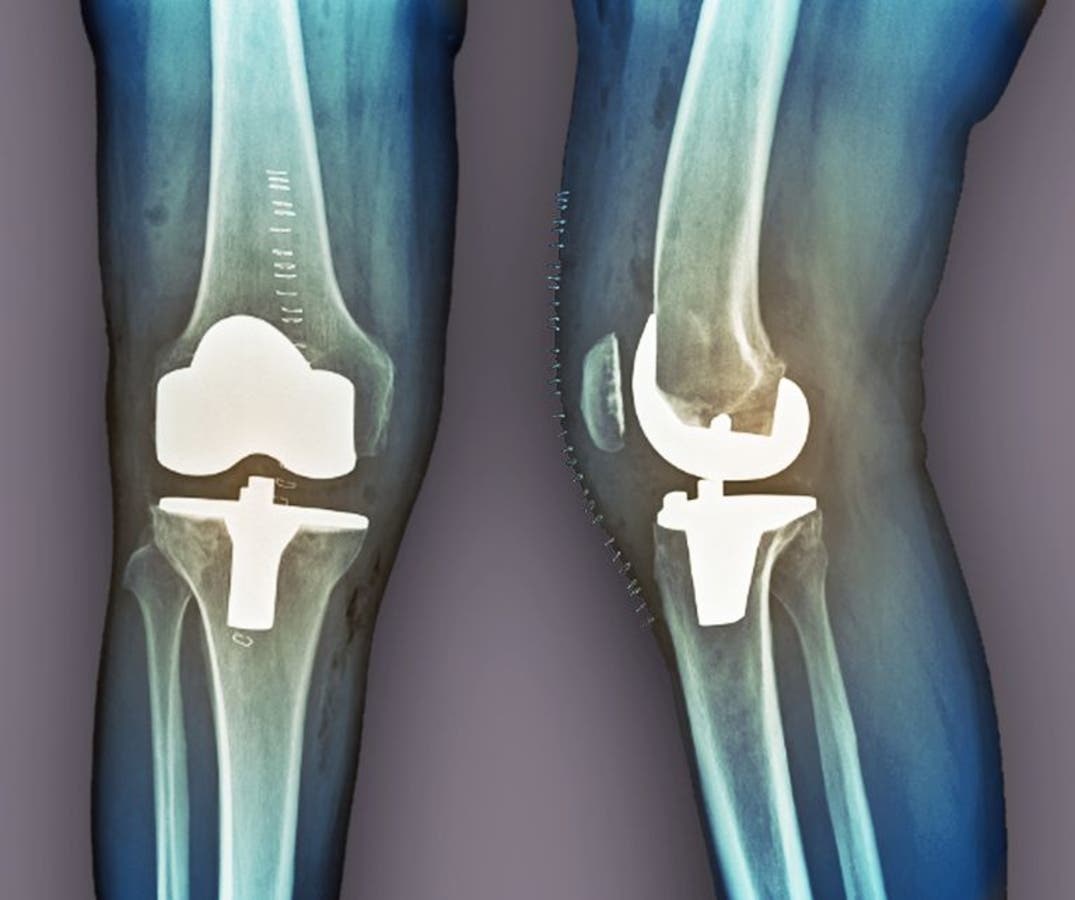
Have you been suffering from joint pain for the past few years? Do you have x-rays revealing severe osteoarthritis from all those years of physical activity? You’ve tried medication, physical therapy and a multitude of over the counter modalities to relieve the pain but nothing works. When your doctor again recommends surgery, you finally decide that this might be the best decision in order for you to get back to everyday life without pain. Now that the surgery date is set, you’re sitting there wondering what you should expect from the rehab process. How soon will I be able to return to work? Will I be able to return to golf next season? Will I be able to drive after surgery? The purpose of this article is to answer some of your questions and improve your understanding of the post-operative rehab process.
Rehabilitation is crucial to your success following a total joint replacement. You should expect to be in the hospital for 2-3 days. The goal of therapy during your stay at the hospital is regaining functional independence in order to safely return home. With a therapist you will be progressed through transfer training, walking with the use of an appropriate assistive device, and simple knee exercises to improve range of motion and strength. By discharge you should be able to perform simple transfers (sit to stand, tub transfer, car transfer), walk 25 feet with a cane or walker, safely go up and down steps with hand rails, and actively bend the knee to 90 degrees. You will either be discharged to a rehabilitation facility or home with a script for home care physical therapy. This decision is made based on your functional level at the time of discharge. For example, an individual who lives on the second floor of an apartment building without an elevator will be discharged to a short-term rehab facility until he/she can safely negotiate two flights of stairs.
By week 2 you will discharged and on your way to an outpatient clinic where the goals will be more advanced in order to maximize your functional ability while decreasing pain and stiffness. The goal for functional range of motion is 110 to 115 degrees of knee flexion (bending). This range is required for you to be able to walk normally and negotiate stairs. Weeks 2-6 you will be performing a daily regimen of strengthening and range of motion exercises as provided by your physical therapist. Your physical therapy sessions will be focused on acquiring functional range of motion. The process of regaining functional range of motion is painful and it's often recommended that you take pain medication (ask your MD for specifics) prior to going to your therapy sessions. A therapist will gently stretch and mobilize your joint in order to increase mobility and decrease stiffness. Your ability to return to walking without an assistive device depends solely on your commitment to performing the exercises at home and during therapy. Patients typically begin to decrease use of the cane by weeks 4-6. Your ability to return to driving is dependent on which lower extremity was operated on. Return to driving occurs more quickly with the left knee, approximately 2-4 weeks dependent on your use of pain medication. The right knee requires increased time, approximately 6 weeks, because that leg is responsible for use of the gas and break pedal.
Find out what's happening in Hampton-North Hamptonfor free with the latest updates from Patch.
By week 6 you should be able to resume all everyday activities with minimal pain and stiffness. Continued diligence in performance of your home exercise program and rehab is required at this stage in order to maximize lower extremity strengthening and return knee mobility to a minimum of 110 degrees. By weeks 6-8 your exercise program will be advanced to include squats, step ups in all directions, single leg balance, and light weight-bearing aerobic activities (treadmill, elliptical).
By week 12 you should feel like you’re nearing 90-100% improvement, returning to recreational activities i.e golfing, biking, and swimming. It is recommended that you continue to avoid or minimize high impact activities such as running, basketball, skiing etc. in order to minimize risk of damaging the new implant. At this point in the rehab process you should notice significant improvement in pain level, strength and knee mobility.
Find out what's happening in Hampton-North Hamptonfor free with the latest updates from Patch.
If you or someone you know is planning on undergoing a joint replacement please get in touch with your local physical therapist.
Please email Dr. Hamel with any questions regarding this article: drhamel@seacoastsportsinjuries.com.