Politics & Government
Cuts, Caps And A 3% Increase: Inside Ruais' Manchester Budget Proposal
In his third budget address as mayor, Republican Jay Ruais continued to pursue his "Goldilocks" strategy: not too hot on taxes and spending.

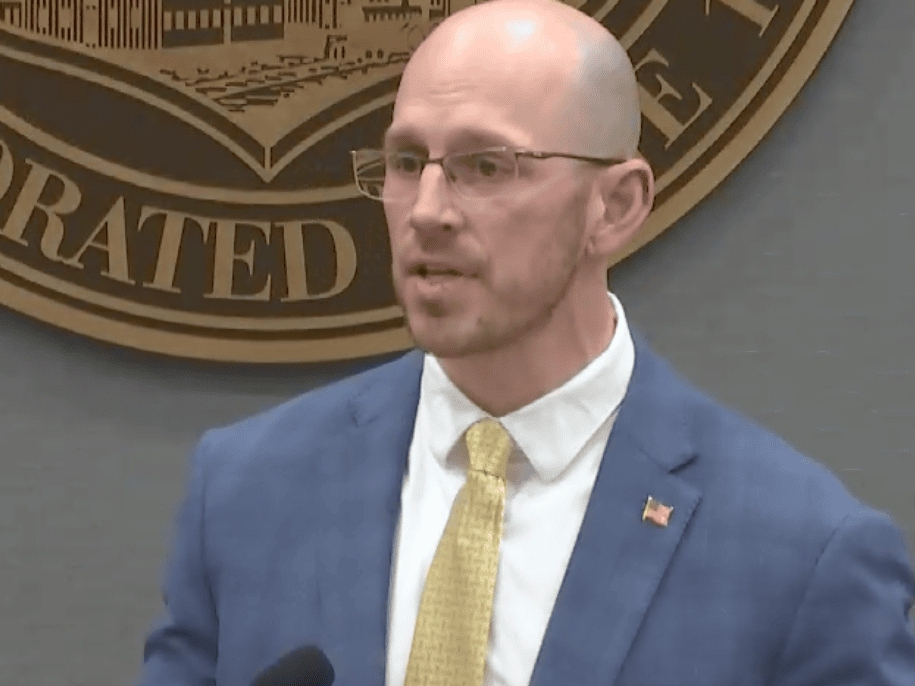
In his third budget address as mayor, Republican Jay Ruais continued to pursue his “Goldilocks” strategy: not too hot on taxes and spending, not too cold on budget cuts.
The question now is whether the Board of Aldermen will find his proposal “just right.”
Find out what's happening in Manchesterfor free with the latest updates from Patch.
“Our duty is to protect them by bringing balance to city spending, living within our means, and making sure the needs of the city, the school district, and every household are weighed fairly,” Ruais said Thursday during his official budget address. “If we remain disciplined, creative, and united, we will emerge from this budget season stronger, more efficient, and better positioned to deliver the services that our residents deserve.”
Part of Ruais’ strategy is to share revenue and spread the budget pain by proposing across-the-board cuts for city agencies. Specifically, his budget cuts FY26 departmental allocations by 2 percent across all departments, excluding contractual commitments.
Find out what's happening in Manchesterfor free with the latest updates from Patch.
There are some exceptions: the Fire Department was cut by 1.5 percent, the Department of Public Works was cut by just 1 percent, and there was no reduction for the Manchester Police Department.
Ruais’ $200 million city proposal and $234 million school proposal keep overall spending within the city’s tax cap while funding key services. The total tax increase under Ruais’ plan is 3 percent.
“In a time of continued economic pressure, our families, residents, and businesses deserve a city government that lives within its means. At the end of every line item in our budget is an individual or family thinking about filling up their car, putting money away for their future, or paying their mortgage,” Ruais said.
“Manchester residents also expect their city to deliver for them. They expect our employees to educate our kids, answer emergency calls, repair roads, maintain parks, and clear our streets and sidewalks during the winter. We have to strike a balance.”
The Manchester School District budget proposal Ruais supports is $500,000 less than the district’s own tax cap-compliant total. However, even with that reduction, it is still $3 million more than last year’s budget.
In fact, Ruais has repeatedly pointed out that school spending has increased by $14 million since he took office, while coming in nearly $13 million below requested levels during that time.
Although Ruais’s efforts to limit education funding increases drew fire from his Democratic opponent in last year’s mayoral race, he has remained on message. He’s increased spending as part of his commitment to education, but not as much as Democrats want, as part of his commitment to taxpayers.
A key part of achieving Ruais’ balance is the work of the city’s independent auditor, a position that had been unfilled since 2018. Thanks to the auditor’s review of city operations, Manchester is operating more efficiently and cost-effectively, Ruais said.
“We are making necessary and foundational reforms to city government that will improve oversight, efficiency, and save money, while ensuring our taxpayer dollars are spent responsibly.”
That includes new centralized purchasing and payroll divisions to strengthen internal auditing, consolidate services, and reduce long-term costs. The city is also moving the Parking Division under the Police Department as another cost-saving measure.
Ruais said the city continues to invest in vital road and infrastructure improvements, as well as necessary purchases for first responders, including vehicles and a radio system upgrade. Manchester is also investing in recruiting and retaining first responders.
“I am committing dollars, consistent with the cost of implementing the compensation study, to the budget to help address recruitment and retention challenges,” Ruais said.
An alcoholic in recovery himself, Ruais has made addressing homelessness and opioid abuse a priority since taking office, saying his budget provides the services required to help those in need.
“We have responsibly reduced shelter capacity while focusing on the most vulnerable — veterans, the elderly and infirm, and now families and children— with this proposal. We are investing our federal dollars across the full continuum of care, from emergency shelter and outreach to transitional housing and permanent solutions, to make homelessness rare, brief, and one-time,” Ruais said.
Ruais’s budget proposal now moves to the Board of Aldermen for consideration.
This story was originally published by the NH Journal, an online news publication dedicated to providing fair, unbiased reporting on, and analysis of, political news of interest to New Hampshire. For more stories from the NH Journal, visit NHJournal.com.