Politics & Government
Manchester Mayor Seeks 'Balance' As School Board Pushes To Break City's Tax Cap
Mayor Jay Ruais is determined to find a middle ground on the proposed $235 million school budget — while board pushes for about $30M more.

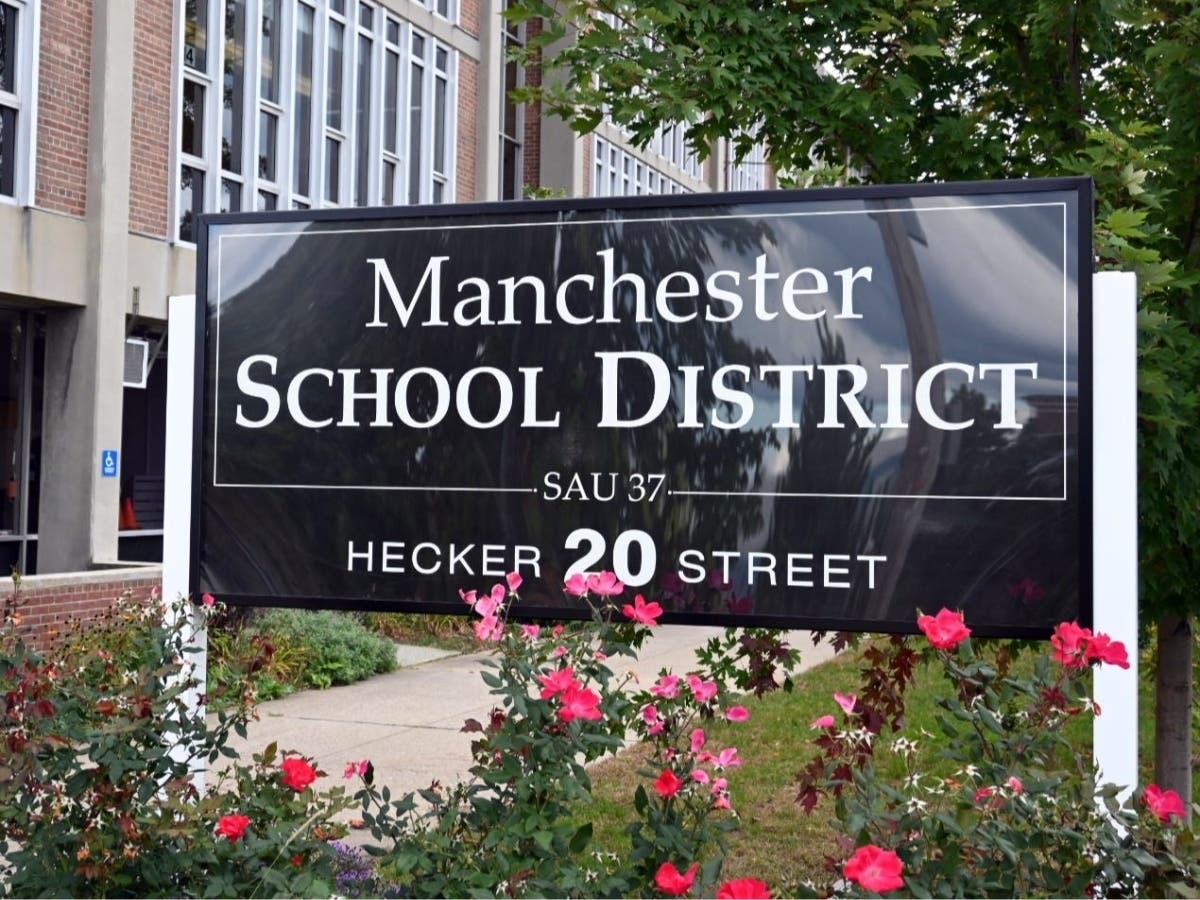
Manchester Mayor Jay Ruais is determined to find a middle ground on the proposed $235 million school budget as the Board of School Committee pushes for as much as $265 million.
For Ruais, that middle ground must take struggling taxpayers’ concerns into account without setting back the city’s education priorities.
Find out what's happening in Manchesterfor free with the latest updates from Patch.
“There’s a balance to everything that we do in the city,” Ruais said during Wednesday night’s Board of School Committee meeting. “The one perspective we haven’t heard yet is — we’ve talked about those that fall below the poverty line or the families that are struggling in the city of Manchester — that’s also added overburdens when we are increasing the taxes by too much.”
The committee voted to send three fiscal year 2027 budget proposals to the Board of Aldermen: a $235.5 million budget in line with the city’s tax cap; a $251.4 million so-called baseline budget; and a $265.3 million proposal that would add staff and expand programs.
Find out what's happening in Manchesterfor free with the latest updates from Patch.
All three options represent a tax increase for city homeowners, according to Ruais. The $235.5 million budget would mean an estimated 3 percent tax hike, bringing the rate to about $20.85 per $1,000 of valuation — approximately $183 more on a $300,000 home.
The $251.4 million budget represents an estimated 8.89 percent increase and a projected tax rate of $22.04, or about $540 more a year on a $300,000 home. The $265.3 million proposal reflects an estimated 14.04 percent increase, pushing the rate to $23.08 and adding about $852 on a $300,000 home.
Superintendent Jennifer Chmiel said keeping the budget at the tax cap-compliant $235 million level would result in staff and teacher layoffs, program cuts, and increased class sizes of 30 students per teacher.
“None of this is in the best interest of our students, our district, or our community,” Chmiel said.
Chmiel said the tax cap-compliant $235 million budget represents a $16 million cut from the previous year. However, the current fiscal year 2026 budget is $237 million. Chmiel considers the $251 million proposal the level-funded baseline.
Ruais said district spending increased by a combined $11 million during the fiscal year 2025 and 2026 budgets. Over the same period, he said he led efforts to reduce budget requests, saving taxpayers more than $12 million in proposed spending.
“So, in the last two years, there’s been an $11 million increase in funding to the school district. Where the reduction has come is on the reduction in requests. That’s an $11 million increase and a $12.2 million reduction. What we tried to do is find that balance,” Ruais said.
The budget debate is complicated by the city’s tax cap. Since he took office, district budgets have come in under the amount that would have been allowed under the cap, which limits the amount available for the next budget.
Under Manchester’s charter, property tax revenue is limited to the amount collected in the prior year, plus an allowed increase based on the three-year average of the Consumer Price Index.
Board member Chris Potter said the increases might seem high only because the district was under the tax cap for two years. The $251 million and $265 million proposals align with what the district could have sought if it had maxed out the tax cap in 2025, 2026, and 2027.
“I recognize we are asking for a tax increase. But I think it’s important to point out that it’s only equal to what the tax cap would have been if we had gotten it the last two years,” Potter said. “Are you framing it as a tax increase of 8 percent, or are you framing it as a cost-of-living adjustment over the last three years?”
But critics of spending above the tax cap say the real culprit is the school district’s mishandling of $35 million in state aid it received three years ago.
The proposals now move to the Board of Aldermen for consideration. Ruais said he is preparing his own plan to address the school and city budgets, which he plans to unveil in the coming weeks.
Aldermen can override the tax cap and approve the $251.4 million baseline budget, thereby avoiding cuts. They could also approve Chmiel’s “fully funded” $265.3 million proposal, which would allow the district to add staff.
Underlying the current debate is the overall trend for the state’s largest school district: Higher spending and lower enrollment.
In 2001, there were 17,407 students in Manchester schools, and the budget was around $152 million. Today, there are about 11,600 students—a decline of about a third—while spending has soared 55 percent over the same period.
This story was originally published by the NH Journal, an online news publication dedicated to providing fair, unbiased reporting on, and analysis of, political news of interest to New Hampshire. For more stories from the NH Journal, visit NHJournal.com.