Politics & Government
$4.2M Upgrade Proposed at Wastewater Facility
Project would replace 42-year-old equipment. Would be paid by user fees, not tax dollars.


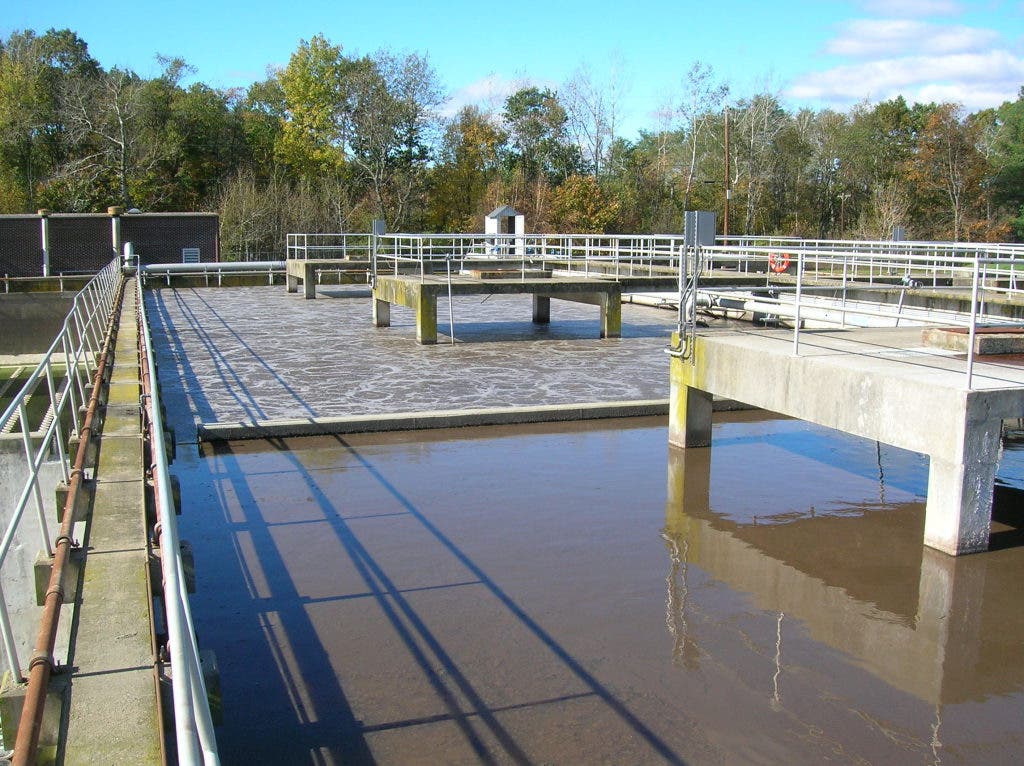
When Merrimack residents head to the polls in April, the town will ask voters to consider the approval of $4.2 million for the second phase of upgrades to the town's aging wastewater treatment facility.
While the dollar figure may put some voters off, especially in these economic times, Public Works Assistant Director Jim Taylor, who runs the Merrimack Wastewater Treatment Facility, said it's extremely important for voters to note that the upgrades proposed have no impact on the tax rate as the money to pay for the upgrades will come from user fees paid by town sewer customers.
For the town's customers who pay the sewer fees, Taylor added the project will not force a rate hike at the wastewater treatment facility next year, either.
Find out what's happening in Merrimackfor free with the latest updates from Patch.
Merrimack has one of the lowest sewer rates in the state, according to data provided by Taylor for a recent presentation to the Town Council about this and another project the department is proposing that would upgrade the town's compost facility.
Taylor said of 109 communities in New Hampshire, Merrimack has sixth lowest sewer rate in the state. Merrimack's annual fee is $197, where the New Hampshire average is $500.
Find out what's happening in Merrimackfor free with the latest updates from Patch.
The Phase II request first landed on the warrant last year, garnering simple majority approval, but needed a two-thirds majority to pass, so it ultimately failed.
Taylor said it is imperative that a plan to upgrade this facility is accepted as soon as possible.
“Most of the equipment has been in continuing service for more than 40 years,” Taylor said during an interview at the facility last week.
Pumps and pipes that run the system and have been in nonstop use since 1970 have survived this long – a good 10-20 years beyond their life expectancy – due to impeccable maintenance by the department, Taylor said, but it's always a risk running a system such as this on equipment that could fail.
In addition to replacing the equipment, the upgrades are necessary for the town to remain compliant with its Environmental Protection Agency discharge permit, which is up for its five-year renewal this year, Taylor said.
Phase I of the project, completed back in 2006 was paid with money from capital reserve funds and similarly didn't affect the town's tax rate.
Phase II would be paid through a loan from the State Revolving Loan Fund, Taylor said. The low interest rate loan, about 3.1 percent, would be paid back over 20 years using sewer fees and the funds for this project from the SRLF have been secured pending passage at the polls. As Taylor explains it, the town is not responsible for beginning to pay off the loan until a year after the project is completed, which is why the sewer rates will not increase next year. Further, as the town pays the money back to the state, that money is then rolled into other projects around the state, defining the revolving aspect of the loan fund.
Taylor said he's optimistic about the town passing the project. Last year was a fairly controversial year when residents headed to the polls, with an unpopular Pay As You Throw plan on the table, and Taylor said he believed people went to the polls perhaps not understanding that this wouldn't affect the tax rate.
With the EPA permit renewal coming up, the rules that govern the facility are bound to change. The rules of the permits are always going to be more stringent than the previous iteration, said Leo Gaudette, chief operator of the wastewater treatment facility. And when the permit was last renewed, the EPA ordered an improvement plan be developed for the facility, Gaudette said.
“The town has a legal obligation to operate and maintain a facility that is in compliance [with its EPA permit],” Taylor said.
Additional benefits of the project include an energy savings in that the pumps that need replacing would be done so with ones that consume less energy than the ones installed 42 years ago. Additionally, less time would be spent by members of the department's maintenance staff making repairs to the equipment, Gaudette said.
“We're well beyond the normal life expectancy of this equipment, Gaudette said, “Which is really a testament to the maintenance staff here.”
The Merrimack Wastewater Treatment Facility went online May 5, 1970, Gaudette said, and hasn't gone a day without running since.
With yet another phase of this project to complete, and an eventual need for upgrades to satellite pumping stations around town, Taylor said the sooner this project is approved and being paid off the better. It would keep everything on track.
More information about the project can be found on the town website under the Public Works Department, or in the town's Capital Improvements Plan. Additionally, brochures about this project, and the compost facility proposal have been placed in locations around town including at the and in the
Get more local news delivered straight to your inbox. Sign up for free Patch newsletters and alerts.