Politics & Government
Syphilis Outbreak Reported In New Hampshire: Officials
NH DHHS: Cases are rising among men under 40 having sex with other men. Hillsborough, Rockingham Counties have been hit the hardest.


CONCORD, NH — Health officials in New Hampshire are reporting an increase in the number of syphilis cases, a reportable sexually transmitted disease, so far in 2017 when compared to previous years, according to the New Hampshire Department of Health and Human Services. Between January through May, according to officials, 42 cases of syphilis were identified — an increase compared with the past five years, when an average of 20 cases were reported during those months, leading officials to warn of an outbreak of the STD in the state. Between 2012 and 2016, there were on average approximately 80 total cases per year of the disease reported in the Granite State.
In 2016, the highest number case ever — 104 — were reported. The outbreak in New Hampshire is consistent with national trends and is being seen mainly in men under age 40 and in men who have sex with men (MSM). Approximately 60 percent of cases have been in Hillsborough and Rockingham Counties.
“Syphilis is a sexually transmitted disease that can have serious health consequences if left untreated, but it can be cured when a person is diagnosed and given the right antibiotics,” said State Epidemiologist Dr. Benjamin Chan of the NH DHHS. “Syphilis was close to being eliminated in the United States back in 2000, but over the last decade it has been making a resurgence, and unfortunately, New Hampshire is not immune to the impact of increasing STDs.”
Find out what's happening in Merrimackfor free with the latest updates from Patch.
Syphilis can infect anybody who is sexually active. If a pregnant woman is infected, she can also pass the infection on to her unborn baby, resulting in congenital syphilis, a severe, disabling, and often life-threatening infection seen in infants. New Hampshire has not identified a case of congenital syphilis since 2013.
The NH DHHS recommends that everyone who is sexually active to talk with their healthcare provider about getting tested for STDs, such as syphilis, HIV, gonorrhea, and chlamydia, and that individuals with sexual risk factors should be tested for syphilis, including MSM and anyone who has been diagnosed with another sexually transmitted disease. Pregnant women also need to be routinely tested for syphilis whether or not they have symptoms.
Find out what's happening in Merrimackfor free with the latest updates from Patch.
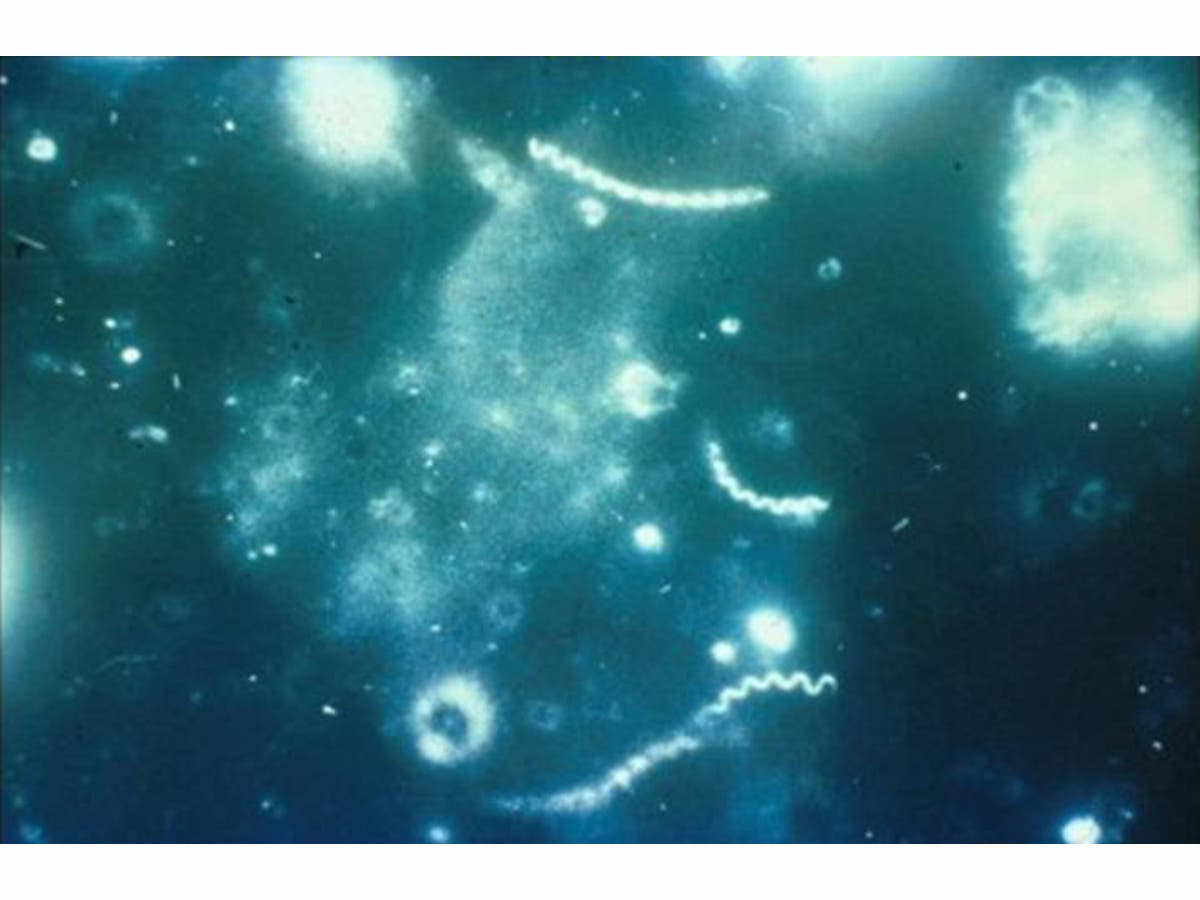
Syphilis is caused by infection with the Treponema pallidum bacterium, and it can be transmitted through vaginal, anal, and oral sex. Syphilis is divided into stages (primary, secondary, latent, and tertiary), and there are different signs and symptoms associated with each stage, according to officials. Primary and secondary are the most common stages. A person with primary syphilis generally has a sore or sores at the original site of infection. These sores usually occur on or around the genitals, around the anus or in the rectum, or in or around the mouth. Symptoms of secondary syphilis include skin rash, swollen lymph nodes, and fever. The signs and symptoms of primary and secondary syphilis can be mild, and they might not be noticed. Syphilis can also cause a central nervous system or eye infection at any stage of disease.
Prevention for STDs includes abstinence, getting tested before beginning a relationship with a new partner, limiting the number of sex partners, and using condoms every time. Treating infections with appropriate antibiotics is also important for stopping the spread of STDs.
For more information on syphilis, visit the Centers for Disease Control and Prevention at cdc.gov/std/syphilis/.
Photo courtesy of the CDC.
Get more local news delivered straight to your inbox. Sign up for free Patch newsletters and alerts.