Health & Fitness
Definitions of Child Abuse and Neglect
At the Federal level, the Child Abuse Prevention and Treatment Act (CAPTA) defines child abuse and neglect
Definitions of Child Abuse and Neglect
Child abuse and neglect are defined by Federal and State laws. At the State level, child abuse and
neglect may be defined in both civil and criminal statutes. This publication presents civil definitions
that determine the grounds for intervention by State child protective agencies.
1 At the Federal level, the Child Abuse Prevention and Treatment Act (CAPTA) defines child abuse and neglect as:
Any recent act or failure to act on the part of a parent or caretaker, which results in death, serious physical or emotional harm, sexual abuse, or
exploitation, or an act or failure to act which presents an imminent risk of serious harm 2 The CAPTA definition of sexual abuse includes: The employment, use, persuasion, inducement, enticement, or coercion of any child to engage in, or assist any other person to engage in, any sexually explicit conduct or simulation of such conduct for the purpose of producing a visual depiction of such conduct; or The rape, and in cases of caretaker or interfamilial relationships, statutory rape, molestation, prostitution, or other form of sexual exploitation of children, or incest with children 3 Types of Abuse Nearly all States, the District of Columbia, American Samoa, Guam, the Northern Mariana Islands, Puerto Rico, and the U.S. Virgin Islands provide civil definitions of child abuse and neglect in statute. 4 States recognize the different types of abuse in their definitions, including physical abuse, neglect, sexual abuse, and emotional abuse. Some States also provide definitions in statute for parental substance abuse and/or for abandonment as child abuse.
Physical Abuse
Physical abuse is generally defined as “any nonaccidental physical injury to the child” and can include striking, kicking, burning, or biting the child, or any action that results in a physical impairment of the child. In approximately 38 States and American Samoa, Guam, the Northern Mariana Islands, Puerto Rico, and the Virgin Islands, the definition of abuse also includes acts or circumstances that threaten the child with harm or create a substantial risk of harm to the child’s health or welfare. 5
Neglect
Neglect is frequently defined as the failure of a parent or other person with responsibility for the child to provide needed food, clothing, shelter, medical care, or supervision to the degree that the child’s health, safety, and well-being are threatened with harm. Approximately 24 States, the District of Columbia, American Samoa, Puerto Rico, and the Virgin Islands include failure to educate the child as required by law in their definition of neglect. 6 Seven States specifically define medical neglect as failing to provide any special medical treatment or mental health care needed by the child. 7 In addition, four States define medical neglect as the withholding of medical treatment or nutrition from disabled infants with life-threatening conditions. 8
Sexual Abuse/Exploitation
All States include sexual abuse in their definitions of child abuse. Some States refer in general terms to sexual abuse, while others specify various acts as sexual abuse. Sexual exploitation is an
element of the definition of sexual abuse in most jurisdictions. Sexual exploitation includes allowing the child to engage in prostitution or in the production of child pornography.
Emotional Abuse
Almost all States, the District of Columbia, American Samoa,
Guam, the Northern Mariana Islands, Puerto Rico, and the Virgin Islands include emotional maltreatment as part of their
definitions of abuse or neglect. 9 Approximately 32 States, the
District of Columbia, the Northern Mariana Islands, and Puerto Rico provide specific definitions of emotional abuse or mental
injury to a child.
10 Typical language used in these definitions is “injury to the psychological capacity or emotional stability of the child as evidenced by an observable or substantial change in behavior, emotional response, or cognition” and injury as
evidenced by “anxiety, depression, withdrawal, or aggressive behavior.”
Parental Substance Abuse
Parental substance abuse is an element of the definition of
child abuse or neglect in some States. 11 Circumstances that are considered abuse or neglect in some States include:
• Prenatal exposure of a child to harm due to the mother’s use of an illegal drug or other substance (14 States and the District of Columbia)
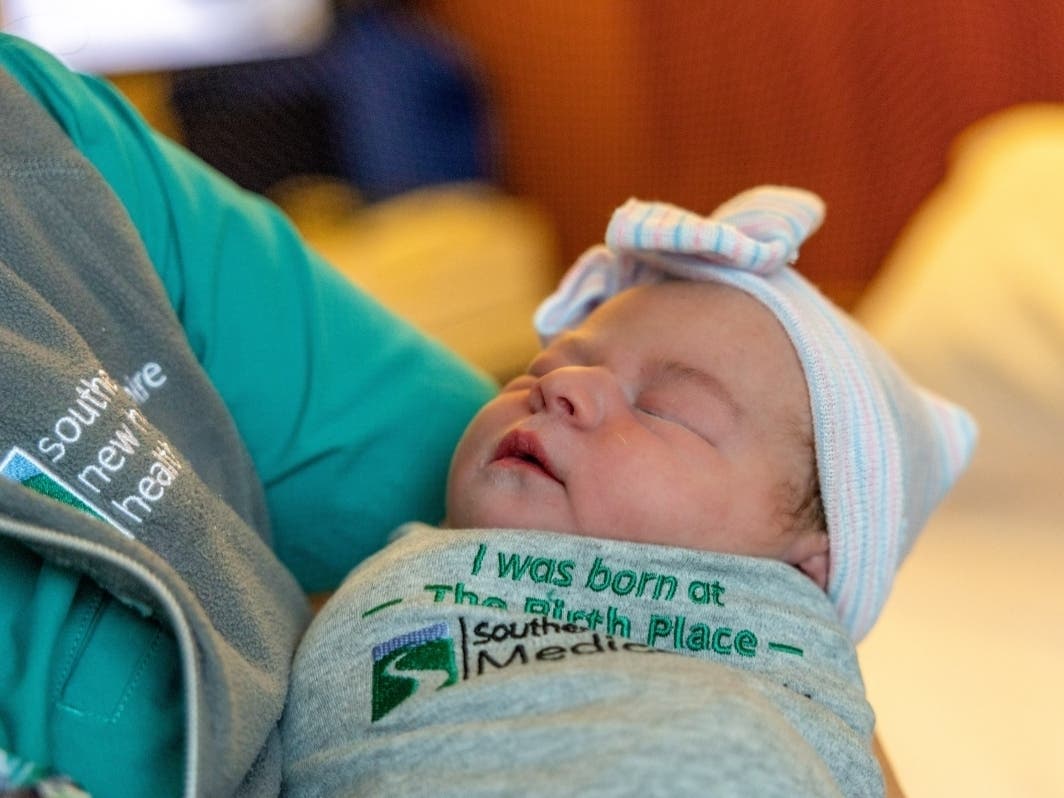
12 (Notice how New Hampshire is not one of these States, yet they definitely DO remove newborn's from the Mother's care due to "alleged" Prenatal drug exposure.)
• Manufacture of a controlled substance in the presence of a
child or on the premises occupied by a child (10 States) 13
• Allowing a child to be present where the chemicals or equipment for the manufacture of controlled substances are used or stored (three States)
14
• Selling, distributing, or giving drugs or alcohol to a child seven States and Guam)15
• Use of a controlled substance by a caregiver that impairs the caregiver’s ability to adequately care for the child (seven States)
16
Abandonment
Approximately 17 States and the District of Columbia include abandonment in their definitions of abuse or neglect, generally as a type of neglect.
17 Approximately 18 States, Guam, Puerto Rico, and the Virgin Islands provide definitions for abandonment that are separate from the definition of neglect.18 In general, it is considered abandonment of the child when the parent’s identity or whereabouts are unknown, the child has been left by the parent in circumstances in which the child suffers serious harm, or the parent has failed to maintain contact with the child or to provide reasonable support for a specified period of time.
1 States also may define child abuse and neglect in criminal statutes.
These definitions provide the grounds for the arrest and prosecution
of the offenders. For information on the criminal aspects of child abuse
and neglect, visit the National Center for Prosecution of Child Abuse
website: www.ndaa.org/ncpca_home.html
2 CAPTA Reauthorization Act of 2010 (P.L. 111-320), § 3.
3 42 U.S.C.A. § 5106g(4) (2010).
4 Massachusetts defines child abuse and neglect in regulation.
5 The word approximately is used to stress the fact that the States frequently amend
their laws. This information is current through February 2011. The States are Alabama,
Alaska, Arkansas, California, Colorado, Florida, Hawaii, Illinois, Indiana, Kansas, Kentucky,
Louisiana, Maine, Maryland, Massachusetts, Michigan, Minnesota, Montana, Nebraska,
Nevada, New Jersey, New Mexico, New York, North Carolina, Ohio, Oklahoma, Oregon,
Pennsylvania, Rhode Island, South Carolina, Tennessee, Texas, Utah, Vermont, Virginia,
West Virginia, Wisconsin, and Wyoming.
6 The States that define “failure to educate” as neglect include Arkansas, Colorado,
Connecticut, Delaware, Idaho, Indiana, Kentucky, Maine, Minnesota, Mississippi, Missouri,
Montana, Nevada, New Hampshire, New Jersey, New Mexico, New York, North Dakota,
Ohio, South Carolina, South Dakota, Utah, West Virginia, and Wyoming.
7 Mississippi, North Dakota, Ohio, Oklahoma, Tennessee, Texas, and West Virginia.
8 Indiana, Kansas, Minnesota, and Montana.
9 All States except Georgia and Washington.
10 Alaska, Arizona, Arkansas, California, Colorado, Delaware, Florida, Hawaii, Idaho, Iowa,
Kansas, Kentucky, Maine, Maryland, Massachusetts, Minnesota, Montana, Nevada, New
Hampshire, New York, North Carolina, Ohio, Oregon, Pennsylvania, Rhode Island, South
Carolina, South Dakota, Tennessee, Texas, Vermont, Wisconsin, and Wyoming.
11 For summaries of statutes and a more complete discussion of this issue, see Child
Welfare Information Gateway’s Parental Drug Use as Child Abuse: www.childwelfare.gov/
systemwide/laws_policies/statutes/drugexposed.cfm
12 Arizona, Arkansas, Colorado, Illinois, Indiana, Iowa, Louisiana, Massachusetts,
Minnesota, North Dakota, Oklahoma, Oregon, South Dakota, and Wisconsin.
13 Colorado, Indiana, Iowa, Montana, Ohio, Oregon, South Dakota, Tennessee, Virginia,
and Washington.
14 Arizona, Arkansas, and Washington.
15 Arkansas, Florida, Hawaii, Illinois, Minnesota, Ohio, and Texas.
16 California, Delaware, Kentucky, Minnesota, New York, Rhode Island, and Texas.
17 California, Colorado, Connecticut, Illinois, Kentucky, Louisiana, Minnesota, Nevada,
New Jersey, North Carolina, Rhode Island, South Dakota, Utah, Vermont, Virginia, West
Virginia, and Wyoming.
18 Arizona, Arkansas, Florida, Idaho, Indiana, Kansas, Maine, Massachusetts, Montana,
Nebraska, New Hampshire, New Mexico, New York, North Dakota, Ohio, Oklahoma,
South Carolina, and Texas.
19 Arkansas, Florida, Kansas, Louisiana, Massachusetts, New Hampshire, North Dakota,
Pennsylvania, Texas, Washington, West Virginia, and Wisconsin.
20 Arkansas, California, Colorado, Florida, Georgia, Indiana, Minnesota, Mississippi,
Missouri, Ohio, Oklahoma, Oregon, South Carolina, Texas, Utah, and Washington.
21 Alabama, Alaska, California, Colorado, Delaware, Florida, Georgia, Idaho, Illinois,
Indiana, Iowa, Kansas, Kentucky, Louisiana, Maine, Michigan, Minnesota, Mississippi,
Missouri, Montana, Nevada, New Hampshire, New Jersey, New Mexico, Ohio, Oklahoma,
Pennsylvania, Utah, Vermont, Virginia, and Wyoming.
22 Alabama, Colorado, Florida, Idaho, Indiana, Iowa, Kansas, Kentucky, Louisiana,
Michigan, Missouri, Montana, Nevada, Ohio, Oklahoma, and Pennsylvania.
23 Arizona, Connecticut, and Washington.
24 Michigan, Minnesota, Missouri, Ohio, and Oklahoma.
Read More at the above Link: