Health & Fitness
Last Minute Talks on the Fiscal Cliff (Howard Dean: Conservative?)
The Sunday morning talks shows offered a revealing glimpse into the politics and the paralysis of Washington, from the short-term fiscal cliff to the long-term debt and deficit problems still in tow.

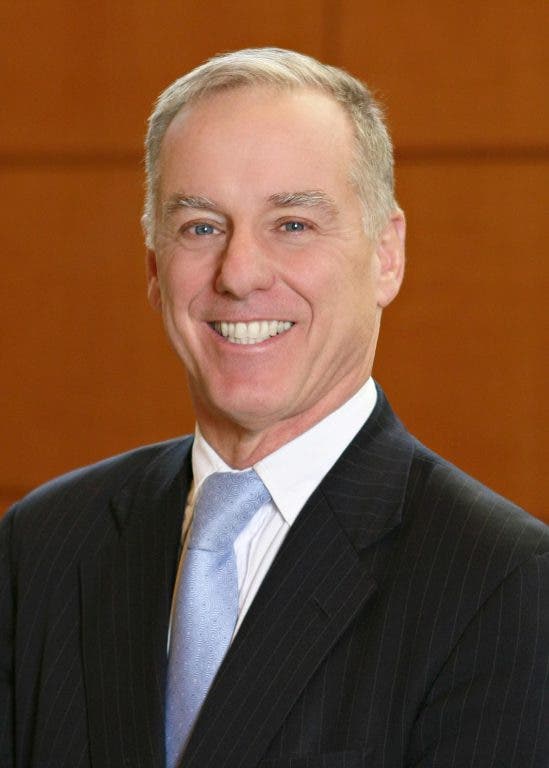
On The December 30th edition of "This Week", Former Vermont Governor Howard Dean joined with editors from Politico and Vanity Fair along with Tim Pawlenty, former governor of Minnesota. They discussed the paralysis in Washington which has prevented Congress from passing legislation to avert the "fiscal cliff". Early in the discussion, Governor Pawlenty could not resist jabbing at Governor Dean for his "scream" after his poor showing in the 2004 Iowa caucuses. Dean had a healthy sense of humor, and his fiscal and political sense about the fiscal cliff soared above the jokes and the frustration. In effect, Dean said: "Let's go over the cliff."
Has Dean turned into a limited government conservative? He sure sounded like one that morning. Arguing his support for "going over the fiscal cliff", Dean reminded everyone of the massive sequester that will excise $600 billion in federal spending, a huge cut that will delay the debt ceiling debate and prove to voters that Washington can cut spending. He also talked about deficit reduction, short-term and long-term, that this country needs. Beyond the automatic spending cuts, the tax increases that will hit every income earner in the country will give voters enough of a jolt to reassess the girth and growth of government in their lives.
Also on the "This Week" round table, a frank assessment of House Speaker John Boehner (R-Ohio) surfaced. Pawlenty stood up for the Speaker, acknowledging the difficult task ahead of him with a divided party which wants real cuts, yet wants to win elections. Dean chided Pawlenty and submitted that Boehner has not done a good job of rounding up his caucus. Boehner's Plan B failed in part because he announced his bill before getting the back, while former House Speaker Nancy Pelosi went about "twisting arms first" before she advanced Obamacare.
Find out what's happening in Nashuafor free with the latest updates from Patch.
Later on, the Tea Party rising star Raul Labrador (R-Idaho) commented, sparing with Democratic House leader Chris Van Hollen (D-Maryland). Labrador reiterated that his party is willing to permit spending increases, but not without cuts. He outlined the litany of disappointing outcomes from the Reagan and the Bush administrations, in which taxes were raised, but the spending cuts never materialized. The Tea Party caucus came to Washington and refused to budge on spending precisely because of this precedent of "raise taxes now, cut spending ten years from now." Unlike other leaders, Labrador acknowledges that the GOP is divided, but his candor not to budge on principle should inspire more than disgust American voters.
On the December 30th edition of "Meet the Press", Senator Tom Coburn (R-Oklahoma) reminded viewers that despite the massive negatives which will stagger over the country after falling off the fiscal cliff, the American people will finally understand the cost of government, and demand leadership in Washington. Unlike Congress or the news media programs, Senator Coburn acknowledged the much-needed spirit of leadership in Washington, one which makes political sacrifices for the sake of the country.
Find out what's happening in Nashuafor free with the latest updates from Patch.
Joining Coburn on "Face the Nation", Senator Richard Durbin (D-Illinois) hammered the same liberal talking points from the : the Republicans are defending the interests of the top 2%, and they are willing to sacrifice the well-being of the middle and working class voters in this country. It's disturbing and appalling that conservatives, Republican fiscal hawks, and media pundits refuse to pounce on this smear. Kevin McCarthy (R-CA), the majority whip in the House of Representatives, has released interviews from struggling small businesses throughout the country. A tax increase on income earners above $250k per annum would cripple small businesses and civil servants, middle class and millionaires.
Labrador, Coburn, and Dean share a sense of agreement on one issue: the federal government has got to stop spending money that the government does not have. Bipartisanship is possible, after all, if the liberal leader of the Democratic Party and a Tea Party ally can agree on something.
Perhaps Governor Dean would like to run for office, with House Rep Raul Labrador as his Vice President, and Senator Coburn as Secretary of the Treasury. Dean's calculation about the fiscal cliff is accurate and far-seeing, and Labrador's integrity to resist revenue increase without cuts is admirable. Washington insiders and Main Street outsiders should commend Senator Coburn for rising about the political fray for long-term answers, but our leaders in Washington cannot glibly, seriously consider tax increases as the only way to get our country out of its long-term indebtedness. Coburn indicated that our government will spend the increased revenue on more government, not spending reductions. If past is prologue, his grim and despairing assessment is accurate.