Health & Fitness
The True Cost of Stuff
The corporations making billions in private profit in production and retailing are making the liability public, and along the way, they are creating international moral and ecological crises.
Like many people this holiday season, I am dreading the long waits and added expense of Christmas shopping. Over the years, I’ve incrementally passed the buck to my wife for buying for our kids, many nieces and nephews, and now grandnieces and grandnephews. She was easily convinced to take over the shopping, but I can’t get away from it altogether. I still have to figure out a not so stale idea gift for her (and she very much deserves it with all her running around).
Our family is a lot like everyone else’s in that we enjoy giving and especially getting gifts on Christmas morning. Americans like their “stuff” as George Carlin once poignantly pointed out, and, as a proud American and spoiled Baby Boomer, I must confess, I’m no different.
I was visiting my local bank in Nashua Downtown one Saturday, and as I was dreading the annual agony of Daniel Webster traffic to the mall, it dawned on me, instead I could shop at a couple of local shops in downtown since I was already there. Although the downtown shops don’t offer the bargains that the big box stores do, and they may not have the latest electronic merchandise that everyone just has to have, some of these shops, such as the hardware store, wine shop, and jewelers (as well as others), do offer stuff that make for decent presents.
Find out what's happening in Nashuafor free with the latest updates from Patch.
Many of us mourn the loss of traditional Main Streets as we see businesses there struggle and close down, while at the same time we create huge traffic jams on our way to the big box retailers and department stores. I concede, it is pretty much impossible today for us to do all of our shopping on Main Street, especially with the system of “globalization” that we have created in our pursuit of low prices. There are, however, many hidden costs that we never think about. Our new mantra of “always low prices,“ has impacted our sense of place and community identity. It tears the social fabric of American life, as well as that of other countries.
It used to be that we knew the owners of the places where we shopped, because they lived in our town, they were our friends, and our kids went to school together. Today, we shop in places where we are waited on by anonymous faces who likely commute from far outside the community. The help is usually part-time and transient, and I have never met an owner of any business, large or small, at the mall. I can say that I have met and do know by name some of the owners of small businesses in Nashua Downtown.
Find out what's happening in Nashuafor free with the latest updates from Patch.
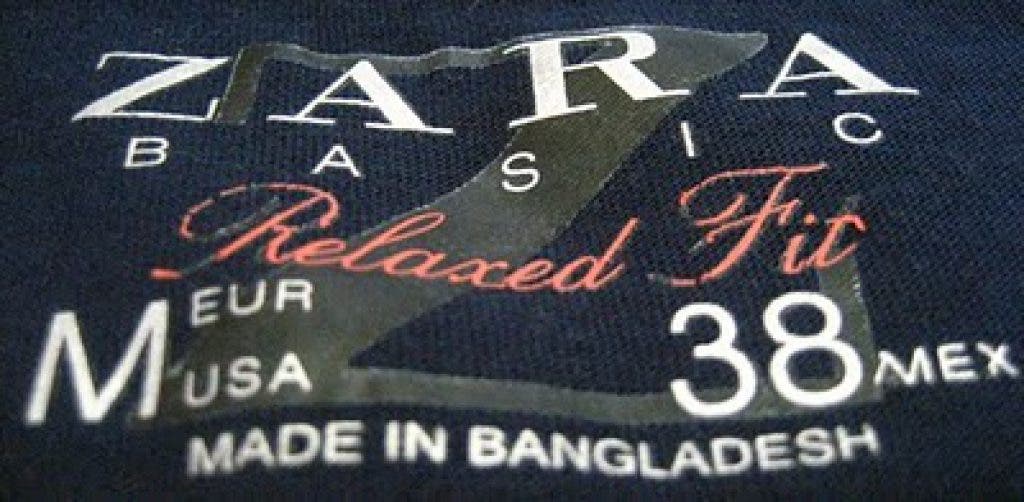
A recent tragedy in the news about a fire at a garment factory in Bangladesh, in which 112 workers were killed, brings to light the fact that we cannot always express in monetary terms the price paid for “always low prices.“ At what cost to humanity are we willing to pay in our pursuit of the lowest possible prices? And why the lack of shame for those in charge of manufacturing and merchandising these products, as they continue to be oblivious to the consequences of such a system? There are thousands of dangerous factories across the Third World producing merchandise for America’s giant retailers and paying workers as low as 21 cents per hour.
Wouldn’t we rather pay an extra five or ten dollars for a shirt than have a father, mother, brother, son, sister, or daughter not come home to their family at the end of a day’s work because the factory owners and the merchandisers were so disgustingly stingy that they refuse to build a factory with basic fire safety precautions?
Managers, owners, and merchandisers spend endless hours thinking about cost and price, but do they really think about the true cost of stuff? Years ago, when I was looking for a house in Nashua, one of the real estate agents showed me a house located around the corner from the former Mohawk Tannery. Luckily, I was familiar with Nashua and a bit savvy about location because the agent didn’t exactly advertise the history of the old, empty building behind the locked fence. I don’t live near there, but I sometimes think about the successive businesses that occupied the site and the commodities they produced.
The profit made at that tannery was private, as is all profit in our free market system, but the toxic mess, the liability, that resulted from all the years of activity was made public, because that site became an EPA Superfund site and taxpayer money, our money, was collectively used for clean up.
So the price of the products from the tannery site never reflected the true cost of the stuff produced. If it did, there would have been money, other than public money, available to dispose of the waste properly. Clean up never happened until the EPA stepped in. I have to concede, much of the activity on the site happened at a time before widespread awareness of the need for proper disposal, but I also have to think that someone at sometime in the history of that site had to have been aware of the consequences of the poison they were handling and the price that future generations would have to pay.
The tannery history makes me realize that the “always low prices” we pay for stuff today at the giant retail stores do not reflect the cost of safe working conditions for workers, decent pay and benefits, or proper disposal of toxins to avoid millions of superfund-type sites across the Third World. The corporations making billions in private profit in production and retailing are making the liability public, and along the way, they are creating international moral and ecological crises.
However, there is a small bit of good news for the new year: Apple recently announced that it will begin manufacturing a line of its computers here in the United States. The bulk of its products will still be manufactured overseas, but at least it’s a start as mounting wage pressures in China force merchandisers to look elsewhere.
The other good news for 2013 is that we averted having a neoconservative in the White House, least we forget so fast our Republican primary candidates falling all over themselves announcing how they would steamroll federal agencies like EPA and OSHA, and eliminate the horrid regulations that keep American workers from being exploited and our environment from being poisoned. As we see these disasters happening all over the world, do we really have to learn these lessons all over again?