Politics & Government
DOJ Fraud Crackdown Nets Four In NH
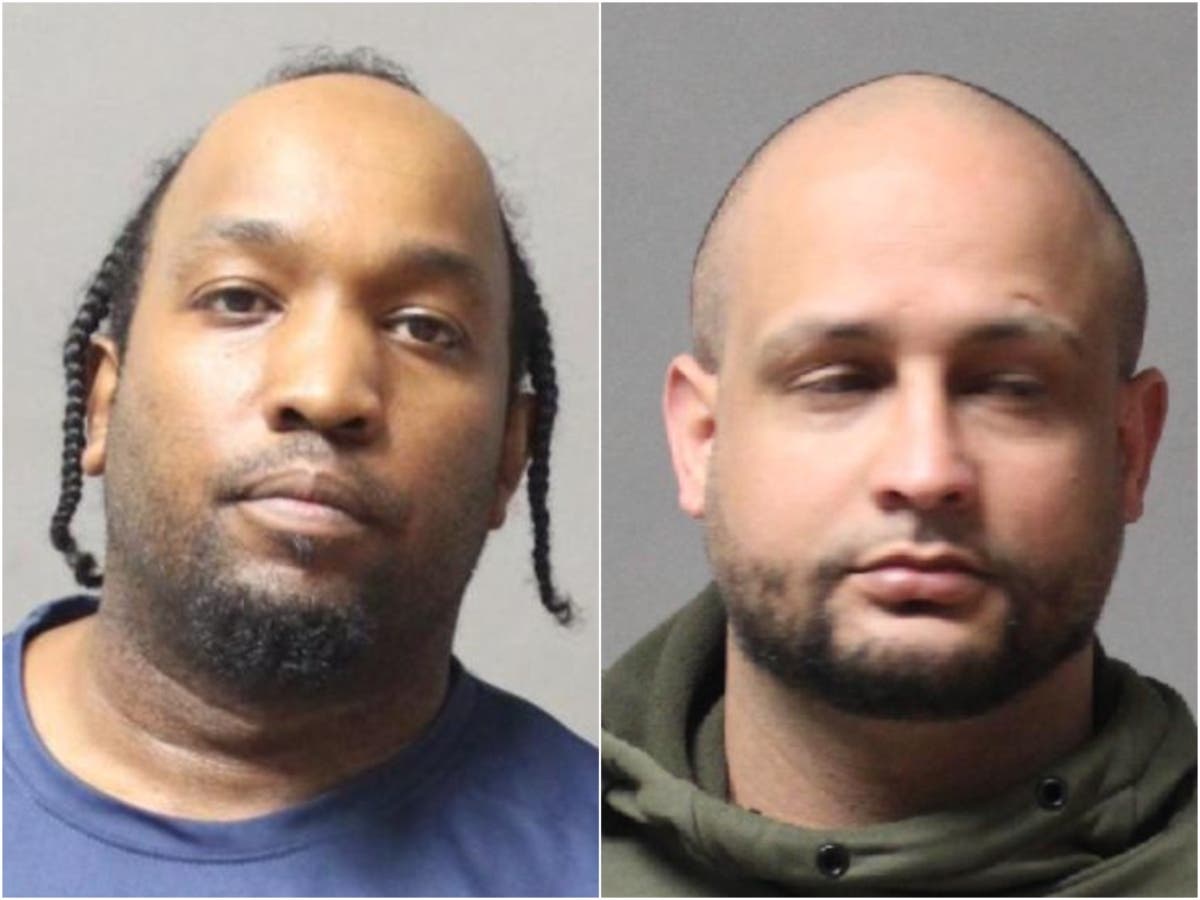
Jesus Gomez of Nashua was one of 455 defendants across the U.S. charged in the 2026 National Health Care Fraud Takedown.

For more than 20 years, Jesus Gomez of Nashua used a stolen U.S. citizen’s identity to defraud taxpayers of $500,000 in Medicare, Medicaid, Social Security, housing, and SNAP benefits, according to federal investigators.
He was one of 455 defendants across the U.S. charged in the 2026 National Health Care Fraud Takedown. They included 90 doctors and other licensed medical professionals charged by the Department of Justice on Tuesday in schemes involving more than $6.5 billion in fraud.
Find out what's happening in Nashuafor free with the latest updates from Patch.
U.S. Attorney Erin Creegan said the four New Hampshire cases involve allegations of Medicare fraud, Medicaid fraud, identity theft, and the diversion of controlled prescription drugs. The cases were brought in 56 federal districts and 45 states and territories, with 50 state Medicaid Fraud Control Units participating.
“Protecting the integrity of our federal health care programs is an important priority,” Creegan said. “The defendants charged today are alleged to have exploited systems meant to care for some of our most vulnerable community members. This conduct not only threatens the financial health of Medicare and Medicaid, it puts real people at risk.”
Find out what's happening in Nashuafor free with the latest updates from Patch.
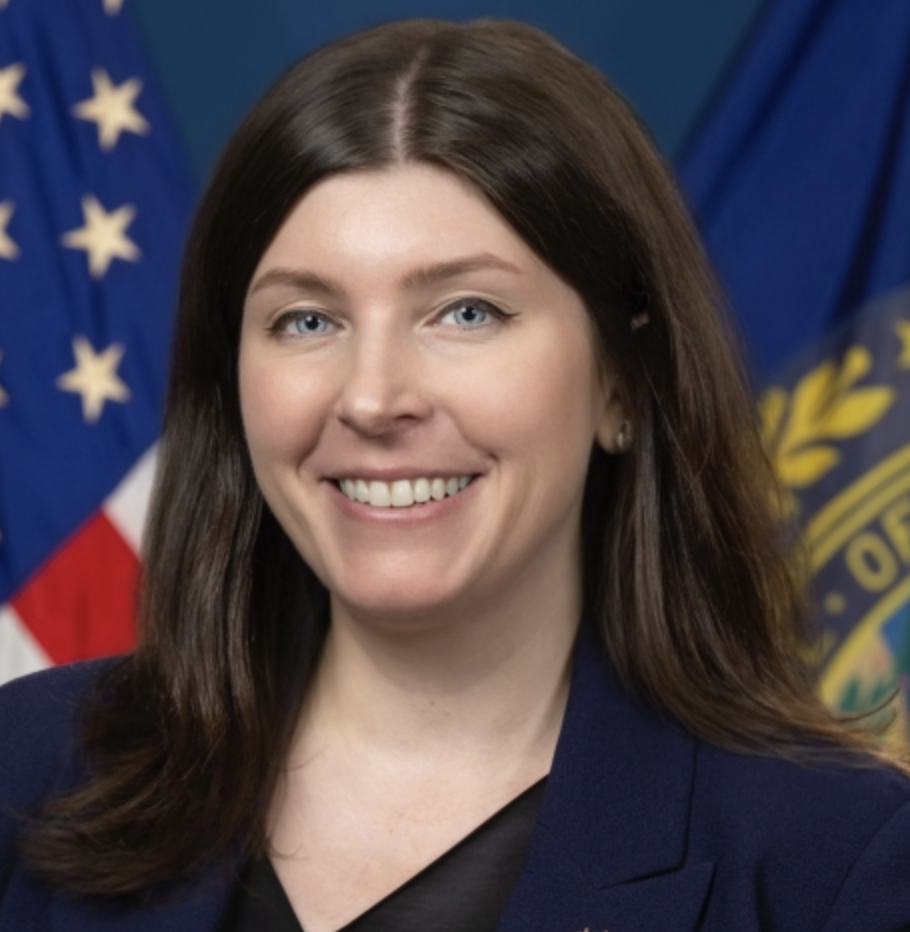 U.S. Attorney for New Hampshire Erin Creegan
Asked what she meant by “putting real people at risk,” Creegan told NHJournal she was limited in what she could say about ongoing cases, but “when somebody diverts drugs, they take medicine out of the pill, then pass the non-medicine on to the consumer. Depending on how vital that medicine is, that can cause serious health complications, and potentially even worse.”
One defendant, Rima Gerges-Maalouf, was charged by information with diverting controlled prescription drugs while working as a pharmacist in New Hampshire.
Prosecutors say Gerges-Maalouf was working as a per diem pharmacist at a pharmacy in northern New Hampshire in August 2024 when she removed medication powder and prescription pills intended for patients and kept them for her own use. The DOJ says she ingested some of the controlled substances while working at the pharmacy and diverted about 147 pills or capsules during the month.
The other two New Hampshire cases are tied to what prosecutors describe as a nationwide durable medical equipment fraud scheme involving nearly $3 billion in Medicare claims. The claims were largely for urinary catheters, prosecutors say, were medically unnecessary, or not provided as represented.
Kakha Bendeliani, 48, of the nation of Georgia, was charged by indictment with conspiracy to commit money laundering in connection with the scheme. Prosecutors say Medicare and Medicare supplemental insurers paid about $12.6 million to Bendeliani’s company, Centennial Med Supply LLC.
Goga Danelia, 37, also of the nation of Georgia, was charged by complaint with conspiracy to commit money laundering in connection with the same alleged scheme.
Prosecutors say Danelia helped Centennial’s nominee owner by providing driving and English translation services while bank accounts were opened, cashier’s checks were withdrawn and deposited, and money was wired overseas. According to the DOJ, at least $13 million was wired abroad from Centennial accounts.
In addition to the charges filed, the DOJ said the national enforcement action resulted in more than $182 million in seized cash, houses, luxury vehicles, jewelry, and other assets.
Republicans across the country have joined the Trump administration in making fraud a top political priority. They point to high-profile cases in California, Maine, and Minnesota where egregious mismanagement and lack of oversight have led to billions in taxpayer losses.
Members of Minnesota’s Somali community with close ties to U.S. Rep. Ilhan Omar and the state’s Democratic Party leadership are under investigation for one of the largest COVID-19 relief fraud schemes in U.S. history, involving the theft of an estimated $350 million from federally funded child nutrition programs.
In Maine, widespread fraud among the Somali community has also been uncovered.
But in New Hampshire, Creegan told NHJournal, the level of fraudulent activity is far lower than in its neighboring states. She credits the state’s culture of transparency and community support.
“We’re constantly looking for indicators of fraud. We were recently looking into a potential lead, and we discovered that Massachusetts had 250 times the number of leads in that particular area than we did,” Creegan said. “Obviously, Massachusetts does not have 250 times the population.”
“I do think it’s the culture of New Hampshire,” Creegan added. “We are beholden to each other; we’re members of the community together. People follow the rules because their friends and neighbors are.”
This story was originally published by the NH Journal, an online news publication dedicated to providing fair, unbiased reporting on, and analysis of, political news of interest to New Hampshire. For more stories from the NH Journal, visit NHJournal.com.