Politics & Government
Ray: New Hampshire Knows About Close Races. Older Voters Will Decide The Next Ones.
Veteran: Beyond protecting Social Security, older voters want to hear concrete plans to lower prescription prices and support caregivers.

Seven hundred sixteen votes.
That was the race-defining margin in the 2016 New Hampshire Senate race. In a state with races that close, Republican candidates can’t afford to overlook any voter bloc. This fall, the bloc that could decide the fate of New Hampshire’s midterms is voters age 50 and older, a group that has shown up at the polls for decades.
Find out what's happening in Nashuafor free with the latest updates from Patch.
New Hampshire is one of the oldest states in the country. Not only is the state tied for the second-highest median age in the nation, but nearly one in four residents is age 65 or older. These are residents who have built their lives in the Granite State, and they don’t sit elections out. In the 2024 election, voters age 50 and older made up 65% of the electorate, and according to a new survey from AARP, that level of engagement isn’t ending anytime soon. Nearly 90% of New Hampshire’s voters age 50 and older in this survey rated their motivation to vote this year as a perfect 10, eclipsing the 69% of younger voters who gave the same rating.
That type of engagement becomes even more important once you examine New Hampshire’s upcoming races more closely. Just a couple of months ago, a University of New Hampshire Survey Center poll showed Republican John E. Sununu with a 2-point lead over his opponent, Chris Pappas, in the Senate race. The AARP survey, however, has Pappas leading the race among all likely voters, with a slim, 1-point advantage among older voters.
Find out what's happening in Nashuafor free with the latest updates from Patch.
As for the state’s race for governor, Gov. Kelly Ayotte commands a 7-point lead over Cinde Warmington, and that gap widens to a massive 17 points among voters age 50 and older. The blueprint for victory in New Hampshire is right here. Sununu’s path to Washington runs through the same voters showing up for Ayotte, and the question is whether he can give those voters the right reasons to show up for him.
That means addressing the greatest concern for New Hampshire’s oldest voters — the cost of living. New Hampshire bears the third-highest property tax burden in the country, a weight that falls the hardest on older residents on fixed incomes. Social Security, which covers roughly 353,000 New Hampshire residents, is what keeps those bills paid. As such, it comes as no surprise that 96% of voters age 50 and older said they’d endorse a candidate dedicated to protecting their hard-earned Social Security.
Beyond protecting Social Security, older voters want to hear concrete plans to lower prescription drug prices and support family caregivers. These are some of the most engaged voters in the state, and they need more than political platitudes and partisan rhetoric. Speaking to these specific issues cuts through the noise and could be what delivers the Senate seat Republicans need to keep control.
Older voters’ votes are on the table for both parties, which is precisely why it’s so important that Republican candidates don’t leave this bloc up for grabs. We’ve already witnessed New Hampshire’s ability to walk between the political aisles when voters reelected Chris Sununu to the governor’s seat in 2022 while also sending Hassan and Pappas to Washington. The recent survey found that two-thirds of split-ticket voters are age 50 and older. Combine that figure with the dynamics of the state’s Senate and gubernatorial races, and it becomes clear how influential voters age 50 and older are for New Hampshire candidates.
Republicans have a straightforward message here that’s rooted in the ideals their platform has represented for decades. Now, the voters who have shown up for the same amount of time need candidates who will show up for them. When they fill in their ballots this November, New Hampshire’s older voters are fighting for reduced costs on prescription drugs, greater support for family caregivers and the assurance they’ll keep the Social Security they’ve spent a lifetime working for.
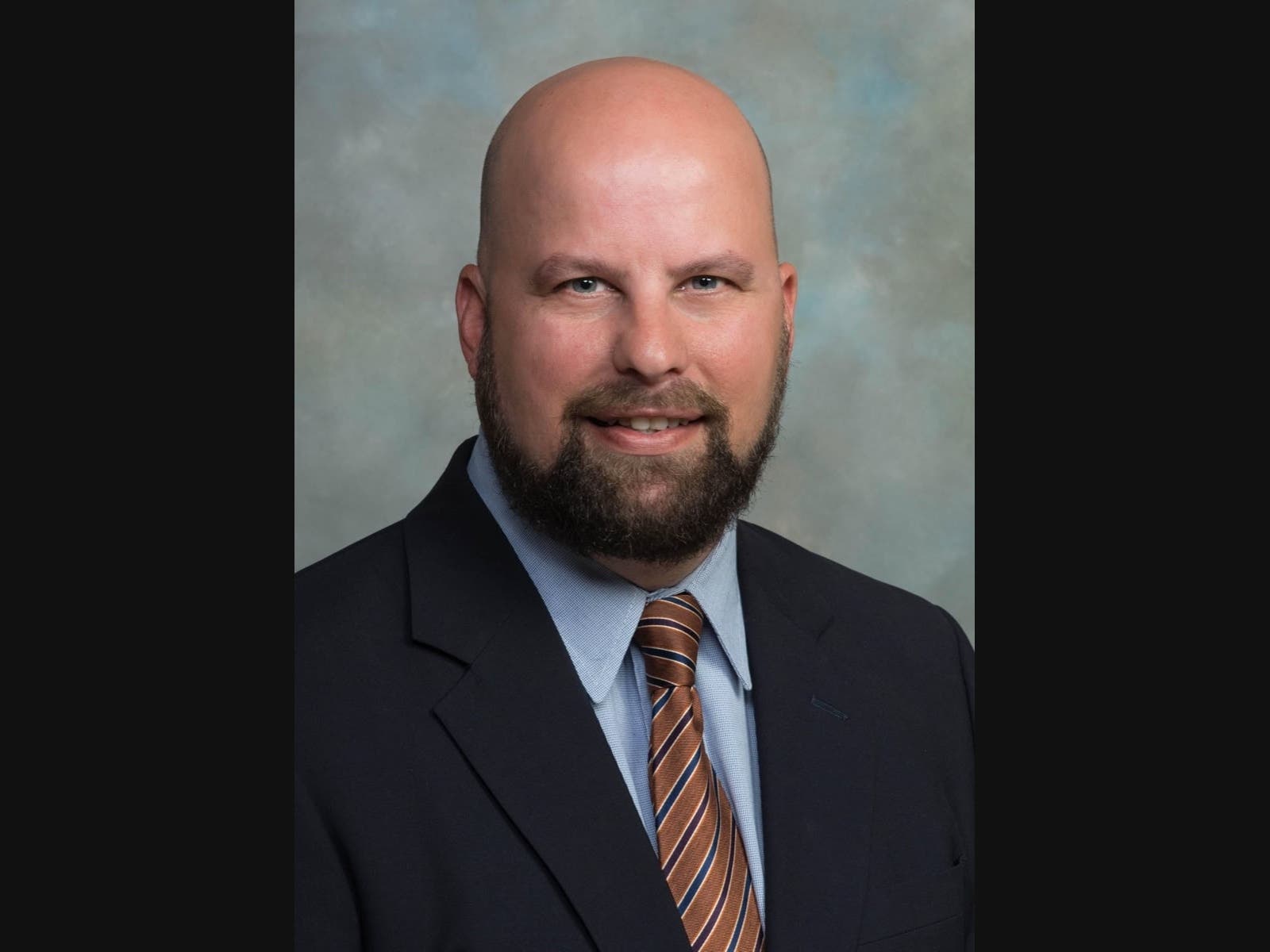
Howard Ray served as a combat soldier in the U.S. Army during Operation Iraqi Freedom and is a survivor of the Fort Hood terrorist shooting. He works in Nashua and lives in Lyndeborough with his wife and five boys. He wrote this for NHJournal.com.
This story was originally published by the NH Journal, an online news publication dedicated to providing fair, unbiased reporting on, and analysis of, political news of interest to New Hampshire. For more stories from the NH Journal, visit NHJournal.com.