Politics & Government
Plastic Bags: Ban, Tax or Recycle?
New Hampshire Agricultural Experiment Station scientists assess success of public policies to reduce plastic bag waste.


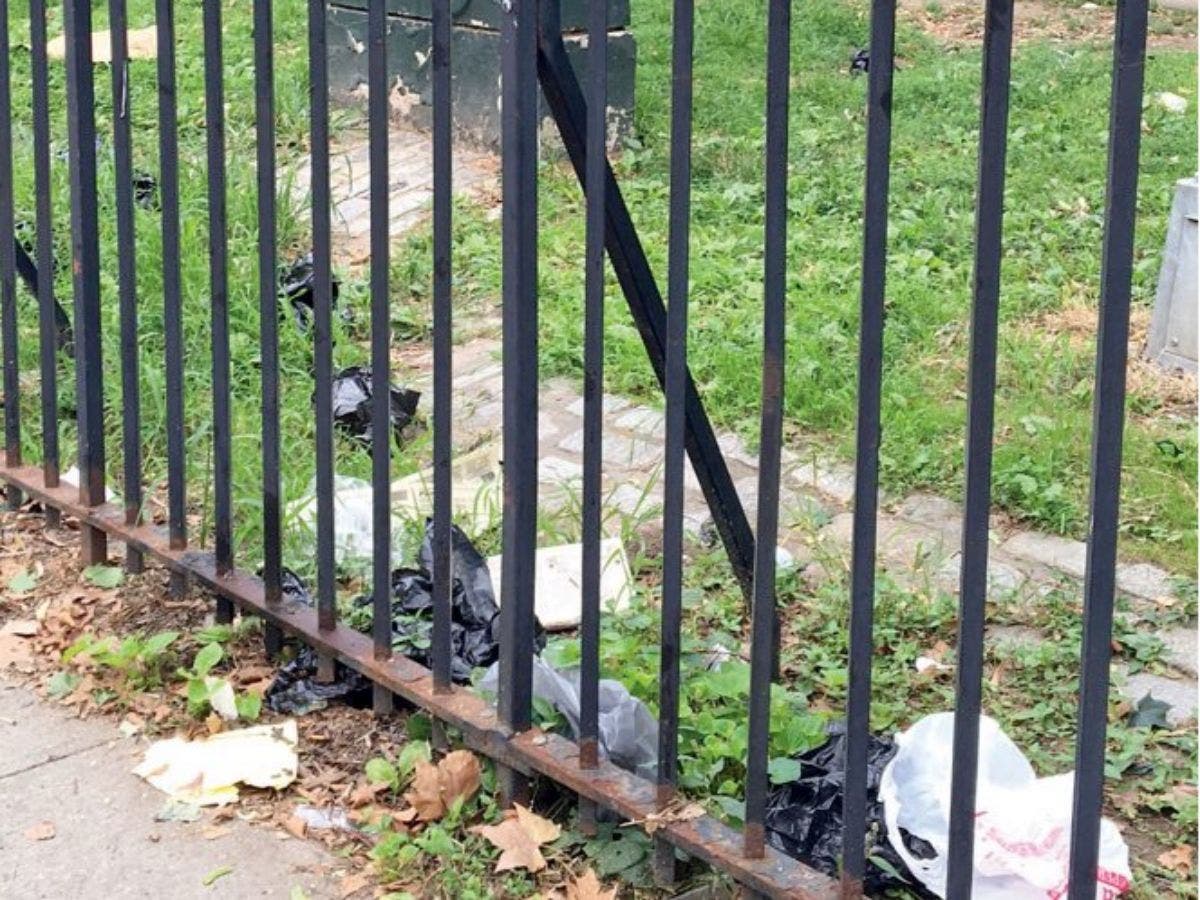
DURHAM, NH — Each year, Americans use more than 100 billion plastic bags, most of which are thrown away and end up in landfills or on the side of the road. As a result, local, state, and national governments are working to reduce plastic bag waste, with approaches ranging from supporting recycling efforts and using compostable bags to levying taxes and outright banning the use of plastic bags.
New research conducted by the University of New Hampshire has found that while all polices aimed at reducing plastic bag waste had their pros and cons, reducing plastic bag usage was most successful when taxes on bags were high enough to trigger a behavior change, according to a press statement. New Hampshire Agricultural Experiment Station researcher John Halstead, professor of environmental and resource economics, and Megan McLaughlin, assistant town planner in Old Orchard Beach, Maine, and a UNH graduate of the resource administration and management program, present their findings in “The Ubiquitous Plastic Bag – And What to Do” in BioCycle.
“Each policy measure has advantages and disadvantages. Fees had a mostly desired effect on plastic bag usage. A tax on bags needs to be set high enough that consumers will change their behavior,” the researchers said. “If the goal is to get rid of plastic bags completely from the environment, a ban works the best. A take-back/recycling program needs to be accompanied with an education program to make it a habit for consumers,” they said.
Find out what's happening in Portsmouthfor free with the latest updates from Patch.
Read the full report here: colsa.unh.edu/nhaes/article/2016/09/plasticbags.
Submitted by Lori Wright.
Find out what's happening in Portsmouthfor free with the latest updates from Patch.
Get more local news delivered straight to your inbox. Sign up for free Patch newsletters and alerts.