July 11, 2012 marked the 17th anniversary of the fall of the city Srebrenica, where some 8,000 Muslim men and boys were killed during the worst acts of mass atrocity Europe had seen since World War II. Having for a two week service learning trip, I posted an article about Screbrenica on my Facebook, both to acknowledge the anniversary of the tragic events and to hopefully inspire a little further reading to my peers.
Shortly after, a friend commented "I smell the new Kony 2012..." At first, I ignored the comment. How could I possibly sum up the importance of the anniversary of Srebrenica or talk about the horrifying first-hand accounts I heard during my own trip in some short reply? I simply couldn't.
But in the days since the comment was posted, it's been increasingly bothersome to me. I quickly realized that our generation has a 30-second mindset, and we'll rally behind anything, so long as it doesn't take up too much of our time.
Find out what's happening in Windhamfor free with the latest updates from Patch.
The Kony 2012 campaign, which quickly rose to fame then disappeared on college campuses and online, is the perfect example, despite it's good intentions. It aimed at targeting Joseph Kony, the leader of the Lord's Resistance Army in Uganda, which has exploited child soldiers, held sex-slaves, and committed countless other crimes against humanity. But what students seem to forget is, Kony's been committing these crimes since 1986.
Where was all of this grassroots condemnation during the first 25 years of Kony's horrific behavior? The fact is, it didn't exist.
Find out what's happening in Windhamfor free with the latest updates from Patch.
With a smart marketing team, a heartwrenching documentary, and some catchy slogans, Invisible Children managed to "make Kony famous," for a few weeks anyway. But now that everyone's shared the documentary and attended a screening at their campus, it's time for the next cause.
I'll admit, before my own experience witnessing the very real and lasting effects of mass atrocity, I had no idea what people around the world face each and every day; in fact, to some extent, I never will. But by simply sharing a video for a few weeks, we're not making any progress in eliminating these crimes.
This single comment, this idea that the memory of Srebrenica may too become a fad that comes and goes was heartwrenching to me.
How can the newly found remains of 520 genocide victims buried on the 17th anniversary of Srebrenica be a fad?
What about the women left with nothing, not even the remains of their husbands and sons?
What about the young women and girls who spent months enduring abuse in rape camps?
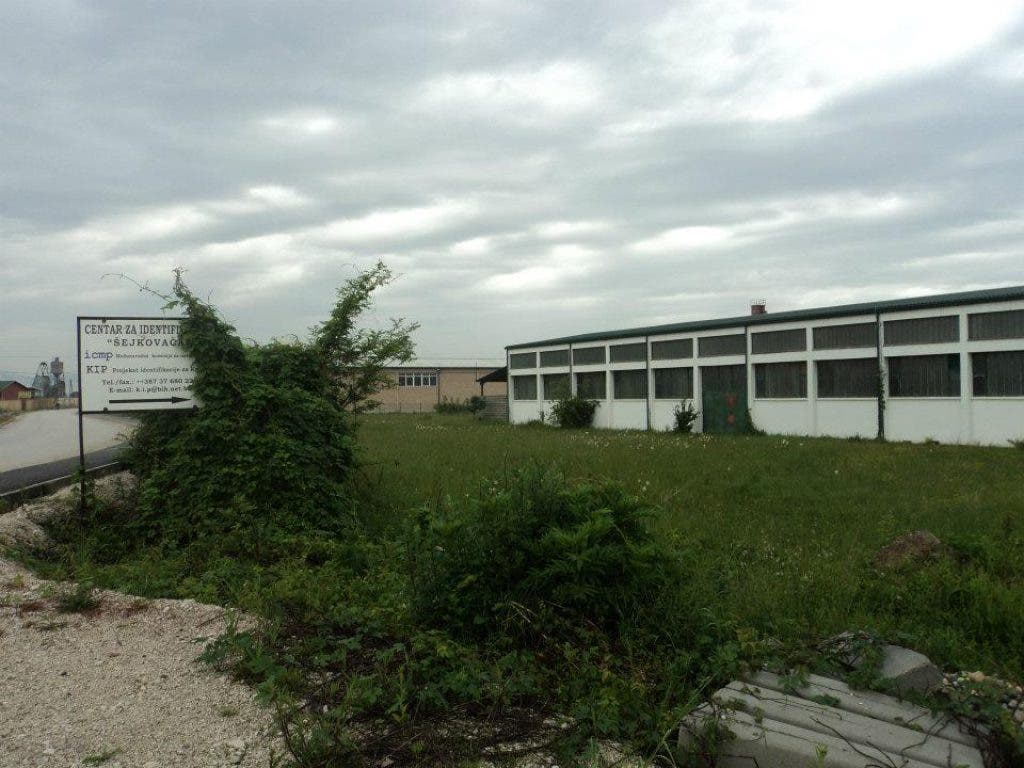
What about the identification centers, still collecting DNA samples from the living in hopes of matching a few bones found in recently discovered mass graves?
And the nearly 12,000 people who died during the four-year siege of Sarajevo, the longest siege in history which rained shells on the city daily?
The people of Bosnia and their pains are not an internet phenomenon, and neither are those of others worldwide living through the worst this planet has to offer.
Every single day, people around the world, and in our own country, are suffering. From sickness and from death. From war, starvation, and poverty. From mass atrocity and abuse. We can't possibly all rally behind each of those tragic issues, however we can pick our own cause and we can dedicate ourselves to real change.
It's time for the internet generation to reach beyond our keyboards and engage ourselves in something more meaningful. We need to fundraise, volunteer, advocate for, and do whatever else we can to support a cause which hits home for us. If we manage that, we'll be able to make a real impact in this world.