Crime & Safety
Preparing for Sandy: What's In Your Emergency Storm Kit?
Having a disaster kit together is one of the top recommendations of emergency planners as the 2012 hurricane season nears. But just what should you put into a kit?


We don't get a lot of hurricane warnings in this area, but our winter storms can sure pack a wallop. The survival skill-set is pretty much the same, whether you are the victim of big winds and walls of water, or big winds and walls of frozen water.
Roads become impassable, power gets knocked out, houses go dark and, in New Hampshire, they get very cold.
On Tuesday, Hurricane Sandy is expected to land, a hybrid hurricane/nor'easter that, without a doubt, will do some damage.
Find out what's happening in Windhamfor free with the latest updates from Patch.
If you have elderly or ailing relatives or neighbors, make sure they are prepared for emergency and have what they need, and definitely make sure they aren't alone during a prolonged storm.
Having a disaster kit together is one of the top recommendations of emergency planners. But just what should you put into a kit?
Find out what's happening in Windhamfor free with the latest updates from Patch.
- Water. Have at least one gallon for each person for up to seven days.
- Food. Make sure to have nonperishable food items for up to seven days for each person in the household. Be sure to include a hand can opener and paper or plastic plates and utensils. It’s also a good idea to store snacks, specialty foods for infants or seniors and cooking utensils.
- Pet food/supplies.
- First aid supplies, as well as items to care for any babies, special needs or elderly people in the household.
- Blankets and pillows.
- Clothes.
- Toiletries.
- Flashlights/lanterns and batteries.
- A battery-operated radio or weather radio.
- Charged mobile phones (extra batteries are a good idea, too).
- Cash.
- Keys.
- Tools/Swiss Army Knife.
- Generator.
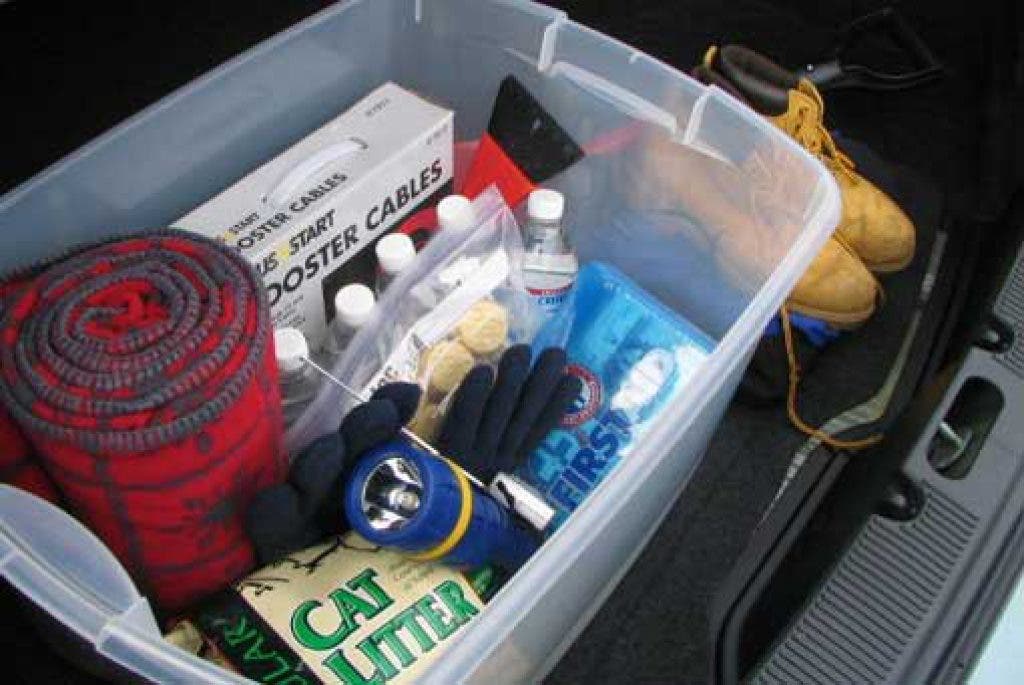
Similarly, you should have a winter emergency car kit handy whenever you travel. You never know where you'll be when a storm hits:
- a shovel
- windshield scraper and small broom
- flashlight with extra batteries
- battery powered radio
- water
- snack food including energy bars
- raisins and mini candy bars
- matches and small candles
- extra hats, socks and mittens
- First aid kit with pocket knife
- Necessary medications
- blankets or sleeping bag
- tow chain or rope
- road salt, sand, or cat litter for traction
- booster cables
- emergency flares and reflectors
- fluorescent distress flag and whistle to attract attention
- Cell phone adapter to plug into lighter
- AC/DC adapter to plug into lighter to power small appliances, computer laptops, or multiple cell phones.
And of course, for worst-case scenario situations, it's good to at least go over the following information in your mind (like you do every time you watch a disaster movie where people consider eating the less fortunate, come what may).
Kit tips:
- Reverse batteries in flashlight to avoid accidental switching and burnout.
- Store items in the passenger compartment in case the trunk is jammed or frozen shut.
- Choose small packages of food that you can eat hot or cold.
911 tips:
- If possible, call 911 on your cell phone. Provide your location, condition of everyone in the vehicle and the problem you're experiencing.
- Follow instructions: you may be told to stay where you are until help arrives.
- Do not hang up until you know who you have spoken with and what will happen next.
- If you must leave the vehicle, write down your name, address, phone number and destination. Place the piece of paper inside the front windshield for someone to see.
Survival tips:
- Prepare your vehicle: Make sure you keep your gas tank at least half full.
- Be easy to find: Tell someone where you are going and the route you will take.
- If stuck: Tie a florescent flag (from your kit) on your antenna or hang it out the window. At night, keep your dome light on. Rescue crews can see a small glow at a distance. To reduce battery drain, use emergency flashers only if you hear approaching vehicles. If you're with someone else, make sure at least one person is awake and keeping watch for help at all times.
- Stay in your vehicle: Walking in a storm can be very dangerous. You might become lost or exhausted. Your vehicle is a good shelter.
- Avoid Overexertion: Shoveling snow or pushing your car takes a lot of effort in storm conditions. Don't risk a heart attack or injury. That work can also make you hot and sweaty. Wet clothing loses insulation value, making you susceptible to hypothermia.
- Fresh Air: It's better to be cold and awake than comfortably warm and sleepy. Snow can plug your vehicle's exhaust system and cause deadly carbon monoxide gas to enter your car. Only run the engine for 10 minutes an hour and make sure the exhaust pipe is free of snow. Keeping a window open a crack while running the engine is also a good idea.
- Don't expect to be comfortable: You want to survive until you're found.
What's in your emergency kit? Tell us in the comments field below.
Get more local news delivered straight to your inbox. Sign up for free Patch newsletters and alerts.