Health & Fitness
COVID Hospitalizations Have Doubled In NJ Since End Of March
New Jersey's COVID hospitalization numbers grew by more than 100 in the past two days, according to state officials.


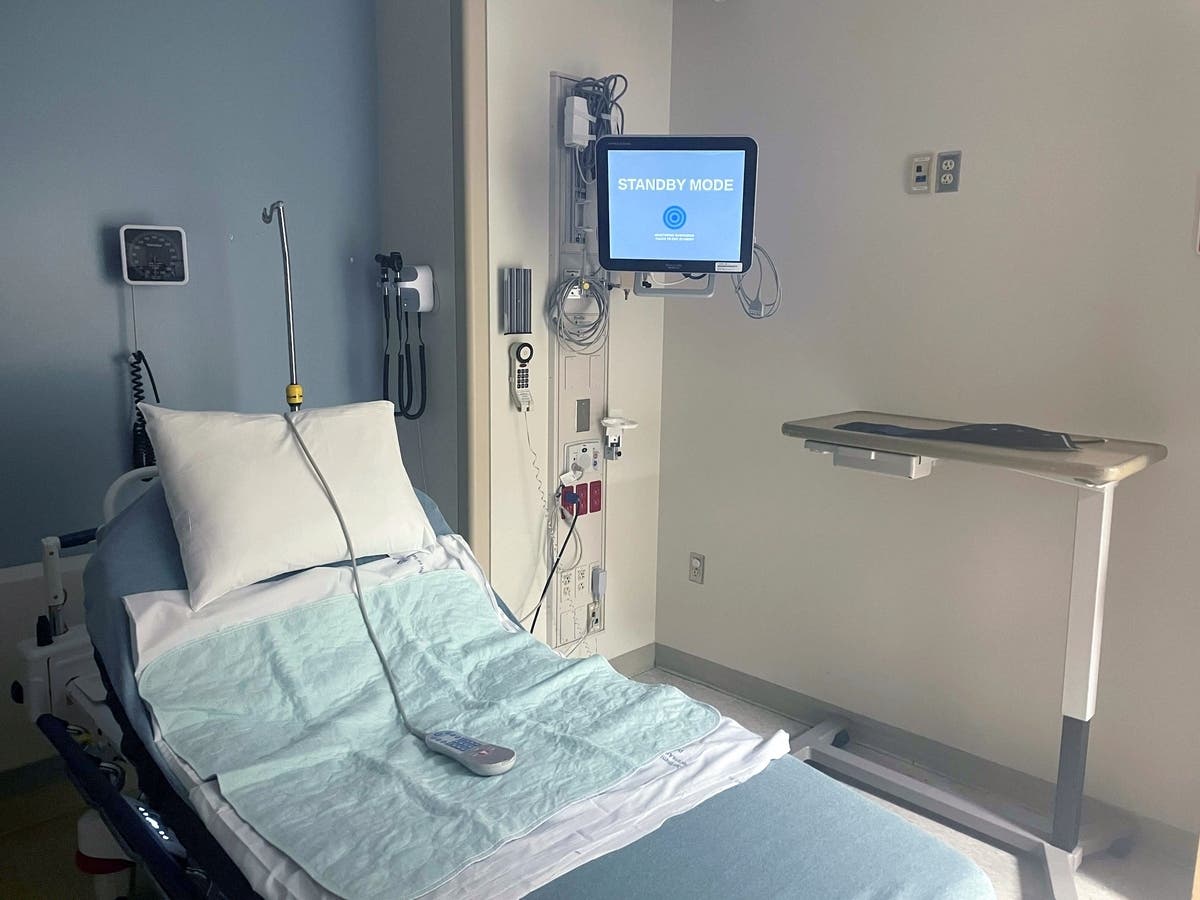
NEW JERSEY — New Jersey has more than twice as many COVID patients in hospitals than it did at the end of March, according to state officials. The state's number of patients in hospitals with the virus grew by more than 100 in the past two days, according to the New Jersey Department of Health.
New Jersey's hospitals had 704 patients with confirmed or suspected COVID as of Wednesday. The state health department reported 339 at the end of March, 481 on April 30 and 617 on Sunday. New Jersey reported 720 hospitalizations Tuesday, but the figure dipped the following day.
So far, New Jersey's steady increase in cases and hospitalizations hasn't approached the strength of the omicron wave that hit the state last winter. In December and January, the state shattered its records for pandemic case totals, peaking at 33,459 infections reported Jan. 11. New Jersey also approached a pandemic record with 6,089 COVID patients hospitalized that day.
Find out what's happening in Across New Jerseyfor free with the latest updates from Patch.
But the state health department has logged 3,000 new cases in four of the past five days. Before last winter's omicron wave, the state had most recently sustained 3,000 daily cases or more in early April 2021.
Noting the uptick in COVID hospitalizations, Gov. Phil Murphy urged people to "continue to protect themselves and their communities by" taking precautions such as getting vaccinated and boosted, getting tested and staying home when sick.
Find out what's happening in Across New Jerseyfor free with the latest updates from Patch.
New Jersey has a transmission rate of 1.22. A transmission rate higher than one means that every new case leads to another new case, signifying a quickening spread of the virus.
Reported case totals provided by health officials don't include results from at-home test kits, which aren't reported to authorities. While the rise in at-home testing has made it easier for many to see if they're positive for the virus, public health experts believe it's contributed to an undercount of cases.
Fifty-one people in New Jersey died from COVID last week, according to the Centers for Disease Control & Prevention.
With more than 1 million COVID deaths tallied in the United States, but new research re-iterates the effectiveness of booster shots for lowering the risk of serious disease and fatalities. Among Americans who died from the virus in January, 31 percent had completed a first vaccination round but hadn't been boosted, according to a KFF analysis of CDC data.
People 65 and older account for about 75 percent of COVID deaths in the U.S. But 1 in 3 Americans in the age group who completed their initial vaccination course have not received their first booster shot. New Jersey has a similar rate of "fully vaccinated" seniors who aren't boosted, according to the CDC.
KFF also determined that 234,000 COVID deaths since June — or 60 percent of adult COVID deaths since that time — could have been prevented through primary-series vaccination. The primary series, which the CDC calls "full vaccination" includes two doses of the Pfizer and Moderna shots or one dose of the Johnson & Johnson vaccine, but no boosters.
But the term "full vaccination" creates confusing public-health messaging, Dr. Eric Topak, founder of the Scripps Research Translational Institute, told NBC News. Topal has called on the CDC to further emphasize the boosters' impact in saving lives.
"The booster program has been botched from Day One," Topol told NBC News. "This is one of the most important issues for the American pandemic, and it has been mismanaged."
Get more local news delivered straight to your inbox. Sign up for free Patch newsletters and alerts.