Neighbor News
The Paperless Manifesto
It's time for the Bernards Township School District to embrace the future and go paperless!
I am a Junior at Ridge High School, and for the over 10 years of my schooling, I have been trapped in the past, my future limited, my chains paper. For years, I have been trying to break free, and I want to discuss how, today.
Technology.
Most of us already interact with technology to a large degree - the future has already permeated through our social life, our entertainment, and even our government - and that’s great… most of the time (looking at you, Putin). However, the one object that has not received enough attention from this future, is the one object that is a glaring reminder of the past. Paper.
Find out what's happening in Basking Ridgefor free with the latest updates from Patch.
Paper is the one thing that holds our generation back from transcending the world our parents gave to us. If we are to make this final leap, we must leave paper behind.
A fantastic place to start doing this is the place paper is used most: School.
Find out what's happening in Basking Ridgefor free with the latest updates from Patch.
Going paperless at schools would solve many problems faced by my fellow students, our teachers, and take a big step in the right direction towards solving our planet’s largest problem, the destruction of the environment.
Let’s start with mankind’s most important commodity, future generations, our students - specifically, their backs.
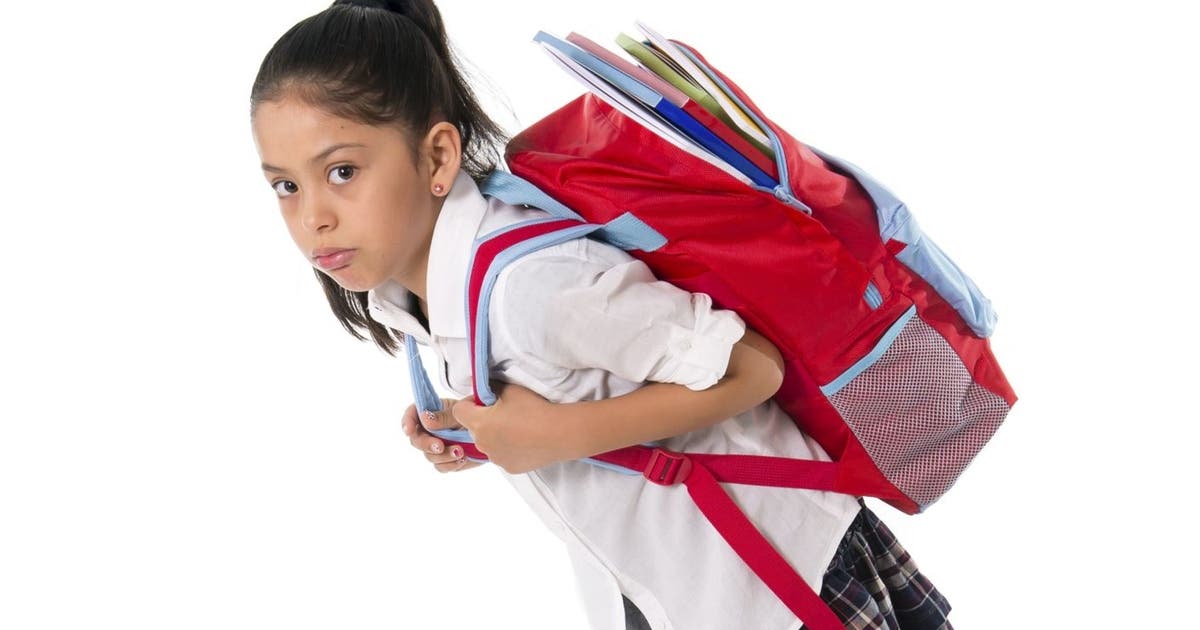
They hurt.
Backpacks weighing over 20% of a student’s body weight sharply increase the probability of serious back pain later in life.
They hurt from the pounds of binders, folders, and textbooks students must carry around each day. Experts from WebMD find that backpacks weighing over 20% of a student’s body weight sharply increase the probability of serious back pain later in life. That translates to about 20-30 pounds for most high schoolers, and judging by some of the backpacks I have seen at my high school, many students are far over that threshold. Going paperless would eliminate these excessively heavy loads, and with them, many future health issues our students may face.
A paperless school system also implies online textbooks and literature books. This is incredibly important, as for the first time in history, students will have the ability to write and annotate their books directly without any damage, allowing for a more direct interaction with the content they are learning.
Paper is also just downright annoying. Unless students spend hours keeping an immaculate and organized binder filing system, it can take FOREVER to find the document they are looking for, which leads to a best case of annoyance, and a worst case of losing credit because they couldn’t find the homework they actually did! People tell me it’s a “you problem” when I bring this up, but let’s be honest; It’s an “all of us” problem.
The solution is easier than we think. Even if our teachers continue to use paper in the classroom, there are measures students can take to break free from these chains.
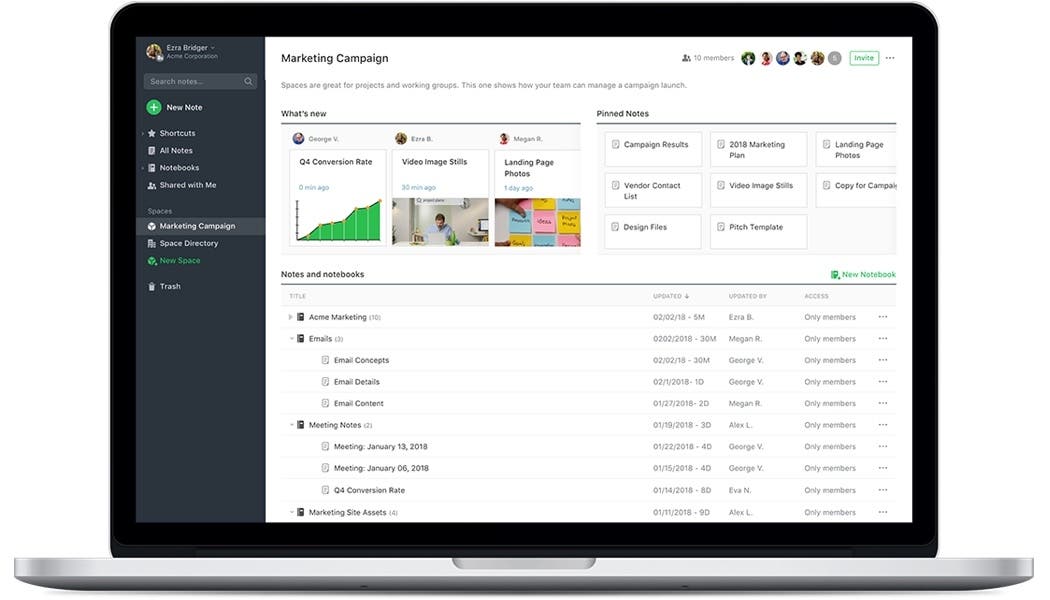
First, by typing. My personal experience, ever since 6th grade, has proven to me that most teachers are not opposed to typing in most circumstances. Now is the time to switch. Apps like Evernote, OneNote, Google Docs, or Notability are just a few examples of a new generation of solutions that will change the way we store information. No more shuffling through pages of a journal or loose leaf paper in a binder, when these technologies take care of the organization for us. Instead of writing homework down in an agenda, use a free homework management app like MyHomework. Instead of writing notes in a notebook, type them in any of the note taking applications mentioned previously. Instead of printing out homework from a teacher’s website, download the document and edit it directly.
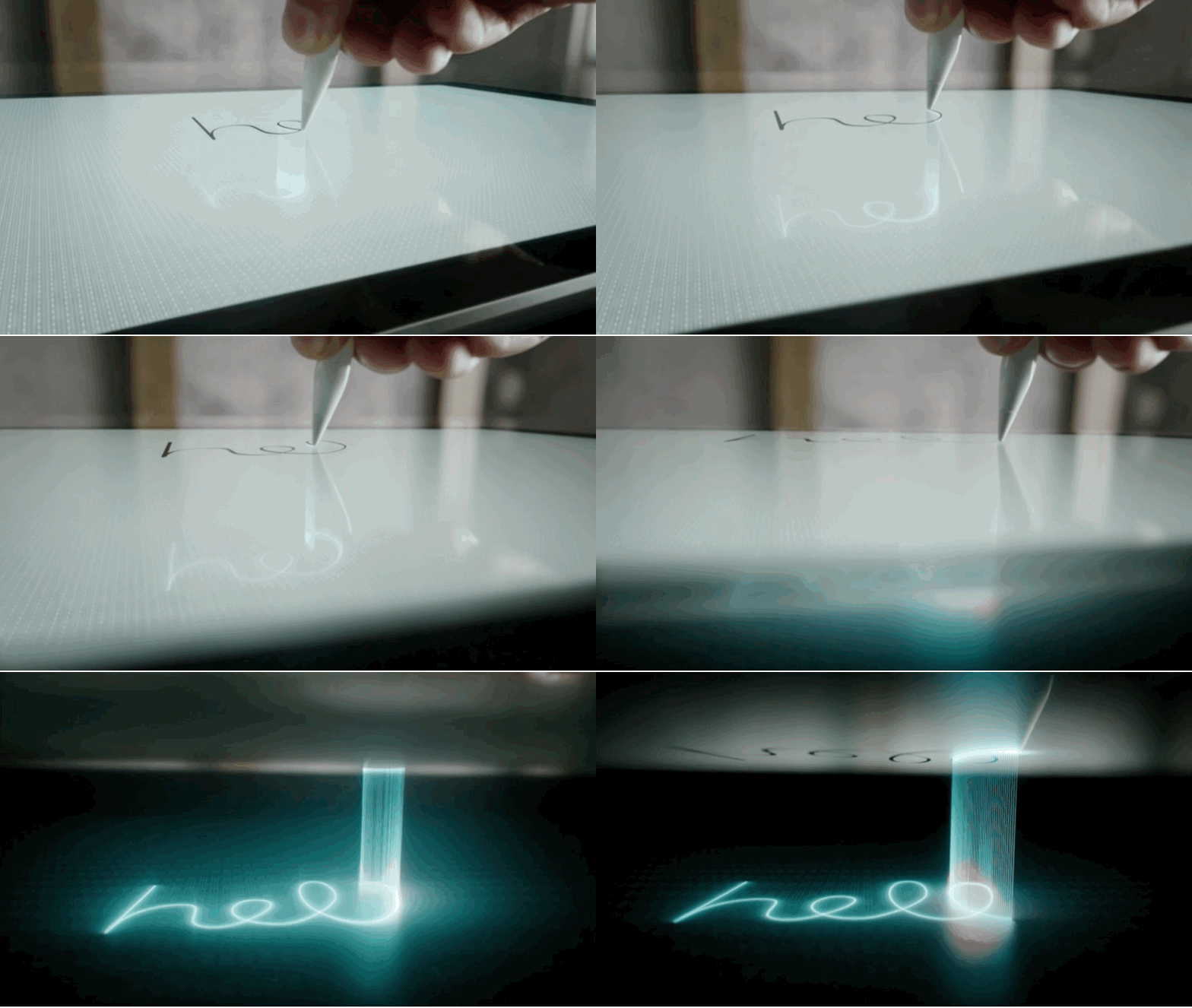
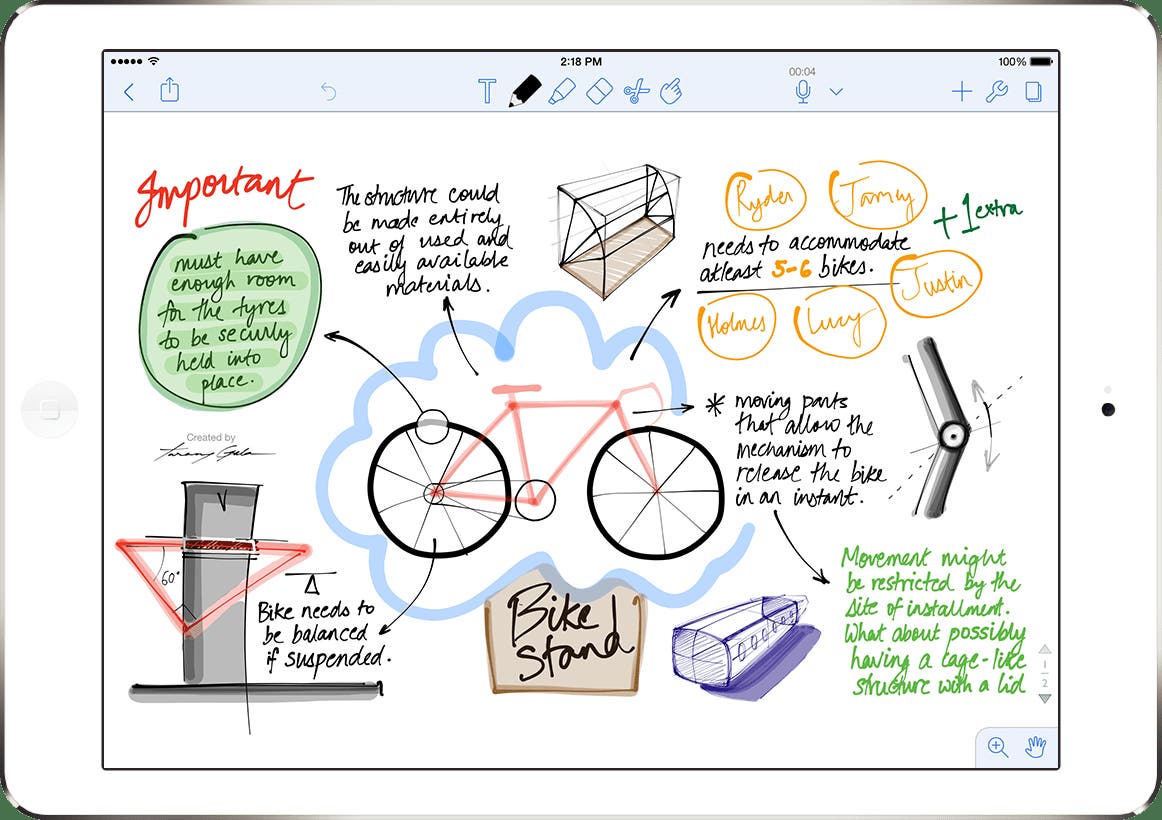
But then people always say, “handwriting helps with memory” or, “I just like handwriting”. To those people I introduce the Apple Pencil. This is just one of many active styluses breaking ground in a new field of digital handwriting, but it is the one myself, as well as 10,000 other Best Buy reviewers, can say is genuinely 5 star. When used with a note taking app like Notability, Apple Pencil creates a handwriting experience so real, you quickly forget you are writing on a tablet in the first place. Combine that with Office Lens, a free app that allows users to scan papers instantly and save them to google drive, and you have a setup that enables an almost fully paperless workspace.
In this way, 90% of our paper usage at school can be removed by students’ actions alone, but for that other 10%, we students need the support and backing of our teachers.
Luckily for teachers, running a paperless classroom makes their lives easier too.
No more squinting intensely at horrible handwriting; By accepting typed assignments,, those days are over.
No more running scantrons through the machine, or carrying around stacks of paper assessments; By using virtual (yet secure) quizzes, those days are over.
No more sighing in disappointment as your students forget to do their homework because they didn’t remember what it was. By employing solutions like Google Classroom and Teacher.io, those days are over. Most online classroom programs even provide notifications the night before a homework assignment is due, so they’ll never miss it.
A paperless school will also improve the way teachers are able to teach. Instead of writing comments on a printed version of an essay, where a student can easily misplace it, giving feedback on online platforms like Google Docs, results in that feedback never being lost. Valuable class time that is currently wasted on handing out and collecting paper could be saved, for in a paperless world, these handouts would be distributed and collected entirely through the internet, and outside of class time. A closer integration with the internet will open up a world of materials to teachers that can be directly taught to students and used to facilitate learning like never seen before.
I’ve been fortunate enough to have quite a few teachers that are open to technological solutions through my 3 years at William Annin Middle and 2 years at Ridge High. Unfortunately, many teachers are still wary of technology and stepping outside their comfort zones. Most of the time, it is because of an innate fear of what we don’t fully understand that is present in all humans. But ignorance is only magnified as we run away from it. Our ignorance regarding technology will only grow, unless we are fearless to move forward.
To ensure a more perfect education system, and to maximize the learning of their students, teachers must embrace this technological, paperless wave coming over the classroom.
Students: if our teachers are not willing to embrace this wave, we must compel them to do so. Use the paperless methods described above, and lead forth the paperless revolution. As we take action from our end, it will become less and less logical for our teachers to keep their classrooms anchored in the past.
Teachers, and the school system at large, use the cost of technology as the number one argument against my proposed model. But here is a fact. The Bernards Township School District receives $93 million dollars in funding each year - 93 MILLION!
Now let’s do some quick math. A 2018-model iPad and Apple Pencil, combined, cost $400 for a school. The Bernards Township School system had a total of 5691 students across their 6 schools as of the 2014-15 school year. Factor in a few hundred teachers, and for a 1-to-1 iPad and Apple Pencil program, which would give students every tool they need to go completely paperless, the district would pay $2.4 million, a measly 2.5% of their annual budget. Keep in mind, however, the fact that both the aforementioned devices can easily last for 5 years without any problems whatsoever, thus the district is looking at spending just 0.5% of their annual budget. Is our school system, which prides itself as being one of the top in the state, really going to let 0.5% come between it and the future? I can’t read the minds of the administration, but I sincerely hope the answer is no.
It makes even more financial sense for schools to go paperless after we consider the immense financial savings that result from leaving paper behind.
First, through savings on books. Instead of buying separate copies of every literature and textbook for every student (expenses that can quickly add up to well over $100 per student annually, alone), a single PDF of each book can be distributed to all students, where they can annotate it individually.
Second, in savings on computers. With every student having his/her own computing device, thousands, if not tens of thousands of dollars, that would have been spent on computers in labs and media centers can now be saved.
Third, on school supplies and stationary. A paperless school doesn't have to worry about printing paper, buying related supplies, or maintaining an effective disposal system for these supplies, ever again. While stationary materials may not seem expensive individually, the thousands of sheets of paper each student consumes every year quickly add up, rivaling the cost of a paperless solution.
There is also a financial incentive in schools going paperless for parents and families. A Deloitte study found that in 2017, families spent an average of $500 per child on back-to-school supplies. So much for free, public education! But not all hope is lost - a paperless school would completely eliminate these costly expenses, allowing families to spend their hard earned money on better things.
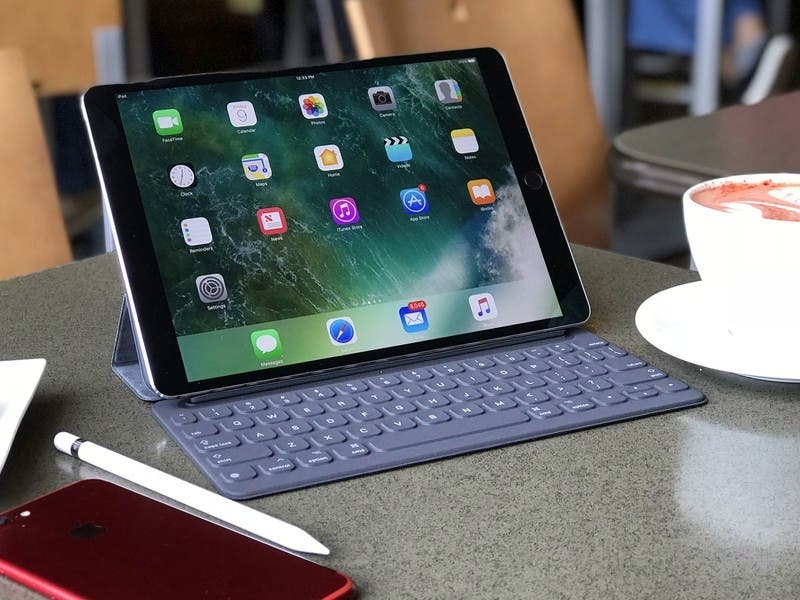
At the end of the day, schools, and the children whom they educate, can save a great amount of money in the long-term by adopting a system without paper.
As logical as it is to go paperless for students and teachers, there is a factor of greater good involved in all of this as well - the environment.
to produce more paper, 4 billion trees were cut down in 2011 alone
The Ecology Global Network finds that in humanity’s mad quest to produce more paper, 4 billion trees were cut down in 2011 alone, and that paper production accounts for more than a third of all trees killed each year. We would think that the advent of technology and alternatives to paper would decrease this number, but the reality is depressingly opposite, as Green America writes that over the past 20 years, our consumption of paper has more than DOUBLED, further contributing to global warming.
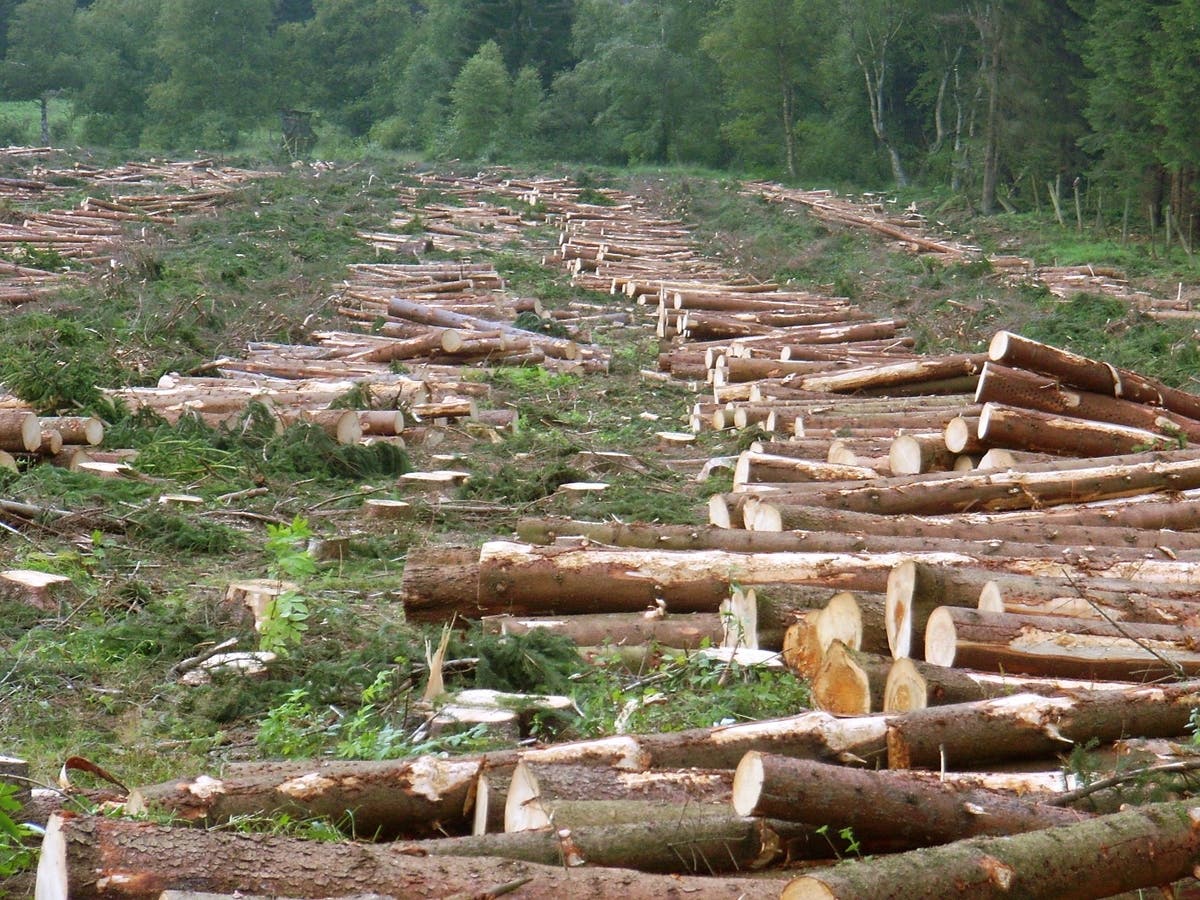
With climate change on the rise, and a government that doesn’t make the environment a priority, the burden of saving this planet falls on the shoulders of the people.
One might wonder how much of an impact a single school or district can have on the nation, but by going paperless, any individual, school, or town, can set an amazing precedent for districts around the country. And perhaps one day, with a lot of work from our teachers and their students, America’s schools may finally reach the future.
So, my fellow students, teachers, administrators, I urge you; Clear your desk of everything - paper and pencil - and embrace the paperless future.