Schools
Belleville Schools Closing Early Due To ‘Excessive Heat’: 6/18
See Belleville's local weather forecast and predicted high temperature here.


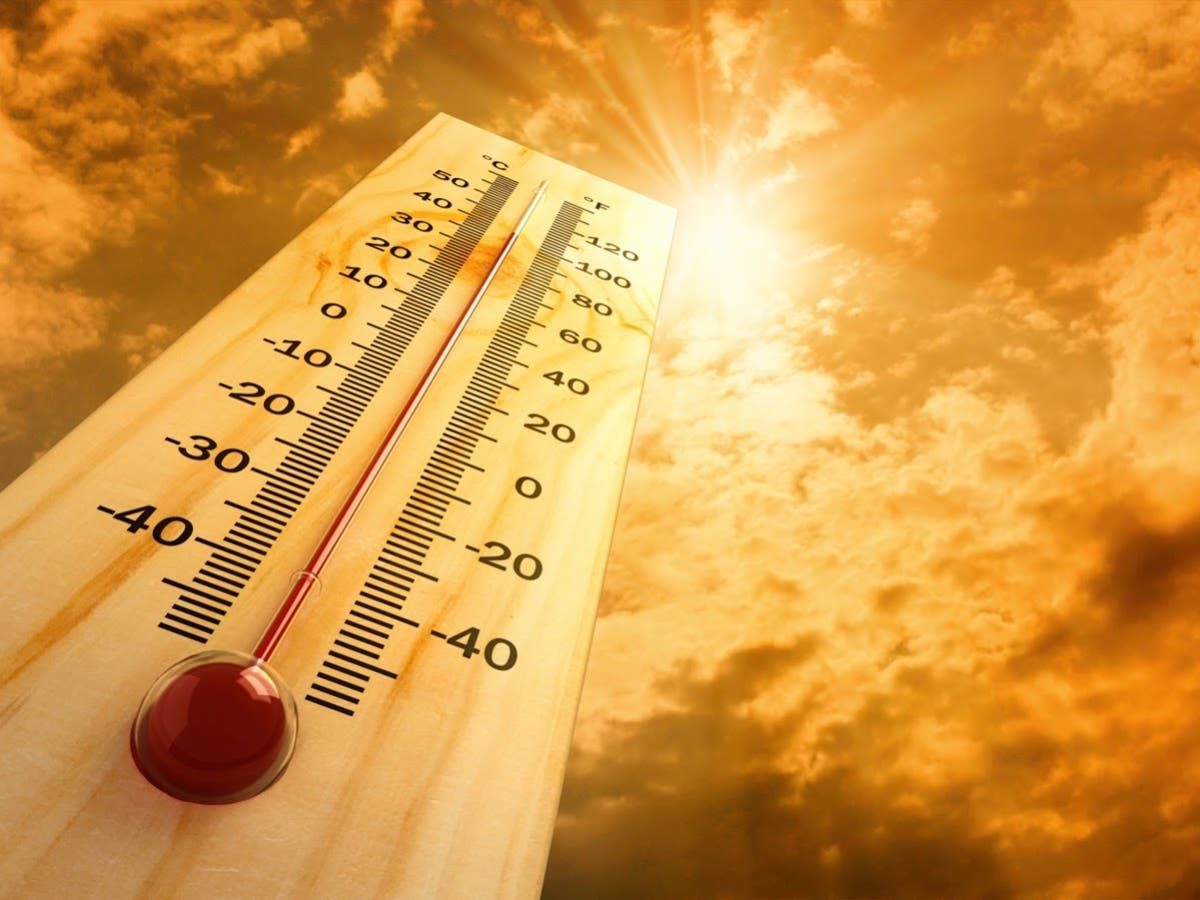
BELLEVILLE, NJ — The Belleville Public School District will dismiss students early on Monday in an effort to beat the sweltering heat, which was predicted to reach as high as 95 degrees.
Belleville Schools Superintendent Richard Tomko announced the early dismissal on Twitter:
“Due to the impending, excessive heat, all Belleville schools will have an early dismissal (single session schedule) today, June 18, 2018.”
According to the Belleville School District website:
Find out what's happening in Belleville-Nutleyfor free with the latest updates from Patch.
“Due to the excessive heat, all Belleville public schools will operate on a single session schedule. Belleville high school will dismiss at 12:15 [p.m], all elementary schools will dismiss at 12:35, and Belleville Middle School will dismiss at 1:04.”
The National Weather Service predicted “mostly sunny” weather in Belleville on Monday with a high temperature near 95 degrees and heat index values as high as 99 degrees. There is a 40 percent chance of showers and thunderstorms between 7 p.m. and 4 a.m., and a “mostly cloudy” forecast for the evening with a low temperature around 75 degrees.
ATTENTION: DUE TO THE IMPENDING, EXCESSIVE HEAT ALL BELLEVILLE SCHOOLS WILL HAVE AN EARLY DISMISSAL (SINGLE SESSION SCHEDULE) TODAY JUNE 18, 2018
— Dr. Richard Tomko (@BellevilleSuper) June 18, 2018
NJ DEPT. OF HEALTH WARNING
Find out what's happening in Belleville-Nutleyfor free with the latest updates from Patch.
The New Jersey Department of Health issued the following advisory on Monday:
With summer approaching and temperatures expected to rise into the 90s today, the New Jersey Department of Health is encouraging residents to take steps to avoid heat exhaustion and heat stroke.
"It is very important to drink plenty of fluids, spend time in cool places and reduce or reschedule any physical activity in extremely hot weather, especially for senior citizens, children and those with chronic conditions,” Health Commissioner Shereef Elnahal said. “Prolonged exposure to high temperatures can cause heat stroke and death, especially in people who take certain medications.”
To avoid health complications from excessive heat:
- Drink plenty of water or other non-alcoholic beverages.
- Make sure children and the elderly are drinking water and ensure that persons with mobility problems have adequate fluids in easy reach.
- Wear sunglasses that block both UVA and UVB rays.
- Use sunscreen with SPF 15 or higher and both UVA and UVB protection.
- If you do not have air conditioning, spend time in air-conditioned places such as libraries, movies, malls or other public buildings during the hottest hours of the day. Check with your municipality to see if cooling centers are available.
- Wear loose and light-colored clothing. Wear a hat when outdoors.
- Avoid any outdoor activity during the hottest hours of the day. Reduce physical activity or reschedule it for cooler times of the day (early morning or evening).
- Don't leave children, a frail elderly or disabled person, or pets in an enclosed car – not even for a minute – as temperatures can quickly climb to dangerous levels.
- Talk to your health care provider about any medicine or drugs you are taking. Certain medications – such as tranquilizers and drugs used to treat Parkinson's disease – can increase the risk of heat-related illness.
People suffering heatstroke can go from appearing normal to extremely ill in a matter of minutes. Victims may have hot, dry skin, a high body temperature of 106 degrees or more, an absence of sweat, and a rapid and strong pulse. Victims may become delirious or unconscious. Persons suffering from heatstroke need immediate medical attention. Heat exhaustion is a milder illness that may take several days of high temperatures to develop. Victims may have pale, clammy skin and sweat profusely. They may feel tired, weak or dizzy and have headaches or sometimes cramps, but their body temperature will remain close to normal.
People on medication-assisted treatment should not stop taking their medications before contacting the provider who prescribed them but should take precautions that can save their lives.
If heat stroke is suspected, immediately call 911 or get to a hospital. While waiting for help, move the person into air conditioning or shade, remove unnecessary clothing, wet the person with cool water, apply ice to armpits, groin, neck and back or immerse in cold water or ice.
For information about cooling centers set up in the state, please call your local municipality or visit: https://www.nj211.org/index.php/nj-cooling-centers
Don’t forget to visit the Patch Belleville-Nutley Facebook page here. Learn more about posting announcements or events to your local Patch site here. Send local news tips and correction requests to eric.kiefer@patch.com
Photo: Shutterstock
Get more local news delivered straight to your inbox. Sign up for free Patch newsletters and alerts.
!['Hometown Hero' From Nutley Speaks About Her Military Career, Civilian Life [VIDEO]](https://patch.com/img/cdn20/shutterstock/22844250/20261015/100508/styles/patch_image/public/shutterstock-1218528058___15220420225.jpg)