Politics & Government
Nutley Monitors Cleanup of Passaic River Toxins
The Nutley Board of Commissioners, Health Department and Board of Education all joining forces to demand information about removing possible high levels of dioxins from the river.
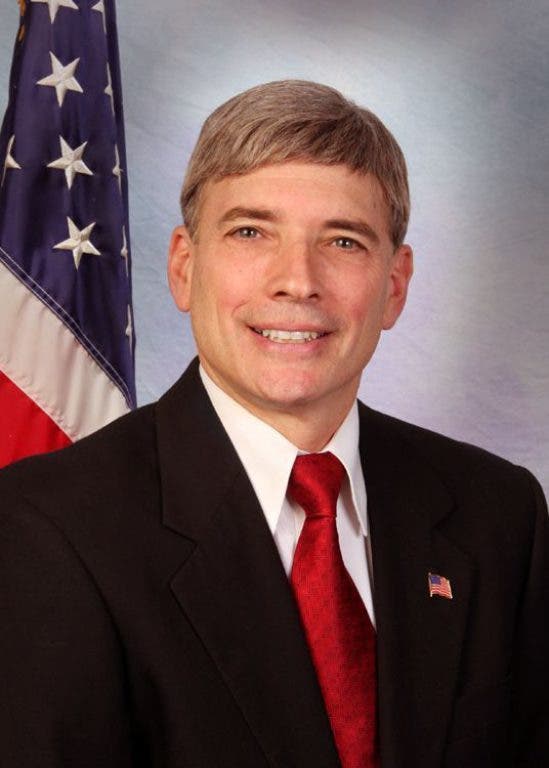


The Nutley Board of Commissioners said residents worried about pollution very nearby should know that the board and town officials continue to monitor the cleanup of contaminated mud from the Passaic River.
“I received the EPA factsheet with information about the Passaic River cleanup that was promised to me by representatives of that agency, and I am distributing the fact sheet to my colleagues tonight, as well as providing it to the Nutley Board of Education," Commissioner Steve Rogers said at Tuesday night’s Board of Commissioner’s meeting.
“We are very concerned about reports of high levels of dioxin, a cancer-causing chemical, in the river, and those concerns are heightened because Hurricane Sandy brought the river’s waters onto our streets,” Rogers said.
Find out what's happening in Belleville-Nutleyfor free with the latest updates from Patch.
He also had it posted on the Department of Public Affairs website.
Rogers said he and Commissioner Joseph Scarpelli, director of the Department of Public Works, are collaborating and monitoring this process “every step of the way,”
Find out what's happening in Belleville-Nutleyfor free with the latest updates from Patch.
He invited anyone with questions or comments to contact the Nutley Health Department at 973-284-4976.
According to the Lower Passaic River Restoration Project Community’s March update on the Contaminated Sediment Removal Project, the cleanup of the contaminated mud flat sediment is set to begin this July.
Design work is nearly complete for the cleanup of the Passaic River at the area adjacent to Riverside County Park North, according to the update.
The U.S. Environmental Protection Agency officials said they anticipate approval of the design work by May.
The draft final design plans are available at the project website at http://www.ourpassaic.org .
The plans describe the work that will be done and the controls and monitoring that must be followed to ensure protection of the community and adherence to project goals and environmental standards, according to the update.
All work will be conducted from the river, and the draft final design plan includes information on how the sediment will be dredged, transported via barge down river to a processing facility, and disposed of out-of-state, the update states.
The plan includes monitoring requirements for air, water, noise and traffic, and the overall schedule and operational hours for the project, according to the update.
Officials said they want input from the community on the plans for removal of contaminated sediment; monthly meetings of the Passaic River Community Advisory Group include updates on the Lyndhurst removal project and other Passaic River studies and cleanups plans.
The meetings are open to the public, and to receive email notifications of these meetings, residents can send an email request to David Kluesner, EPA, at kluesner.dave@epa.gov.