Community Corner
What Do Bunnies and Eggs Have To Do With Easter?
How non-Christian symbols came to be associated with this religious holiday
Christians celebrate Easter to venerate the resurrection of Jesus Christ. Some aspects of modern Easter celebrations, however, pre-date Christianity.
The name Easter comes from Eostre, an Anglo-Saxon goddess of spring and fertility. In the second century A.D., Christian missionaries who were trying to convert the tribes of northern Europe noticed that their Christian holiday which commemorated the resurrection of Christ roughly coincided with the Pagan springtime celebrations which focused on the triumph of life over death. Over time, the Christian Easter absorbed traditional non-Christian symbols.
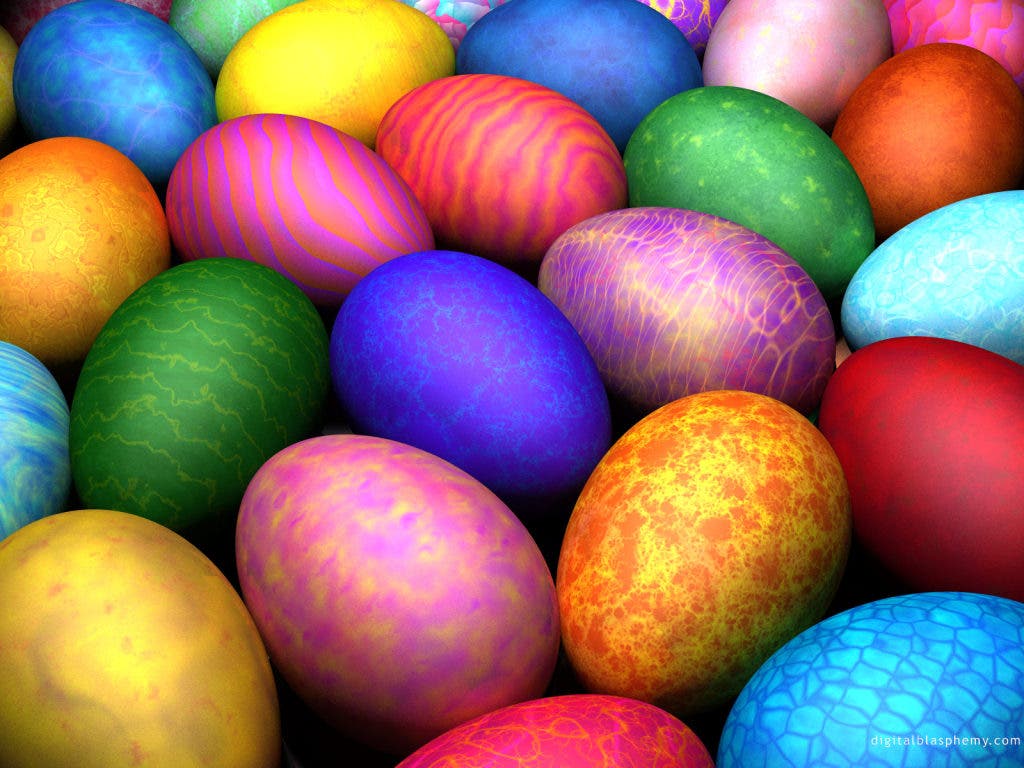
In Medieval Europe, eggs were prohibited during Lent and eggs laid during that time were often boiled to preserve them. Eggs were therefore a major component of Easter meals and a prized holiday gift for children and servants.
Find out what's happening in Bloomfieldfor free with the latest updates from Patch.
Throughout the ages, eggs have also been viewed as symbols of new life and fertility and many ancient cultures (including the Egyptians, Persians, and Romans) used eggs during their spring festivals.
Coloring eggs is an established art and they were used in various holiday games; parents would hide for children to find, and children would roll eggs down hills. These practices live on today in Easter and egg rolls.
Find out what's happening in Bloomfieldfor free with the latest updates from Patch.
Like eggs, rabbits have long been symbols of fertility and, in fact, were the symbol of Eostre. The concept of an “Easter Hare” comes from Germany, where tales were told of a white "Easter hare" who laid eggs for children to find. German immigrants to America brought the tradition with them and spread it to a wider public. They also baked cakes for Easter in the shape of hares and may have originated the practice of making chocolate bunnies and eggs.
As for the Easter basket, in the past it was customary to bring baskets filled with early seedlings to Eostre to increase the chances of having a good harvest. Likewise, this goddess would carry around a basket of eggs. And the good Germans who brought us the Easter Hare believed that the rabbit would bring baskets full of goodies for children on Easter morning.
Lastly, after being baptized, early Christians wore white robes throughout Easter week to represent their new lives. Those had already been baptized wore new clothes instead to symbolize their sharing a new life with Christ. In Medieval Europe, churchgoers often took a stroll after Easter Mass, led by a crucifix or the Easter candle. Today these walks continue as Easter Parades. People show off their spring finery, including bonnets decorated for spring.
So just like Christmas, a holiday that began as a religious event mutated into a celebration that may not be religious, but is joyous just the same. Then again, after the winter we just had in Livingston, spring may turn out to be spiritual for many of us this year.