Community Corner
Brick MUA: No Lead In Township's Drinking Water Supply
Water quality director says specific testing required by DEP showed lead in specific homes; notifications have sparked residents' concerns


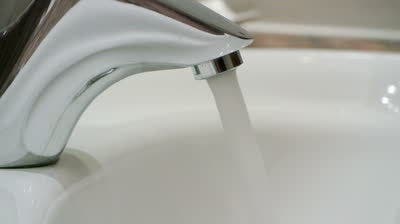
There is no lead in Brick Township’s drinking water supply.
That is the word from officials at the Brick Township Municipal Utilities Authority, who say they -- along with township officials -- have been fielding dozens of phone calls in the wake of pamphlets distributed to township residents in the last few days.
“There is no lead in the drinking water,” said Joe Maggio, director of water quality for the MUA, which also supplies water to Point Pleasant and Point Pleasant Beach under contracts with those towns.
Find out what's happening in Brickfor free with the latest updates from Patch.
The pamphlets, Maggio said, were sparked by results from very specific testing for lead that is required by the DEP every three years. The pamphlets residents have received are part of the required notification process, and the language is dictated by the DEP, he said.
The testing, done this summer, required the MUA to take water samples from homes built between 1982 and 1987. For the tests, the customers were required to allow water to accumulate in their pipes undisturbed for six hours before collecting a sample, Maggio said.
Find out what's happening in Brickfor free with the latest updates from Patch.
Homes built between 1982 and 1987 are targeted for the testing because during that time, lead-based solder was used to connect water piping in homes -- a practice banned in 1986 under the federal Safe Drinking Water Act.
“These tests were geared to a worst-case scenario,” he said.
Maggio said 30 homes built in that time were tested for this specific sampling; he did not have an estimate of how many homes in the township were built between 1982 and 1987, or that might have pipes with lead solder.
The problem, Maggio said, is corrosion that can cause lead in a home’s pipes to leach into the water. The MUA began adding a commonly used corrosion inhibitor to the township’s water supply this year to reduce that possibility, he said.
The MUA has been working with staff from the DEP to evaluate the performance of the system and secure final permitting for the use of this corrosion inhibitor, Maggio said.
“We’re already being proactive in that area,” Maggio said.
The pamphlets residents have received are part of the required notification process, and the language is dictated by the DEP, he said.
Lead can cause serious health problems, especially for pregnant women and children 6 years or younger. It can cause damage to the brain and kidneys, and can interfere with the production of red blood cells that carry oxygen to all parts of your body. Scientists have linked the effects of lead on the brain with lowered IQ in children. Adults with kidney problems and high blood pressure can be affected by low levels of lead more than healthy adults. Lead is stored in the bones and it can be released later in life. During pregnancy, the child receives lead from the mother’s bones, which may affect brain development.
The MUA suggests these steps to reduce your exposure to lead in your water:
- Run your water to flush out lead. Run water for 15-30 seconds to flush lead from interior plumbing or until it becomes cold or reaches a steady temperature before using it for drinking or cooking, if it hasn’t been used for several hours.
- Use cold water for cooking and preparing baby formula.
- Do not boil water to remove lead. Boiling water will not reduce lead.
- Look for alternative drinking water sources or treatment of water. You may want to consider purchasing bottled water or a water filter.
- Test your water for lead. Call 732-458-7000 ext. 4255 to find out how to get your water tested for lead.
- Get your child’s blood tested. Contact your local health department or healthcare provider to find out how you can get your child tested for lead if you are concerned about exposure.
- Identify and replace plumbing fixtures containing lead.
Residents with questions can Brick Utilities at 732-458-7000 ext. 4255 or visit Brick Utilities’ Web site at www.BrickUtilities.com to find out how to get your water tested for lead or for more information on steps Brick Utilities is taking to address the lead action level exceedance. For more information on reducing lead exposure around your home/building and the health effects of lead, visit EPA’s Web site at www.epa.gov/lead or contact your health care provider.
Get more local news delivered straight to your inbox. Sign up for free Patch newsletters and alerts.