Crime & Safety
Child Hospitalized From Painful Jellyfish Sting At Jersey Shore, Report Says
Clinging jellyfish have returned in force to the Jersey Shore, according to an expert. Here's where to avoid them.


BRICK, NJ — Invasive clinging jellyfish have returned to the Jersey Shore, causing one young child to be hospitalized due to the animal's painful stings, according to a report.
The 6-year-old girl from Ocean County was stung while in the Metedeconk River, after the jellyfish got between her life vest and her skin, News 12 New Jersey reported.
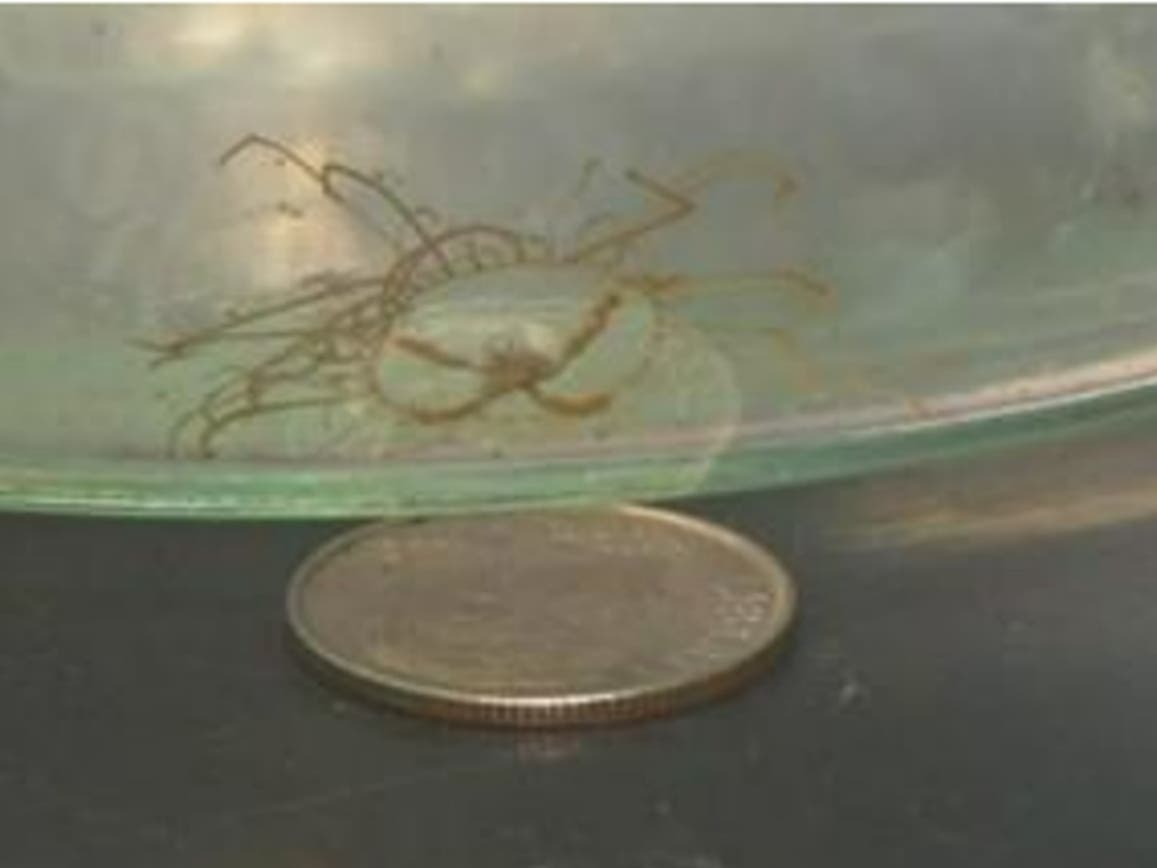
The Metedeconk River in Brick Township has been a perennial site of the invasive jellyfish, which were first found in New Jersey 10 years ago. This year, there are larger numbers of the jellyfish, which are about the size of a quarter, than were seen the past couple of years. They also have been found in bay waters up and down the New Jersey coast, according to the NJ Department of Environmental Protection.
Find out what's happening in Brickfor free with the latest updates from Patch.
Paul Bologna, director of the marine biology program at Montclair State and the top expert on jellyfish in New Jersey, said sampling in the Metedeconk River on June 10 turned up dozens of the creatures, which are about the size of a quarter and deliver a sting so intense adults have been hospitalized in the past.
He said the girl was stung on June 7 and spent four days in intense pain, including three trips the emergency room, News 12 reported.
Find out what's happening in Brickfor free with the latest updates from Patch.
The clinging jellyfish inhabit the back bays, not the ocean, Bologna said, and live in the algae and underwater vegetation. They bloom in the early spring while water temperatures are still cold and generally disappear by mid-July as the water warms into the 80s, he said.
Bologina has offered the following advice for treating jellyfish stings in the past:
- Pour white vinegar after the initial sting. This immobilizes any stinging cells that have not fired.
- Then, pour salt water across the sting area to wash away any remaining tentacles. DO NOT pour fresh or bottled water over the area, because it can cause the stinging cells to fire and continue to sting.
- Wipe the area with a clean, dry cloth and then apply a hot compress to the area. The heat helps denature, or destroy, the venom proteins.
There also is a product called Sting No More, which is known to be effective against many venomous jellyfish, Bologna said.
Get more local news delivered straight to your inbox. Sign up for free Patch newsletters and alerts.