Schools
Condensing Runs Will Make Brick's Busing Issues Worse, Drivers Say
The district will save more than $1.2 million from the changes, if the Civil Service Commission approves of the job cuts.


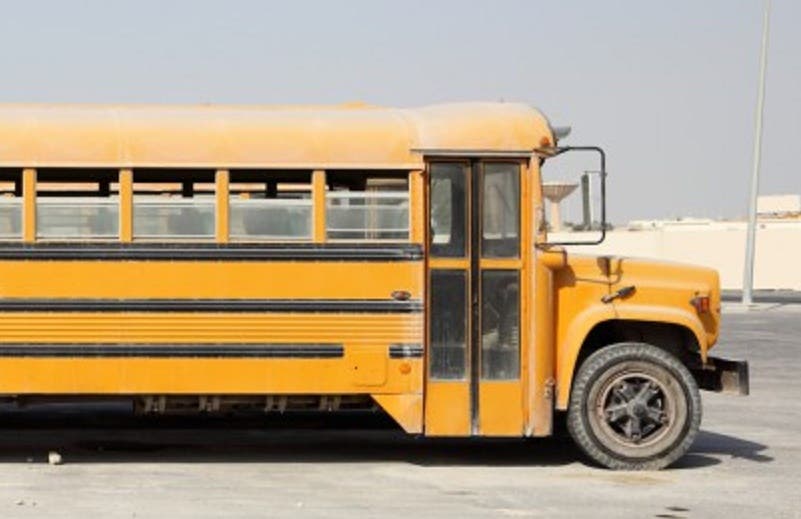
The Brick Township Board of Education is in for a bumpy ride on Thursday, as bus drivers and parents are expected to pack the auditorium at Brick Township High School to protest a plan to cut 31 full-time bus driver positions.
The school district announced the plan via a letter to the district’s transportation staff handed out two weeks ago, saying an examination of the routes has led to plans to consolidate them, resulting in buses that are fuller.
The bus drivers also have been criticized for the level of absenteeism, which former board member John Talty called excessive.
Find out what's happening in Brickfor free with the latest updates from Patch.
Bus drivers, however, say the consolidation of runs will result in students being on the buses longer and make the schedule of the school runs impossible to meet.
They also said the criticisms of absenteeism overlook the fact that injuries and illnesses are far more common than people realize. The real problem, they say, lies within a system where coverage of those who are out sick or on medical leave is a mess.
Find out what's happening in Brickfor free with the latest updates from Patch.
The district has 114 full-time and 20 part-time drivers, Megan Osborn, the district’s human resources manager, said.
“Demotions from full time to part time positions will ultimately be determined by the NJ Civil Service Commission after they review our plan,” Osborn said in an email to the Patch.
The cuts and reorganized bus routes are expected to save the district more than $1.2 million, James Edwards, the district’s business administrator, said. The decision was made in part to offset increases in other areas of the budget, but also “because we could achieve the efficiences,” Edwards said.
Those cuts will mean ultimately that full-time drivers will become part-time, drivers have said, losing benefits that make up for the $15 per hour they get paid to drive. Some questioned why the district hasn’t offered buyouts first, to the drivers the highest pay.
If the Civil Service Commission approves Brick’s plan, drivers say there will be nothing efficient about what happens when the number of drivers is reduced.
Most of the current bus runs “are at capacity even if every student doesn’t ride the bus every day,” said one driver, who requested anonymity out of fear of reprisals. That frequently happens with the high school runs, as students begin riding to school with friends who drive or drive themselves to school, she said.
“If the runs become longer it’s more difficult on the students, and almost impossible to make it to your next school on time,” she said.
There is little downtime during the day, she said, with drivers starting about 5:30 a.m. for the high school runs, where the students must be delivered by 6:55 a.m. Each driver has three schools to deliver students to in the morning and deliver home in the afternoon, and in between most have a midday run -- to one of the county vocational schools or something else, she said.
“If you have to go to Waretown (one of the vocational school sites) that’s an hour each way,” she said. The typical day ends about 4:30 p.m., she said. And while drivers get paid to work overtime, “it’s expected,” she said. “If you refuse it you get written up.”
As for illnesses and injuries, she said, driving a bus is a lot more dangerous. A 2011 Wall Street Journal article reported that bus drivers suffer nonfatal injuries at a rate of 892 out of every 10,000 drivers -- higher than the nonfatal injury rate among EMTs, tree pruners and firefighters.
“It’s not like driving a car,” she said. The steering wheel is much larger and takes more effort to turn, and if you hit a curb or if a car hits your bus -- which she said happens often -- it can wrench the wheel, causing shoulder and wrist injuries.
Some buses still have the doors that must be opened manually with a large lever, she said, and those cause wrist strains. Ankle injuries are common from slips and falls, particularly in the winter when there is snow and ice, she said.
“We get there before they’ve cleared the lot (of snow),” she said.
The coverage of those who are absent is the real problem, she said, in part because the department got rid of a lot of the cover runs, she said.
“Between that and not assigning (missing them, making a ton of mistakes) the covers that we do have are left scrambling at the last second,” she said. The result has been students left standing at the bus stop, parents have said, or arriving late to school because a bus had to be sent to pick them up when they were forgotten.
“If Dr. (Richard) Caldes (the district’s interim superintendent) thinks we can condense runs more than they already are, he should ride a bus for a day,” the driver said.
The public portion of the meeting is set to begin at 7 p.m.
>>RELATED:
Get more local news delivered straight to your inbox. Sign up for free Patch newsletters and alerts.