Schools
Energy Program Could Help Fund Brick School Improvements
ESIP program could help avoid having to go out to referendum

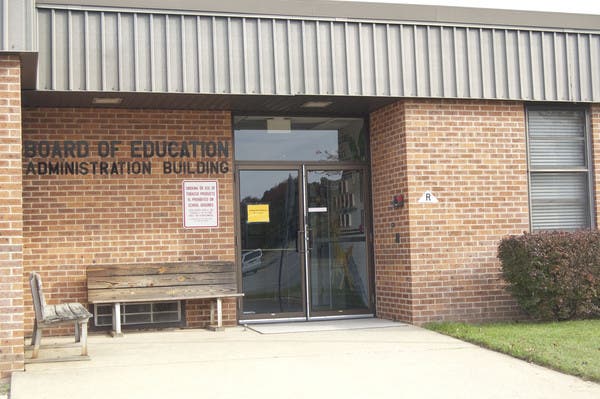
A program aimed at making public school districts more energy efficient could wind up helping the Brick school district pay for certain facilities improvement projects without asking the voters for extra money in a referendum.
The state's Energy Saving Improvement Program, or ESIP, is designed to help school districts pay for projects that would help save energy costs without the large capital outlay that would normally trigger a referendum vote.
Brick School Board President Sharon Kight said the school board is actively investigating ESIP programs, which allow the school district to effectively fund projects that increase energy efficiency through the savings the district would eventually realize. Kight explained that under the program, a company that would install, for example, a boiler, might pay upfront costs, with the district paying back the company based on the difference in utility bills. Companies participating in the ESIP program guarantee school districts that even if money is not saved, the company will take the loss rather than the district.
Find out what's happening in Brickfor free with the latest updates from Patch.
Kight said programs such as ESIP represent out-of-the-box thinking and an alternative to paying for school facilities improvements through a referendum.
"You can't just keep going to the taxpayers over and over again," Kight said, addig that taxpayers in Brick may be weary of tax hikes after last year's municipal referendum.
Find out what's happening in Brickfor free with the latest updates from Patch.
ESIP programs can be used to fund improvements such as lighting, low flow toilets, building control systems, boilers, central plant, roofs, windows and doors, according to Jeff Koziol, a representative from Ingersoll Rand, a contracting firm that appeared before the Dec. 7 school board work session.
"Referendums are difficult, if not impossible, to pass in this economy," said Koziol. "This is a vehicle that many states have used [or] are using."
The payback period for improvements under ESIP is 15 years, but a performance guarantee would insure that an energy services company would eat the cost if energy savings did not happen as planned.
"There's really a perfect storm brewing as to why this is a good option at this time," said Koziol.
Business Administrator Jim Edwards said at the Dec. 7 meeting that the district may begin putting together bid requests for ESIP projects in the future.
"I think it's certainly a worthwhile alternative, especially in these times," said Kight.
Get more local news delivered straight to your inbox. Sign up for free Patch newsletters and alerts.