Home & Garden
Portuguese Man O' War Washes Up On Long Beach Island
The Gulf Stream and offshore winds often bring southern creatures to our shores, but this one can cause painful stings, even when it's dead.


by Patricia A. Miller
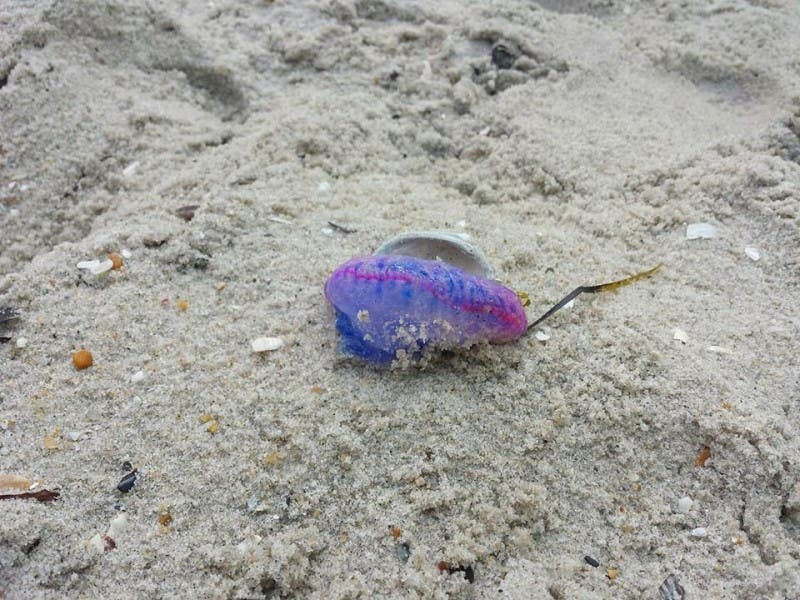
The periwinkle-blue blob that washed up on a Harvey Cedars beach recently is beautiful, but dangerous.
The Harvey Cedars Beach Patrol found a Portuguese man-of-war washed up on the beach recently, according to the patrol’s Facebook page.
Find out what's happening in Brickfor free with the latest updates from Patch.
“When the wind is coming from the northeast, warm water from the Gulf Stream comes to shore,” the post states. “With the warm water, often comes seaweed and critters from down south. Always be aware of your surroundings in the ocean and always swim near a lifeguard.”
Portuguese man-of-wars are covered with venom-filled nematocysts that can paralyze fish and other small creatures, according to Nationalgeographic.com.
Find out what's happening in Brickfor free with the latest updates from Patch.
“For humans, a man-of-war sting is excruciatingly painful, but rarely deadly,” according to the website. “But beware — even dead man-of-wars washed up on shore can deliver a sting.”
(Photo credit: Harvey Cedars Beach Patrol)
Get more local news delivered straight to your inbox. Sign up for free Patch newsletters and alerts.


