Home & Garden
PHOTOS: Power Company Relocates Osprey Nest In Brick
The delicate move was undertaken to protect the birds from electrocution and prevent a potential fire.


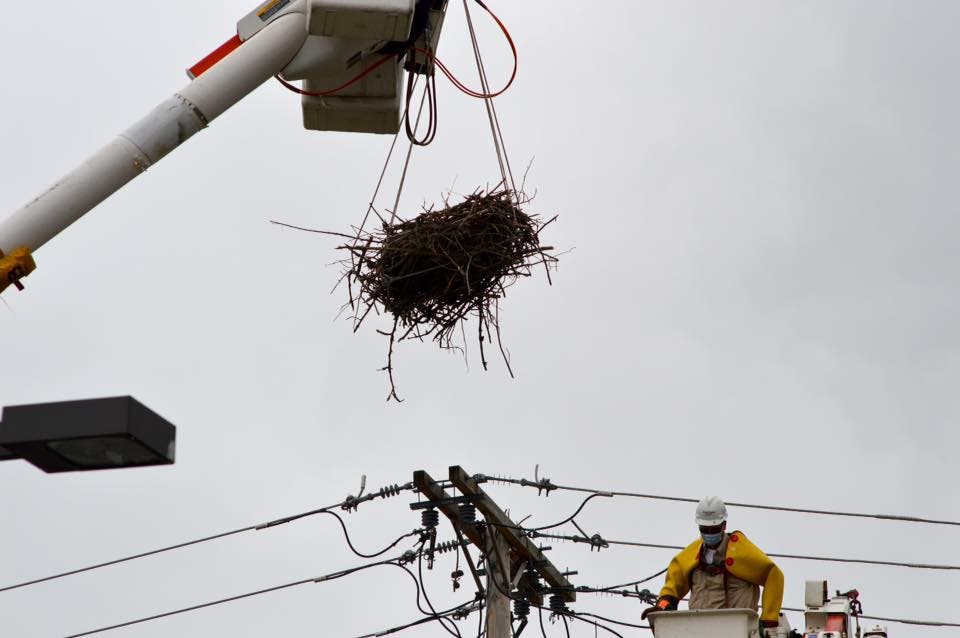
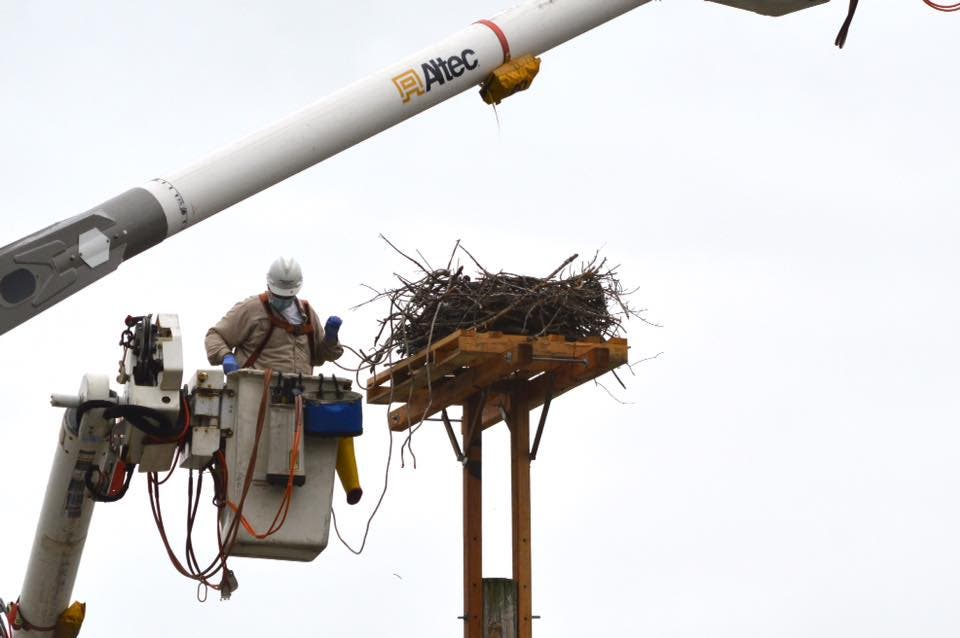
Brick, NJ -- A pair of utility workers had a delicate moving project this week: transferring an osprey nest from a highly energized utility pole to a safer spot for the birds.
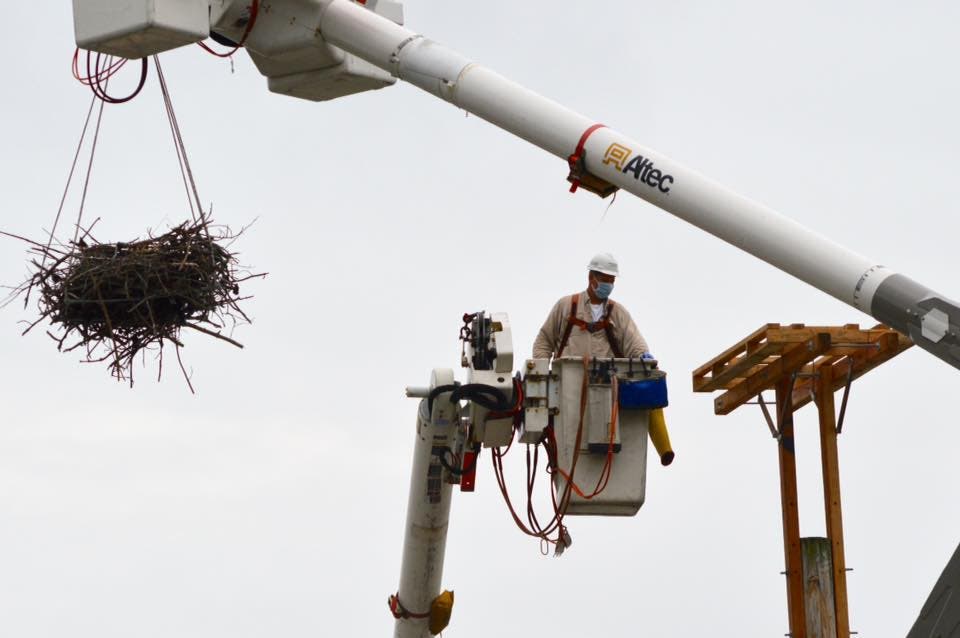
The nest, on Old Hooper Avenue near the Sailors Quay development in Brick, was moved to a pole just down the street that had been equipped with a platform specifically for that purpose.
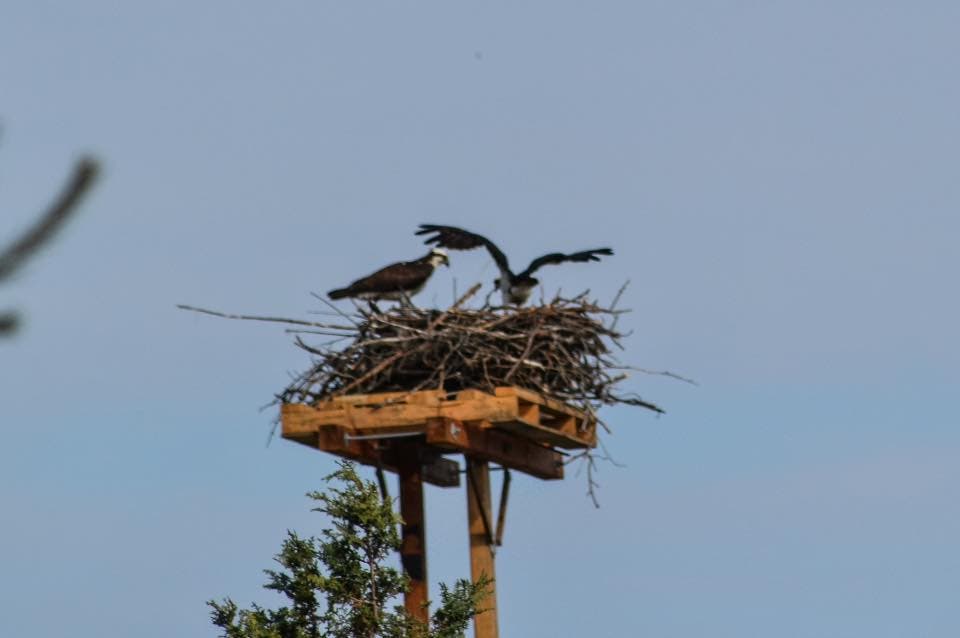
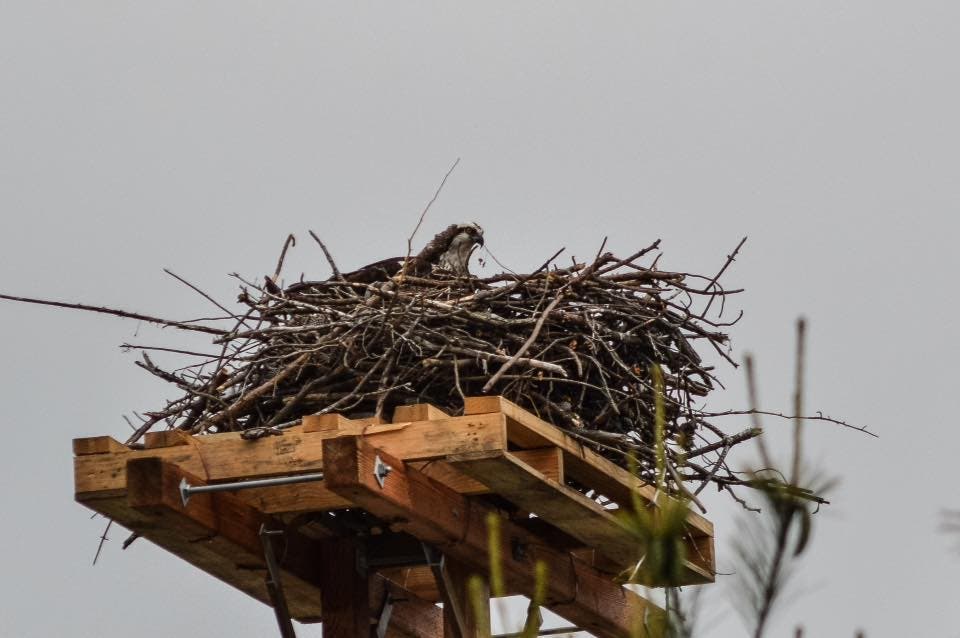
The entire move was captured by Brick resident Judy Colagiovanni Tunis, who lives nearby. Tunis said there are two eggs in the nest, which workers carefully removed while the nest was being transferred, and then replaced when it was settled on the new platform.
Find out what's happening in Brickfor free with the latest updates from Patch.
Nests built near energized lines pose hazards to the ospreys and their young, as well as the potential for power outages, according to the organization Osprey Watch. The birds can be electrocuted, especially the young fledglings, and nesting material has the potential to catch fire, particularly if the ospreys pick up pieces of plastic or paper and bring them to the nest.
Bird electrocutions can knock out power to residents, as well.
Find out what's happening in Brickfor free with the latest updates from Patch.
Moving an actively occupied nest is rare but is done with the supervision and assistance of officials from the New Jersey Division of Fish and Wildlife. A similar osprey nest move was performed in 2013 in Oceanport, according to a Patch report at the time.
After the nest was moved, vertical pipes were installed to prevent the ospreys from building atop the old nest site in the future.
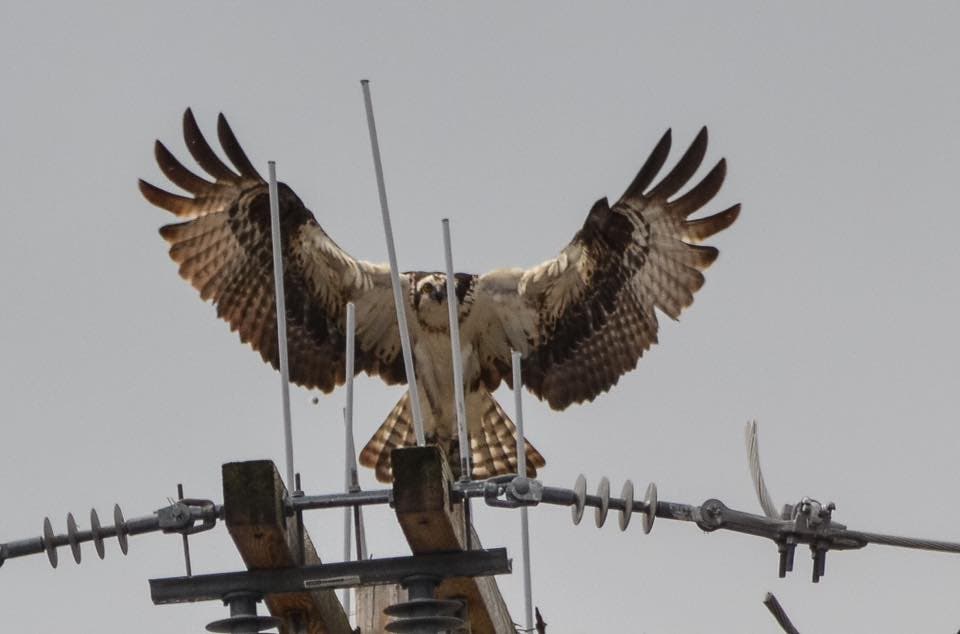
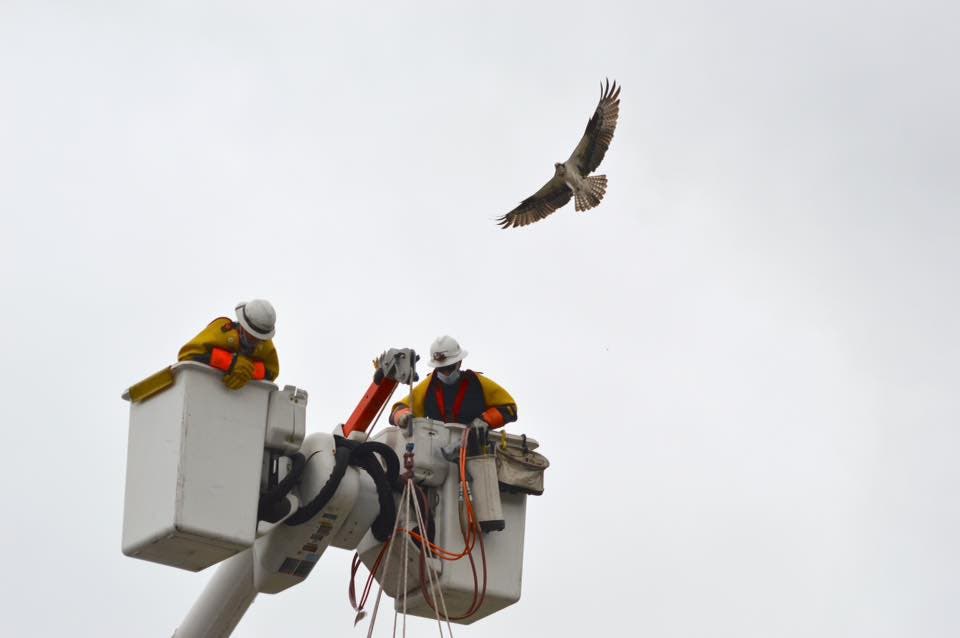
Tunis, who observed the nest for several hours, captured the return of both parents and they have been tending the eggs since then, she said.
According to the New Jersey Division of Fish and Wildlife, there were 534 active osprey nests documented in the state, including 63 around Barnegat Bay. The division's 2015 Osprey Project report for New Jersey said there were 31 new nests documented last year, giving the state roughly 600 nesting pairs. Of nests where they knew the outcome of the nesting, there were 737 young produced; 432 young were banded by volunteers and staff with USGS leg bands for future tracking.
The report also noted that Barnegat Bay-area osprey young are receiving a second leg band to help track specifics on the birds nesting in the Barnegat Bay area. Called Project RedBand, the main goal of the project is to engage the public in osprey management and conservation along the Jersey Shore while collecting data based on resightings. So far, 95 of the red bands have been deployed, the division said, and the project is slated to continue this year.
See Tunis's photos, used with permission:
Get more local news delivered straight to your inbox. Sign up for free Patch newsletters and alerts.


