Home & Garden
As Reservoir Marks 10 Years, Brick Looks to Protect Water For Decades to Come
Metedeconk River Watershed Plan, built on consensus of those in the watershed, aims to address stormwater issues and more


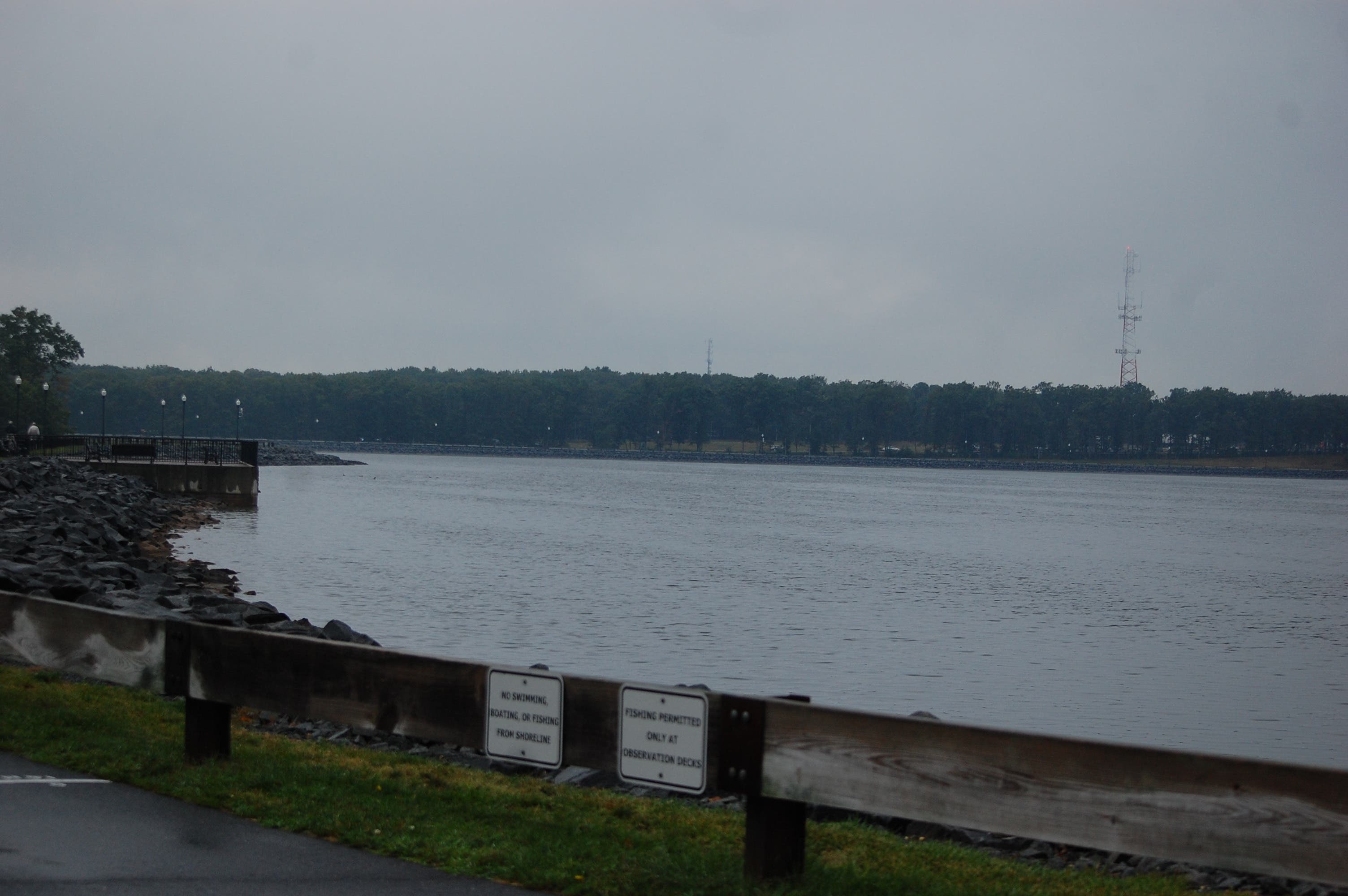
Ten years ago today, ceremonial shovels went into the ground for the first time to build a water resource that today supplies water to more than 100,000 residents in Brick and nearby communities.
Now, that 120-acre Brick Reservoir has become a popular recreation site, for joggers, walkers and fishermen. But it also serves as a ready resource, able to pump up to 24 million gallons of water per day for not only the township, but for Howell, Point Pleasant and Point Pleasant Beach.
As the township prepares to mark the 10th anniversary of the Brick Reservoir -- a ceremony is set for Saturday, Sept. 27 -- it also is looking ahead to providing clean water for residents for generations to come.
Find out what's happening in Brickfor free with the latest updates from Patch.
The township Municipal Utilities Authority gave a presentation at the Sept. 9 Township Council meeting outlining work being done with neighboring communities to put into place strategies to protect the Metedeconk River Watershed, from which the water in the reservoir is drawn.
Robert Karl, source water administrator for the Brick Township Municipal Utilities Authority, and Joe Maggio of the BTMUA presented the watershed plan as they discussed how Brick sources its water -- drawing from the reservoir, which can hold up to 1 billion gallons of water; from the river itself; or from wells that draw water from 1,800 feet below the ground.
Find out what's happening in Brickfor free with the latest updates from Patch.
“The extra sources give us the flexiblity to change the water source if we don’t like the quality on a particular day,” Karl said.
All of that water, however, is generated from the watershed, which Karl said covers 90 square miles and touches seven towns in Monmouth and Ocean counties. Karl said the plan to protect the watershed, which took two years to develop and was approved by the state Department of Environmental Protection in May 2013, had input from more than 100 stakeholders.
The ultimate goal, Karl said, is to protect the source of the water and keep it clean in the first place, rather than having to treat it later, which is a far more costly proposition.
The biggest problem that has to be addressed is stormwater runoff, Karl said.
“It affects water treatment. It affects the beaches, and it affects how the river flows,” Karl said, as an excess of silt or other pollutants can change the depth of the water and more.
The plan, built on a consensus of the stakeholders, includes a variety of measures designed to help protect the watershed. They include:
- Land preservation in future development in the area
- Replacing old stormwater outflows
- Retrofitting detention basins to better filter stormwater before it goes into the water supply
- Educating the public about activites that affect the water supply.
Retrofitting detention basins by turning them into bio-retention basins -- ones with native plants and other characteristics designed to filter out pollutants as stormwater seeps into the ground -- have become a priority. Basins of that type were installed at Ocean County College as part of the construction of the Kean@Ocean expansion, and Karl said they are looking to put them in a shopping plaza parking lot, where there is a great deal of stormwater shed from an impermeable surface.
Karl said while it took two years to develop the plan, it will take longer to implement, because of the sheer size of the area and the number of entities involved.
In the long run, Karl said, however, it will make for a stable and safe supply for decades to come.
Read the Metedeconk River Watershed Plan by clicking here.
(Photo: The Brick Reservoir not only collects rainwater but stores water from the Metedeconk River Watershed. Credit: Karen Wall)
Get more local news delivered straight to your inbox. Sign up for free Patch newsletters and alerts.


