Seasonal & Holidays
3 Tips To Minimize Frost Damage To Your Home
Though no one can stop Mother Nature from showing up at your doorstep, there are ways of controlling frost's damaging effects.

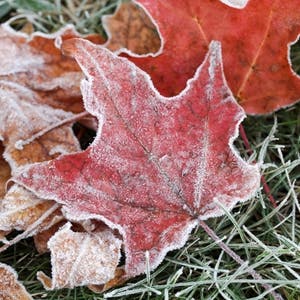

When you think about the effects of winter, it’s the big things that spring to mind, like heavy snow, whipping winds and bone-chilling temperatures. Rightfully so that it’s these conditions that are thought of, given that they’re what makes the cold weather season the third-largest cause of catastrophe losses, according to the Insurance Information Institute.
But Old Man Winter comes in many forms, chief among them being frost, those omnipresent white crystals that take shape, covering anything and everything when temperatures are below 32 degrees Fahrenheit.
Frost is the bane of vegetation’s existence, because when it develops, it usually spells the end of the growing season for a wide variety of fruits, vegetables and flowers. But frost also takes a toll on the non-living, like the exterior of homeowners’ residences. Whether residences are cast in brick or lined with lumber, frost wears away building material, resulting in cracks, chips, dings and blistering. Fortunately, the effects are largely cosmetic - thus not requiring a homeowners insurance claim - but nevertheless, the aesthetic appeal of one’s property is an important component of homeownership that ought to be protected whenever possible.
Find out what's happening in Bridgewaterfor free with the latest updates from Patch.
Though no one can stop Mother Nature from showing up at your doorstep, there are ways of controlling frost’s damaging effects. The following are a few of them:
Remove clutter from gutters
Cleaning your home’s gutters and eavestroughs is crucial in winter because of the ever-constant risk of precipitation in the forecast. When the gutters are clogged with dirt and debris, left there in the wake of autumn’s “falling” foliage - there’s no room for snow and sleet to disperse, often resulting in localized flooding. When gutters are clogged and frost forms, moisture and the thawing/freezing cycle can lead to damage and the erosion of siding. Avoid this by rolling up your sleeves to remove what gunk has collected in your home’s eaves.
Find out what's happening in Bridgewaterfor free with the latest updates from Patch.
Scan for cracking
Depending on who you ask, you should repaint the siding of your house every few years, especially if you want to avoid cracking and peeling. But you may have to do it a lot sooner than normal if frost is allowed to fester. In addition to cracking paint, the microscopic pockets that form are often filled with mold, which has a tendency to grow and multiply once it’s developed. Check for cracks in paint and be sure to fill them as necessary.
Insulate your attic
Did you know that an estimated 90% of all homeowners don’t have enough insulation in their homes? It’s true, according to the North American Insulation Manufacturers Association. By adding insulation to your attic, it can slow the development of frost’s formation, thus lessening the impact frost can have on your roof. Additionally, it helps to prevent warm air from escaping, resulting in lower electricity bills. The U.S. Department of Energy has a campaign worth looking at called, “Rule Your Attic.” It talks about some of the other benefits that derive from insulating the attic.
To learn how insurance can help protect your home in the event of winter damages, visit Bateman Agencysite. Or contact Donna Bateman at 908-271-2073.
Photo and article courtesy of Selective Insurance Group, Inc.