Schools
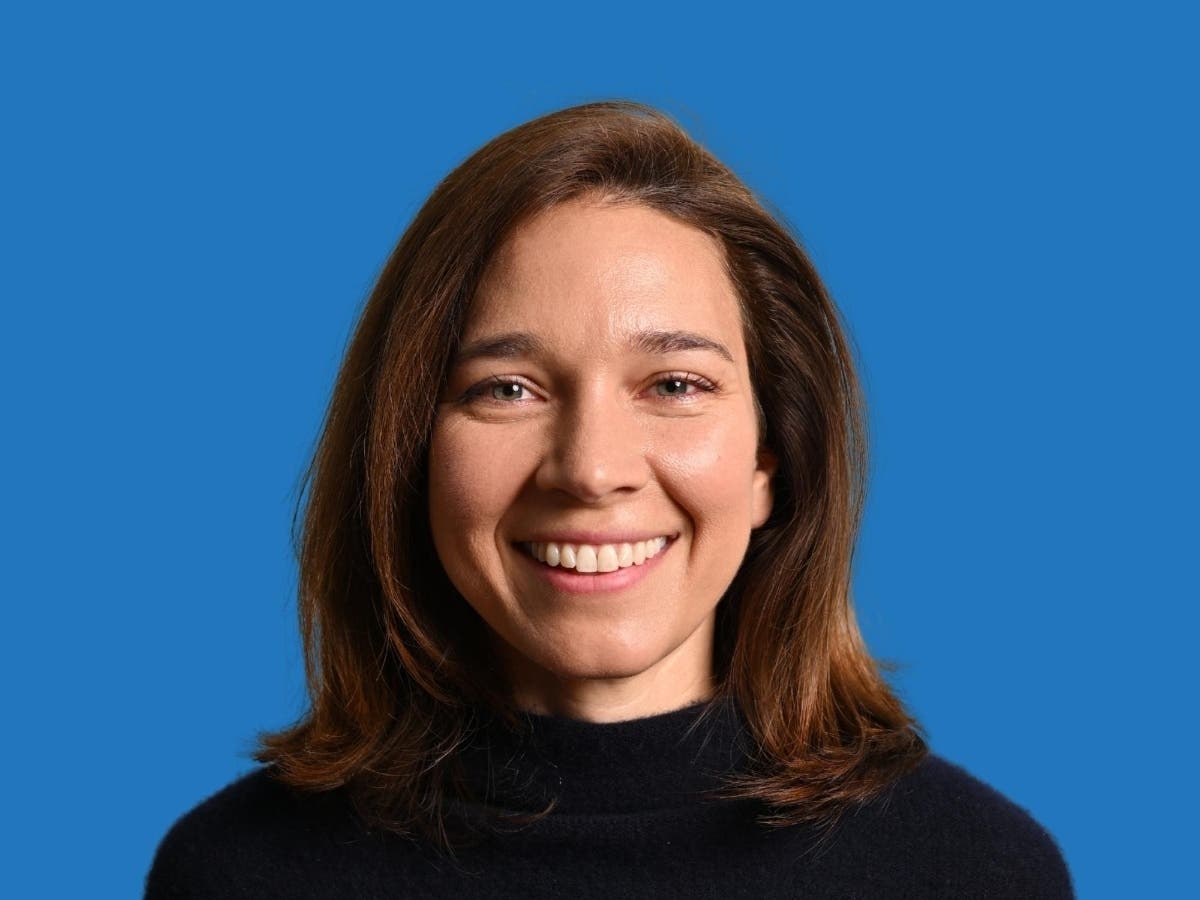
Bridgewater-Raritan School Board Election 2026: Edward Cohen
Edward Cohen shares why he is running for election to the Bridgewater-Raritan Board of Education in 2026.



BRIDGEWATER, NJ — Bridgewater-Raritan Regional's general election on Nov. 3 has six candidates running for two open seats on the Board of Education.
Edward Cohen is running for one of the two, three-year seats. Other candidates include Inderpreet Banga, Eugene Tawiah, James Lutz, Rebecca Hassouna, and Barry R. Walker.
Are you running for office in Bridgewater? Contact Alexis Tarrazi at alexis.tarrazi@patch.com for information on being featured in a candidate's profile and submitting campaign announcements to Bridgewater Patch.
Find out what's happening in Bridgewaterfor free with the latest updates from Patch.
Edward Cohen, Ed.D.
Age: 43
Town of residence: Bridgewater
Find out what's happening in Bridgewaterfor free with the latest updates from Patch.
Position sought: Bridgewater-Raritan Regional Board of Education (three-year term representing Bridgewater)
Family: Bridgewater parent of three children. Two are currently in Bridgewater-Raritan schools, one in preschool. Married to Kara Wade for an amazing 12 years and counting.
Education: Ed.D., Curriculum & Instruction, Rutgers University; M.Ed., Educational Leadership & Administration, Thomas Edison State University; Honors B.S., Elementary Education, University of Delaware. Certified Superintendent (Chief School Administrator), Principal (K–12), and Supervisor (K–12); School Business Administrator certification in progress.
Occupation: Associate Director, Rutgers Center for Mathematics, Science, and Computer Education in the Division of Life Long Learning and Innovation. More than 20 years in New Jersey public education as a classroom teacher, middle-school administrator, K–12 science supervisor, and district STEAM/grant coordinator. Trains thousands of educators nationwide each year; more than $1 million in career external grant funding secured.
Previous or current elected appointed office: Regional Director National Earth Science Teachers Association.
Campaign website: cohenforboe.com
Why are you seeking election for the Bridgewater-Raritan Board of Education?
People moved here for these schools, we did. Recently some families have wondered whether we still stand out. I want no homeowner to have second thoughts.
I look at every board decision through three questions: Is it right for our children? Is it financially sustainable? Can we explain the reasoning clearly to the community? That is not a slogan. It is how I already work: as an educator who has been the classroom teacher, the building administrator, the district supervisor, and the university professional who trains teachers from hundreds of districts. I also live as a parent and taxpayer in this school district.
School boards should not micromanage daily operations. They should set direction, ask hard questions, and spend public money with proof. I am running for every learner, not one program.
Transparency in government is important for the community. Do you feel the BOE is transparent, and how would you increase transparency?
Transparency is one of the three words on my ballot line because families deserve clear information and meaningful input, not explanations after decisions have already been made.
The district already publishes agendas, streams meetings, and produces a newsletter. That is a start, not the standard. I personally have emailed leadership multiple times with a lack of responses. It is frustrating and disappointing. Worse are responses that are generic and just an acknowledgement of receipt of information. When the board considers a major program change or a large investment families and taxpayers should be a part of the discussion. We have a talented and well educated citizen base. They should be included on committees and task forces to help review the goals, the evidence, the alternatives, and the cost BEFORE the vote, not after.
I would push for three practical habits:
- Explain the “why” in plain language when the board acts, especially on curriculum, gifted services, facilities, and budget.
- Distinguish policy problems from implementation and communication problems before writing another rule.
- Treat public comment and parent/teacher input as information the board is accountable for answering, not as a formality to get through.
Life is busier than ever. Parents cannot be expected to be at a three hour meeting in the middle of a work week that is happening at the same time as sports and other school activities. We need to give the community facts and easy to access information. Transparency is more than making information available, however. It means communicating, listening, and being accountable. If we cannot clearly explain and justify a decision to the community, we are not ready to make it.
With rising healthcare costs and inflation, how do you propose keeping tax increases to a minimum?
Healthcare, energy, transportation, and out-of-district tuition are putting real pressure on school budgets. But the answer should not be to starve classrooms or automatically turn to taxpayers for more.
I would focus on finding savings and outside funding first. I have the experience and know-how to get that done.
That means aggressively pursuing state, federal, and foundation grants instead of leaving available money on the table. Bridgewater-Raritan was among the last 10 districts in New Jersey without districtwide full-day kindergarten. We should not have that same mindset when it comes to funding opportunities. I want our district looking ahead, applying early, and competing for every appropriate dollar available. For example, RETROFIT NJ is NJEDA’s multimillion-dollar building-decarbonization grant program that explicitly includes public and other school property, treats schools as institutional applicants with a dedicated funding set-aside and higher reimbursement rate, and awarded 2.5–12.5 million for large, multi-measure energy projects.
It also means scrutinizing vendor and transportation contracts, energy costs, purchasing, staffing patterns, and administrative expenses. I would bring the same discipline to this work that I use in my day job securing and managing grant funding.
For every major expenditure, we should ask: What is the goal? What does it cost? Is it working? And how do we know? Protect programs that deliver results. Fix or replace those that do not. And cutting services that directly benefit students should not be the first solution to a budget problem.
I am completing my School Business Administrator credentials because Board members should understand a school budget at a deeper level, including how money is raised, allocated, restricted, and spent.
Strong classrooms and responsible taxes are not competing goals. Good stewardship is how we protect both.
What other issues do you feel need to be tackled in the BOE?
There are several areas where I believe the Board needs sustained attention, strong oversight, and a willingness to ask difficult questions.
Instruction that students talk about at home. Keep reading and math foundations strong while expanding science, engineering, problem-based learning, and the responsible use of technology and AI. Teachers need the training, time, and tools to make that happen. Curriculum on paper is not the same as curriculum in the classroom.
Challenge every learner. Gifted, twice-exceptional, special education, and multilingual learners all deserve programs that meet their needs. Changes should be based on research, evidence, and student outcomes, not ideology. If a program is not working, review it and improve it. Do not simply eliminate it. And when significant changes are made, students already participating should have reasonable transition plans, including opportunities to finish their cohort when appropriate.
Get full-day kindergarten and grade reconfiguration right. These are among the biggest operational changes our district has undertaken in years. The Board must provide real oversight by tracking implementation, communicating clearly with families, identifying problems early, and measuring whether the changes are producing the promised results for students.
Fix transportation and communication. What families experienced in August and September was unacceptable. Transportation affects whether students get to school safely and on time and whether parents can plan their lives. We need to identify what failed, hold vendors and district systems accountable, and put processes in place so it does not happen again.
Restore calm, nonpartisan governance. Complex school district problems rarely have one-size-fits-all answers. Board members should come prepared to listen, ask thoughtful questions, consider evidence, and work toward solutions.
Listen first. Learn the facts. Then decide. I have the most experience with nationwide k-12 schools, school boards and funding. If elected, I can come on with that understanding in place and have a fresh perspective. I’d hate to elect people without knowledge of how to move the district forward or who stonewall decisions. Imagine: You’re at work. The head of your department is being replaced and they hire someone who has never worked or experienced the field. It causes chaos, disorganization and an inability to make quality decisions.
What is your favorite thing about being a part of Bridgewater-Raritan Schools?
My favorite thing is seeing our schools through our kids’ experiences. It’s hearing them come home talking about a teacher who inspired them, a challenge they worked through, a classmate they helped, or finding yourself cheering on Robotics Team 303 in the middle of the mall.
Those moments remind me why so many families choose Bridgewater-Raritan. The heart of this district has always been the people in our buildings: students who want to learn and be challenged, and the teachers and staff who show up every day to make that possible.
I want that to remain the reason families choose to move here, stay here, and feel proud to call Bridgewater-Raritan home.
Is there anything else you would like to share about yourself or your campaign?
Education has always been part of my life. My mother was a teacher, my mother-in law is a retired teacher and my wife is a nurse educator. I first discovered how rewarding it is to teach as an Eagle Scout, working with younger scouts and seeing that spark when someone suddenly understands something new. That experience eventually led me into the classroom and to earning my doctorate in education.
For me, running for the Board of Education is an extension of that commitment to education and public service, not a sudden interest in school-board politics.
I am an independent-minded candidate who believes decisions should be based on evidence, thoughtful discussion, and what best serves our students and community. I believe parents and community members should be informed. That is why my campaign is built around three words: Experience. Innovation. Transparency.
There are two Board of Education seats on the ballot. If my experience, priorities, and approach reflect what you want from your Board, I would be grateful for one of your two votes.
More at https://cohenforboe.com.
Get more local news delivered straight to your inbox. Sign up for free Patch newsletters and alerts.