Health & Fitness
Recognizing the Importance of Wound Care for Those with Diabetes
Dr. Robert E. Segal, MD, Infectious Disease Specialist, Robert Wood Johnson University Hospital Somerset, provides tips for wound care.

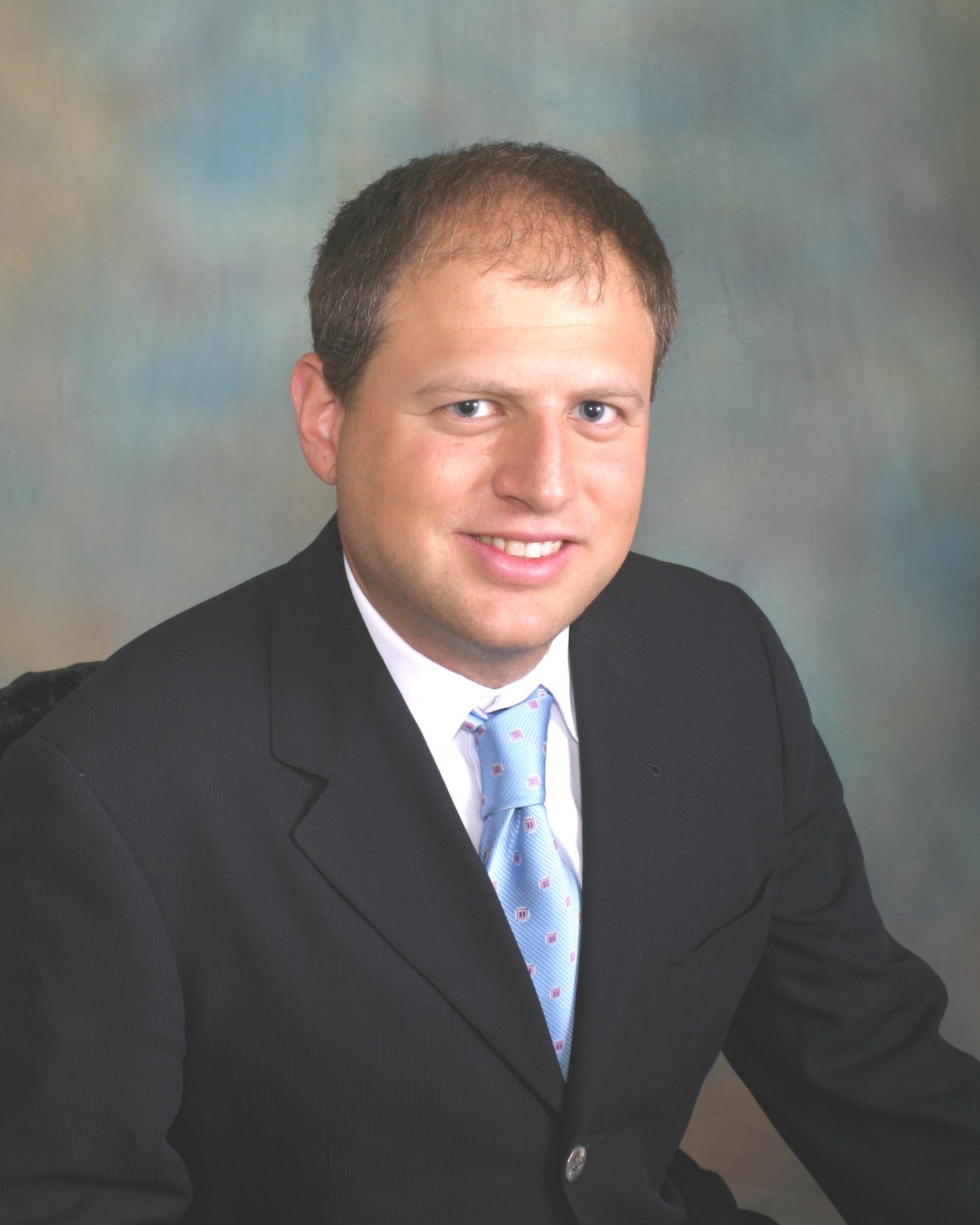
Dr. Robert E. Segal, MD, Infectious Disease Specialist, Robert Wood Johnson University Hospital Somerset
It’s easy to become so busy with work and family life that we can forget to take care of ourselves. For those with diabetes, remembering to take care of your body is of utmost importance.
Prevention and early treatment of sores and wounds is one of the best ways to avoid life-altering infections and amputations for those with diabetes. Nearly 26 million Americans have diabetes and an additional 79 million are at risk of developing Type II diabetes.
Find out what's happening in Bridgewaterfor free with the latest updates from Patch.
Now that national Diabetes Awareness Month has come to a close, preventative measures shouldn’t end as well, especially when pertaining to diabetics and wound care. I’ll highlight a few key prevention methods and local resources to prevent wounds from becoming very serious.
Diabetes can be categorized in one of two stages: Type I and Type II. The condition prevents an individual from maintaining the right level of blood or sugar glucose. Type I and Type II diabetes are differentiated by the body’s ability to produce and use insulin. Insulin is a hormone created in the pancreas that attaches to cells, removes glucose from the blood stream and converts it to energy. Insulin is vital for the body’s metabolism and those who are unable to produce it suffer from Type I diabetes. While Type I diabetes usually appears earlier in life, Type II diabetes, the more common form, typically develops later in life when the body is unable to produce enough insulin or cannot properly use insulin to convert glucose into energy.
Find out what's happening in Bridgewaterfor free with the latest updates from Patch.
Diabetics are at risk for wounds to their lower legs and feet due to a number of factors. Diabetics develop nerve damage, or neuropathy, to their extremities because the blood vessels that supply these nerves are compromised. This leads to decreased sensation in the feet such that a diabetic person may not feel when a sore or cut develops. It is therefore important for a diabetic to frequently check their feet for any skin breakdown, puncture wounds or cuts. If any of the above are found, it is important to seek medical attention as soon as possible as diabetics have a compromised immune system and will not heal a wound as easily as a healthy person.
It is important to remember to regularly check your body for sores and scratches. Wearing comfortable shoes and checking your body for wounds during your nightly routine could prevent wounds from developing into serious infections. Diabetics are at higher risk for amputation if wounds are not treated properly, making every wound a serious condition and one that requires immediate medical attention. If a wound or sore appears severe or seems to worsen, it is important that you seek medical attention immediately.
The Center for Wound Healing is now open at Robert Wood Johnson University Hospital’s Somerset campus, accompanying the pre-existing Center at the New Brunswick location. Both Centers treat patients with chronic, non-healing wounds. At both locations, specialists utilize hyperbaric oxygen therapy (HBO), which increases the level of oxygen within tissue and improves the healing efficiency of white blood cells. HBO is particularly beneficial for diabetic individuals with non-healing ulcers.
The Center for Wound Healing at Robert Wood Johnson University Hospital Somerset is located at 110 Rehill Avenue in Somerville, N.J. and is open Monday through Friday, 8 a.m. to 5 p.m. The Center for Wound Healing at Robert Wood Johnson University Hospital New Brunswick is located at 48 French Street in New Brunswick, N.J. It is open Monday through Friday, 8 a.m. - 4:30 p.m. Evening hours are coming soon. If you or a loved one is interested in learning more about the state-of-the-art, advanced treatment options available, please visit www.rwjuh.edu/woundcare. To schedule an appointment at the Somerville location, call (908) 203-6200 or to schedule an appointment at the New Brunswick location, call (732) 418-8084.