Crime & Safety
Return to Sender: Texting on Rise Among Drivers
While speaking on hand-held devices decline, messages on the roadways increase.
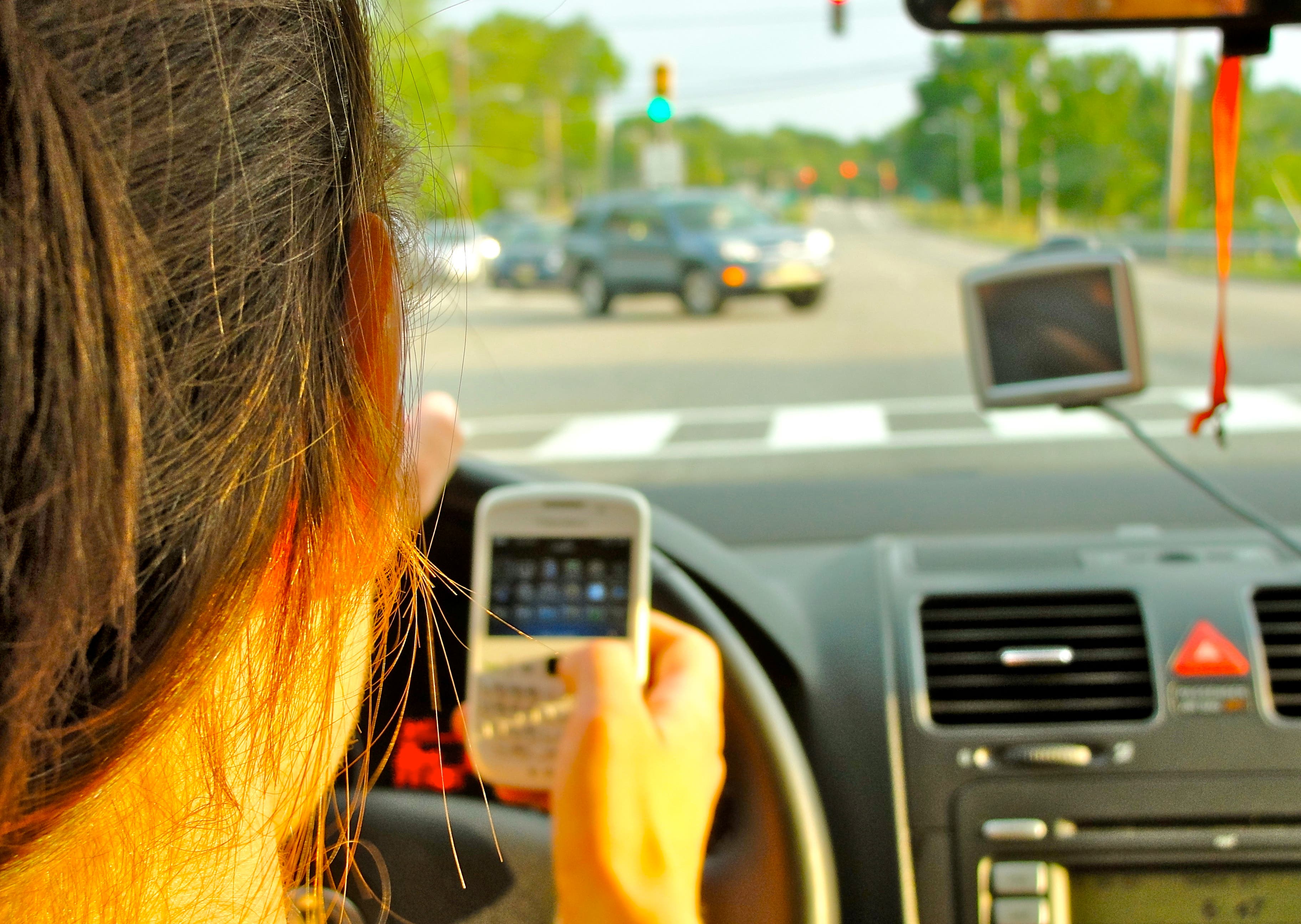
While state drivers said they speak less on their hand-held devices while behind the wheel, they admitted more text messages are being sent and received on the roadways than ever before.
According to a recent study conducted by Fairleigh Dickinson University's PublicMind Poll that surveyed 953 New Jersey residents over the age of 17, 25 percent—up from 21 percent in 2009 and 15 percent in 2008—admitted to either sending or receiving text messages while driving over the past three years.
Pam Fischer, the director of New Jersey's Division of Highway Traffic Safety, which co-sponsored the survey, believes that texting behind the wheel "is more dangerous than driving drunk."
Find out what's happening in Caldwellsfor free with the latest updates from Patch.
The trend is affecting people of all ages and various levels of driving experience.
"Someone doesn't realize a car is coming, looks down to text, and the next thing they know, they're in the hospital," said Alexa Martin, who will be a senior at West Essex Regional High School. "People don't realize how easily this can happen."
Find out what's happening in Caldwellsfor free with the latest updates from Patch.
While 56 percent of those who admitted to either sending or receiving text messages while driving were between the ages of 17 and 30, 37 percent of those who admitted to the activity were between the ages of 30 and 44. It's a 9 percent increase from 2009 and a 17 percent spike from 2008 for this age group.
"I think it is extremely dangerous," North Caldwell parent Jill McClain said. "No one should text while they drive."
Dan Cassino, director of experimental research for the PublicMind Poll and a professor of political science at Fairleigh Dickinson University, believes the increase in adults over the age of 30 is attributed to texting becoming more common to all age groups.
"As more people get used to texting, more are going to do it while driving, so these numbers are probably going to keep going up for some time," Cassino said in a statement explaining the poll results.
Many teens have been educated on the dangers of texting while behind the wheel. At West Essex, 2010 graduates helped raise awareness of the school's Students Against Destructive Decisions (SADD) program.
"When distracted while driving, you jeopardize your life as well as someone else's," said West Essex recent grad Gina Baretti, who was a member of the SADD program.
SADD, established at West Essex several years ago, was started as a way to educate students about the dangers of multi-tasking while driving, along with a variety of other issues teens commonly face.
Throughout the school year, the club promoted a campaign called "Don't tempt F8 [fate], that text can w8 [wait]," and encouraged students to sign pledges against texting while driving.
"[SADD] was much more than an after-school activity, it was a bunch of students trying to get important messages out to teens within the school with a positive direction," said West Essex recent grad Caroline Spry, who was a member of the group.
Young drivers are also the most likely to speed while texting and driving, a combination that can be deadly, Cassino said.
The poll indicated that 35 percent of drivers under the age of 30 admitted to speeding on highways "most of the time," compared to 26 percent of all drivers. In addition, 31 percent of those drivers admitted they regularly exceed 70 miles per hour on the highway.
"Any driver going 75 miles per hour on the interstate while texting is a scary thing," Cassino said in a statement.
While texting and driving has been on the rise, talking on cell phones while driving has declined, according to Fairleigh Dickinson's poll.
"Lately, I have seen fewer adults talking on the phone while driving, and I think it's probably partially because more people are learning how to text," said John Boutillier, who will be a senior at West Essex.
Only 12 percent of New Jersey drivers who were polled said they speak on hand-held devices either "very often" or "sometimes" while behind the wheel, down from 18 percent in 2009 and 26 percent in 2008.
In addition, only 13 percent of those under the age of 30 admitted to frequently speaking on a hand-held device while driving, down from 33 percent last year.
West Caldwell Police Chief Michael Bramhall said since texting and speaking on a hand-held device while driving are both categorized as cell-phone violations, it's difficult to determine the exact amount of summonses for either of the infractions.
Since texting is considered such a quick form of communication, some don't realize the risks involved, Baretti said.
"[Texting while driving] is such a big issue because people think they can handle it," she said. "When in reality, it is physically impossible."