Politics & Government
Should BOE Control Teacher Contract Terms?
Governor proposes reverting back to 'last offer/best offer' system in negotiations.

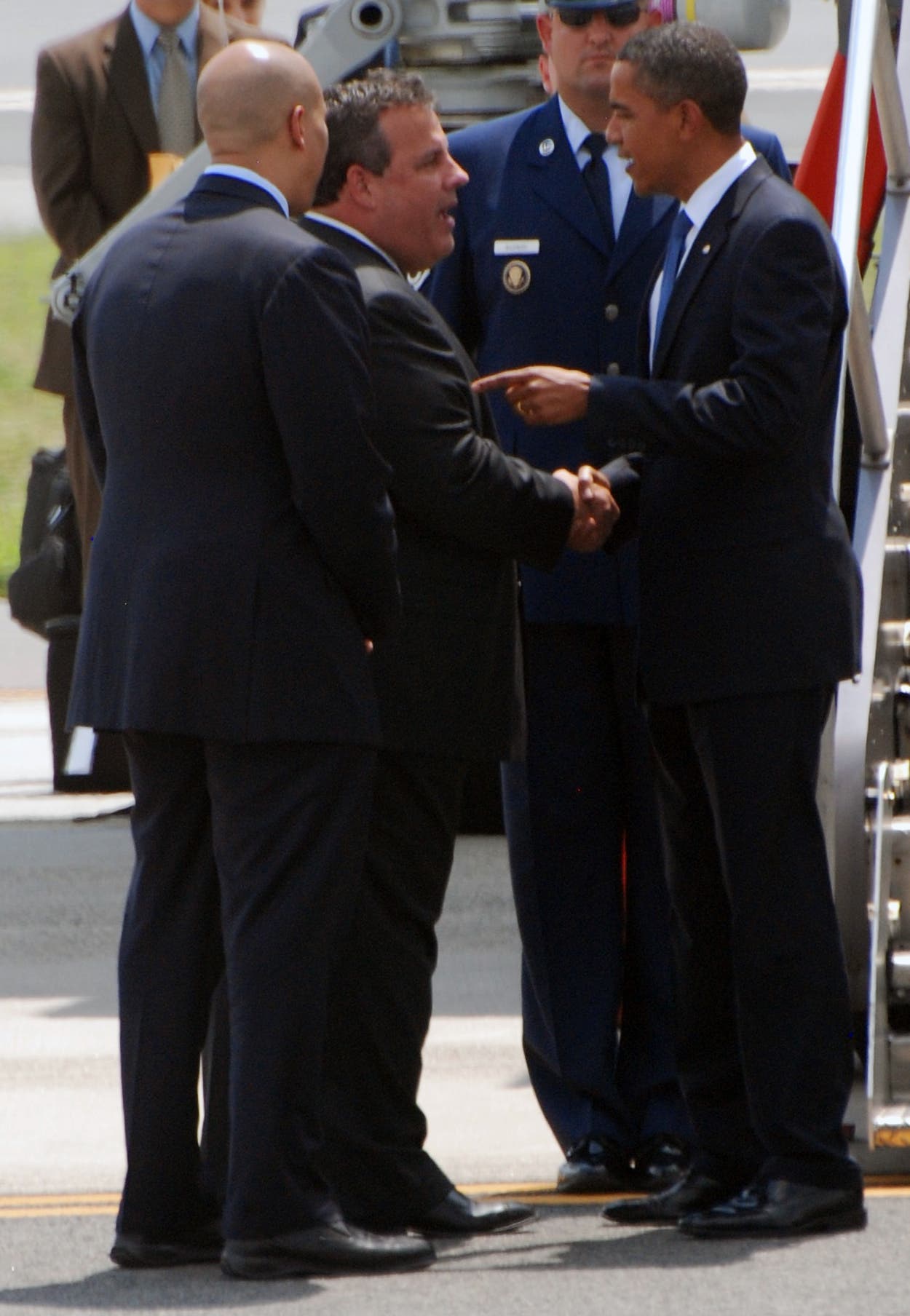

A proposal from Gov. Chris Christie to overhaul teacher contract negotiations has gained support from management while further angering the state teachers union.
As part of his proposed toolkit to reduce property taxes statewide, Christie is calling for the move back to allowing "last offer/best offer" in negotiations.
The system would allow Boards of Education to unilaterally impose a contract on a local union in the event negotiations break down. The system was allowed in New Jersey until banned by law in 2003.
Find out what's happening in Caldwellsfor free with the latest updates from Patch.
Frank Belluscio, a spokesman for the New Jersey School Boards Association, said the proposal would provide assistance to school boards by allowing them to impose final offers when negotiations drag on. Current policy allows boards and teachers unions to go to a binding arbitration, which Christie and municipal leaders have said resulted in larger compensation awards to unions.
The last offer/best offer proposal is part of the arbitration reform component of the toolkit, which is being decided by the legislature this summer as part of Christie's effort to control property taxes.
Find out what's happening in Caldwellsfor free with the latest updates from Patch.
The proposal is separate from the arbitration component, which would allow for changes in how arbitration is handled and require settlements to fall in line with the recently passed 2-percent hard cap on property tax increases.
Michael Drewniak, Christie's press secretary, declined to comment on the specifics of the last offer/best offer proposal, saying the bill is still being written.
The proposal has gained strong opposition from the New Jersey Education Association. A union spokesman said it would hurt the idea of collective bargaining between labor and management. The union and Christie have been locked in a war of words for months over state education aid and salary issues.
"That is a bad idea," NJEA spokesman Steve Baker said. "It eliminates the concept of collective bargaining when one party can stall the process and then impose its will. That's not collective bargaining."
Baker said data used by the NJEA reveals that the last offer/best offer resulted in higher salaries as well, something Belluscio disputes, noting the compensation has grown larger than the Consumer Price Index since the elimination of last offer/best offer in 2003.
The West Essex Regional School District, whose employees all agreed to a one-year salary freeze, forged agreements in just about a month with three of its four labor unions that will save administrators, secretaries and custodians from contributing to the cost of health care benefits for at least the next three years.
While a long-term agreement could not be reached with the West Essex Education Association, the district forged new three-year deals with the administrators and secretaries associations that call for a 0 percent salary increase next year followed by a 1.3 percent raise in the second and third years of the agreement.
In addition, the district reached a four-year contract with the Custodian/Maintenance Association that calls for a 0 percent increase next year and a 3 percent raise each of the following three years of the deal.
Baker said since the last offer/best offer has been implemented, there have been no teacher strikes, a notion that is illegal in New Jersey. Belluscio said the NJSBA would like to strengthen the strike law in the state with the implementation of New York's Taylor Law in New Jersey.
The Taylor Law, signed by former New York Gov. Nelson Rockefeller in the late 1960s, prohibits public employees from striking.
The law subjects public employees or public employee unions that engage in strikes with large fines. The law was last enforced in 2005 during the New York City subway strike when the Transit Workers Union faced fines of $1 million a day.
Belluscio said the NJSBA wants the law strengthened since the current rules are based on court orders that are not as strong as the New York law.
"It would give the boards more power at the negotiating table and prevent using job actions to influence negotiations," he said.
Baker said the NJEA opposes the idea of the Taylor Law coming to New Jersey, saying it would have a long-term negative impact on public employees.
"They would like to have a situation where they will prevent strikes and have the public employees have no say in their salaries," he said of the NJSBA proposal.
It is not clear if Christie or the legislature is planning to consider the NJSBA proposal.
Derek Roseman, a spokesman for the Senate Democrats, said the caucus has no opinion on the last offer/best offer proposal or the Taylor Law proposal since the legislature has not been written. He said the caucus is waiting for a final proposal to come from the governor's office.
Assemblyman Jon Bramnick (R-Westfield), the second-ranking Republican in the Assembly, said he needs to review a specific proposal on last offer/best offer, but he wants the arbitration aspect addressed as part of the toolkit. He said he agrees with Christie that the current situation does not help property tax relief.
Get more local news delivered straight to your inbox. Sign up for free Patch newsletters and alerts.