Crime & Safety
Township Police: Local Deer May Have EHD Virus
The virus cannot be transmitted to humans and is relatively benign in livestock.


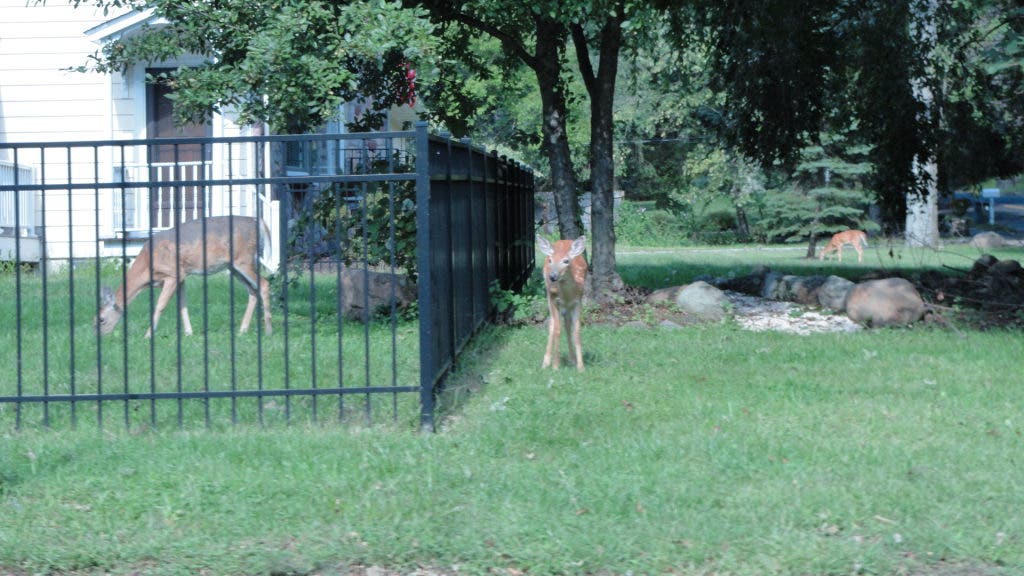

Chatham Township Police said wildlife biologists believe the local white-tailed deer population may be affected by Epizootic Hemorrhagic Disease (EHD), a virus transmitted by midge flies.
According to police, infected deer lose their fear of people and salivate excessively. They lose their appetites and may become fever-ridden, Within eight to 36 hours of the onset of observable symptoms, the deer pass into a shock-like state, become prostrate and die. Death typically occurs within five to 10 days of infection.
The virus cannot be transmitted to people or to pets through the midge fly's bites
Find out what's happening in Chathamfor free with the latest updates from Patch.
The dying or dead deer are often found close to water sources as they try to drink due to internal hemorrhaging that is caused by the disease or their feverish condition, according to police and state reports.
A spokesman for the state Department of Environmental Protection, Larry Ragonese, on Thursday morning said that state field inspectors have tested deer in nearby Harding Township, in Morris County, and in the Great Swamp area, and they have tested positive for the disease. However, he said the state had no reports from Bernards Township specificially as of that time.
Find out what's happening in Chathamfor free with the latest updates from Patch.
Removal of deer that die on private property are the responsibility of the property owner, including the cost of the deer removal, he said. Deer carcasses at the curb line should be reported to the local police department, who will arrange for the county to remove the bodies. Chatham Borough Police may be contacted at 973-635-8000; Chatham Township Police may be reached at 973-377-0100.
Residents also can file a direct report of sighted deer exhibiting signs of EHD, such as difficulty standing, drooling, emitting foam from the mouth or nose, or dead deer with no apparent wounds, observed in or near water, to the Division's Office of Fish and Wildlife Health Forensics by calling Bill Stansley at 908-236-2118 or Carole Stanko at 908-735-7040.
Get more local news delivered straight to your inbox. Sign up for free Patch newsletters and alerts.