Schools
What Does a National Report on Child Well-Being Mean for Chatham?
Morris County's children have the best well-being, according to Kids Count, an annual report published by the Annie E. Casey Foundation.

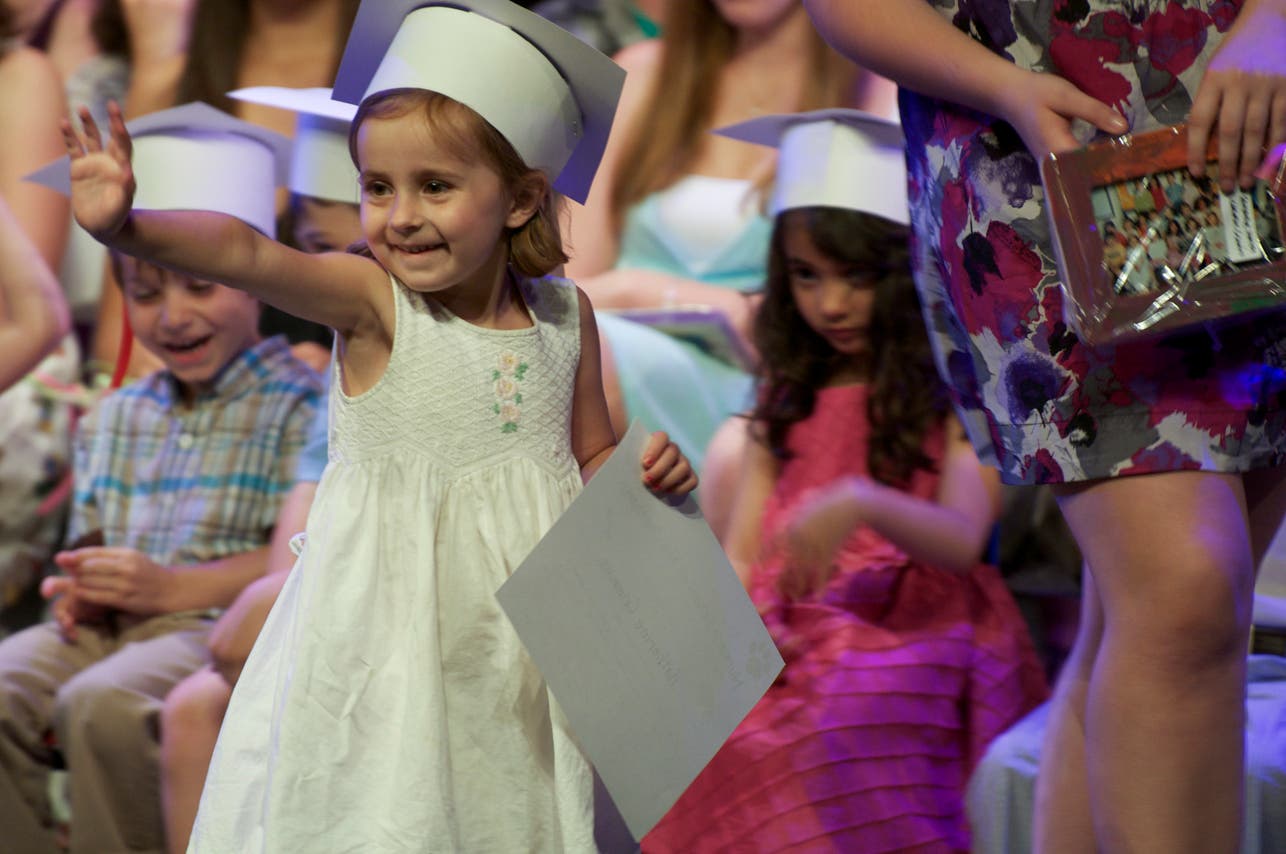
A newly released report has named Morris County tops in New Jersey in terms of the well-being of its children. And Chatham-area officials say kids in their communities don't need much extraordinary assistance from schools or social services—but support is available for those who need it.
Kids Count, a compilation of statistics that concern the status of child well-being, is put together annually by the Annie E. Casey Foundation. It looks at several factors to determine its rankings. Nationally, it looks at the percentage of children in poverty, the percentage of children passing grade-level tests and infant mortality, among other indicators.
The Association for Children of New Jersey (ACNJ), which is funded by the Annie E. Casey Foundation, puts together county-specific Kids Count reports throughout the state. In interviews, Chatham school and social services officials discussed how the municipality's residents fit into the report.
Find out what's happening in Chathamfor free with the latest updates from Patch.
Morris County's children have the greatest well-being in the state, according to the ACNJ report.
"Morris County moved into the first-place position this year," ACNJ Executive Director Cecelia Zalkind said in a news release. "This reflects drops in both the juvenile arrest rate and households spending too much money on rent. But the county did lose ground in some areas, including a slight decrease in the percent of fourth graders passing statewide tests."
Find out what's happening in Chathamfor free with the latest updates from Patch.
The county also has a low infant mortality rate and still has a very high rate of fourth-graders passing tests, even though that rate did go down. But it received its lowest ranks in the percent of three- and four-year-old children enrolled in state-approved preschool, ranking 19th, and in the percentage of eligible children receiving free or reduced price breakfast. The county ranked 18th on that measure.
School District of the Chathams Superintendent Jim O'Neill said there are not very many children in the district that are eligible to receive the breakfasts.
He estimated that out of about 4,000 children in the district, there are about 30 that qualify.
"It's easy for us to provide it," O'Neill said.
Because the district does not have many children that qualify, it does not receive federal money that would help it provide the breakfasts.
The school district has a preschool program for children with disabilities. Last year, O'Neill estimated there were about 40 enrolled in that program.
O'Neill said in general, statistics show preschool enables children to be more ready to learn when they enter grade school. In Chatham, he said, most children are prepared for their studies when they enter the district.
"It seems pretty obvious that most of our children come to school ready to learn their colors, their letters, their numbers," O'Neill said. "There are relatively few children that don't come to us ready to deal with kindergarten or even first grade, but that's because parents have been reading to them since they were very young."
The county has a low percentage of unemployed people—it ranks second in the state in that category—and ranks third in median income of families with children.
Many towns throughout New Jersey no longer have their very own welfare director. Chatham Township, for example, will likely soon look to start using Morris County for welfare services.
But Chatham Borough still has its own welfare director. Lauren Glassman has administered public assistance for single adults in Chatham since November and has been doing the same in Livingston for 18 years.
Her work does not directly have to do with families, since she focuses on single adults. But she said that in general, there are not many people in Chatham on welfare.
"The number of families I've seen—it's small," she said. "There's no question about that."
She said needy people often do not come to their government for assistance right away.
"I think, sometimes, it's a while before people find that route as a place to go," she said.
Glassman has dealt with some families with children in the borough but said in general they are not eligible for assistance from welfare.
New Jersey is the seventh-best state nationwide in terms of child well-being, according to the Kids County report. New Hampshire received the top ranking, while Mississippi rated 50th.
The Garden State ranked fourth nationally in the percentage of teens who were not enrolled in school and were not high school graduates. The state also ranked fifth in the infant mortality and teen birth rates, sixth in the child death rate, seventh in the teen death rate, ninth in the percentage of children in single parent families and 10th in both the share of children living without secure parental employment and the child poverty rate.
Statistics nationally indicate overall improvements in child well-being that began in the late 1990s stalled in the years just before the current economic downturn.
"We won't be able to assess the full impact of the economic downturn on children and families for a number of years," Laura Beavers, national Kids Count coordinator at the Annie E. Casey Foundation, said in a news release. "The economic data that the Census Bureau will release later this year will give a better picture of family economic well-being in the recession. However, even data from 2008 that was collected before the recession took hold shows economic conditions were worsening for kids."
Clarification: The Association for Children of New Jersey publishes the state and county version of the Kids County report. The Annie E. Casey Foundation publishes the national numbers.
Get more local news delivered straight to your inbox. Sign up for free Patch newsletters and alerts.